
Hypotension in women may be caused by genetic, environmental, physiological, traumatic, or pathological factors, and corresponding measures should be taken according to the specific reasons.
1. Genetic factors
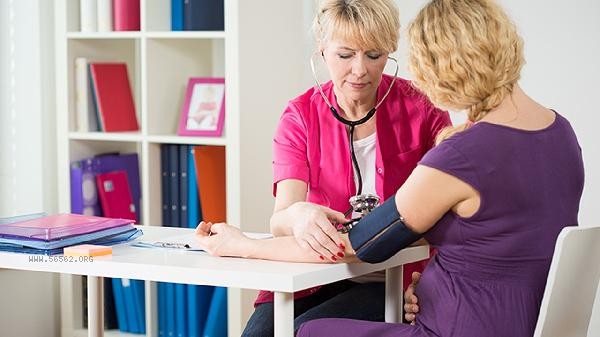
Some women's hypotension is related to family inheritance. If there is a history of hypotension in the family, the individual's risk of disease may increase. This type of situation usually does not require special treatment, but attention should be paid to daily monitoring of blood pressure and avoiding drastic changes in posture.
2. Environmental factors
Long term exposure to high temperature, high humidity, or malnutrition may lead to low blood pressure. During high temperatures in summer, women are prone to dehydration, which can lead to a decrease in blood pressure. It is recommended to maintain sufficient water intake and avoid prolonged exposure to high temperatures.
3. Physiological Factors
During special physiological stages such as menstruation, pregnancy, or menopause, hormonal fluctuations in women may lead to a decrease in blood pressure. For example, an increase in blood volume during pregnancy may dilute the blood, leading to a decrease in blood pressure. This type of situation usually does not require treatment, but attention should be paid to rest and nutritional supplementation.
4. Trauma
Severe trauma or blood loss may lead to acute hypotension and immediate medical attention is required. Hemorrhagic shock is a severe manifestation of hypotension that requires blood transfusion or fluid replacement therapy to restore blood pressure levels.
5. Pathological reasons
Certain diseases such as hypothyroidism, heart disease, or adrenal insufficiency may lead to chronic hypotension. Hypothyroidism needs to be treated by taking levothyroxine sodium tablets; Patients with heart disease should use beta blockers or diuretics according to their condition; Adrenal insufficiency requires supplementation of glucocorticoids. For mild hypotension, it can be improved through diet and exercise. In terms of diet, increasing salt intake, drinking plenty of water, and moderate consumption of coffee or tea can help raise blood pressure. In terms of exercise, moderate aerobic exercise such as brisk walking, swimming, or yoga can enhance cardiovascular function. Women with hypotension should take corresponding measures according to the specific causes. Mild cases can be improved through lifestyle adjustments, while severe or persistent hypotension should be promptly treated with medical attention to identify the cause and receive targeted treatment.









Comments (0)
Leave a Comment
No comments yet
Be the first to share your thoughts!