
The general examination for employment includes physical examination, blood routine, urine routine, liver function, electrocardiogram and other items. The specific examination contents may vary slightly due to the requirements of the employer.

Physical examination includes measuring height, weight, blood pressure, examining the functional status of organs such as the heart, lungs, liver, and spleen, and observing for any obvious surface abnormalities. The doctor will inquire in detail about the patient's medical history, allergy history, and assess their nutritional and developmental status. Physical examination can preliminarily screen for obvious diseases such as myasthenia gravis and thyroid enlargement.
Blood routine mainly detects indicators such as white blood cells, red blood cells, platelet count, hemoglobin concentration, etc., which can detect potential conditions such as anemia and infection. Urine routine examination can reflect urinary system function and metabolic abnormalities by detecting urine color, turbidity, acidity, and other components such as urine protein, urine sugar, and urobilinogen.

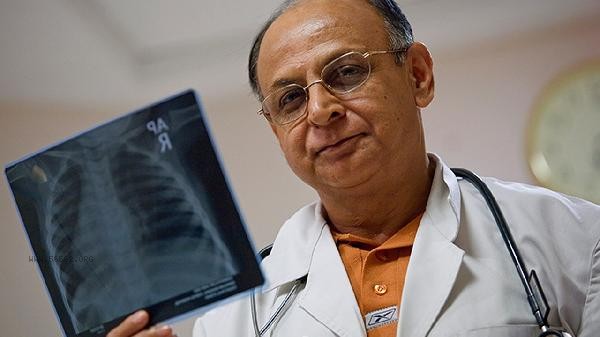
Liver function test evaluates liver synthesis, metabolism, and detoxification function by measuring serum transaminase, bilirubin, protein, and other indicators. Electrocardiogram examination of cardiac electrical activity can preliminarily determine cardiovascular diseases such as arrhythmia and myocardial ischemia. Some employers may increase chest X-ray and B-ultrasound examinations, and employees in the catering industry usually need to undergo fecal examinations and infectious disease screening.
One day before the physical examination for employment, one should avoid vigorous exercise and alcohol consumption, and maintain a light diet; On the morning of the physical examination, fasting for 8-10 hours is required, and loose clothing should be worn to facilitate the examination; Women should avoid undergoing urine tests during their menstrual cycle; Arrive on time with identification documents. After examination, follow the doctor's advice to handle abnormal indicators, regularly review and monitor health status, and develop reasonable diet and regular sleep habits.








Comments (0)
Leave a Comment
No comments yet
Be the first to share your thoughts!