
The routine physical examination items for children mainly include height and weight measurement, vision and hearing screening, blood routine examination, urine routine examination, bone age assessment, etc. Physical examinations can help detect early growth and development abnormalities, nutritional deficiencies, or potential diseases. It is recommended that parents regularly take their children for health check ups.

1. Height and weight measurement
Evaluating children's physical development through growth curve graphs can reveal tendencies towards growth retardation or obesity. When measuring, it is necessary to take off shoes and stand on a dedicated height and weight scale. It is recommended to monitor every 3-6 months. If two consecutive measurements are 10 percentage points lower than the standard value for children of the same age and gender, it is necessary to investigate endocrine disorders or chronic wasting diseases.
2. Visual and auditory screening
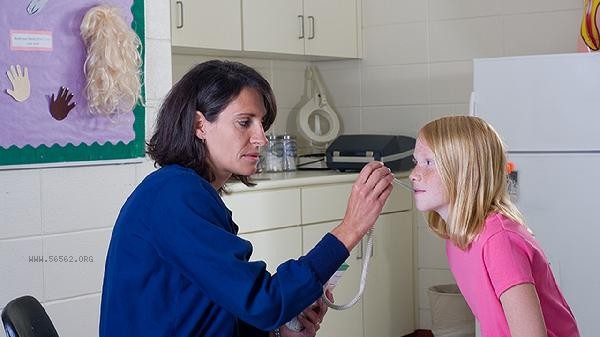
Use a visual acuity chart or handheld screening device to detect refractive errors, and an otoacoustic emission device to screen for hearing impairment. Preschool children have a higher probability of myopia, and the best intervention time for amblyopia is 3-6 years old. Individuals with screening abnormalities need to be referred to ophthalmology for dilated pupil optometry, and otolaryngology for further examinations such as pure tone audiometry.
3. Blood routine examination
includes indicators such as hemoglobin and red blood cell count, which can diagnose conditions such as anemia and infection. Parents need to calm their children's emotions during fingertip blood sampling testing. A hemoglobin level below 110g/L indicates anemia, which may be caused by iron deficiency, thalassemia, etc. It is necessary to combine serum ferritin and other tests to determine the cause.
4. Urine routine examination
detects indicators such as urine protein and urine sugar through test strips, with the most accurate results obtained in the mid morning urine test. Persistent proteinuria requires vigilance against nephritis or nephrotic syndrome, and positive urine glucose requires screening for diabetes. Parents should guide their children to clean their external genitalia before collecting specimens to avoid contamination that may affect the results.
5. Bone age assessment
Take X-rays of the left wrist to determine bone maturity based on the degree of ossification center development. If the bone age is more than 2 years earlier than the actual age, it is necessary to check for precocious puberty, and if it is more than 2 years later, it may indicate growth hormone deficiency. During the examination, it is necessary to protect the thyroid gland and other parts of children to reduce radiation exposure.
In addition to routine items, special examinations such as hepatitis B antibody detection, trace element determination and electrocardiogram can be added according to individual conditions. Before the physical examination, it is necessary to ensure that the child has sufficient sleep, avoid vigorous exercise, and wear loose clothing for easy examination. Parents should properly keep the physical examination report, establish a continuous health record, and promptly re-examine or seek specialized medical treatment if any abnormal indicators are found. Pay attention to a balanced diet in daily life, ensure one hour of outdoor activity every day, and control the use of electronic products, which helps children develop comprehensively and healthily.








Comments (0)
Leave a Comment
No comments yet
Be the first to share your thoughts!