
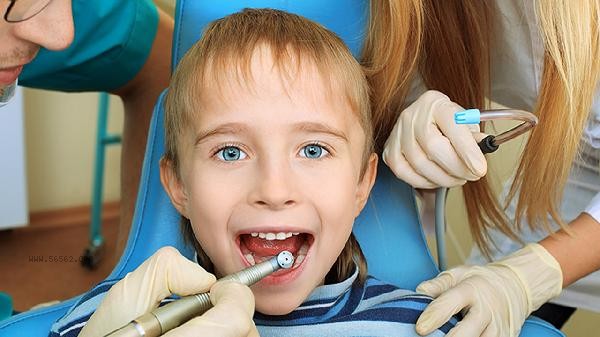
The main physical examination items for babies include newborn screening, physical development assessment, neuropsychological development assessment, hearing and vision screening, blood tests, etc. These projects help to detect growth and development abnormalities or potential diseases early on, and it is recommended that parents take their babies for regular physical examinations.
1. Newborn screening
Newborn screening is usually conducted within 48-72 hours after birth, mainly detecting genetic metabolic diseases such as phenylketonuria, congenital hypothyroidism, and glucose-6-phosphate dehydrogenase deficiency. These diseases have no obvious symptoms in the early stages, but may affect the intellectual development and physical health of babies. The screening uses heel blood testing, which is simple and safe to operate.
2. Physical Development Assessment
Physical development assessment includes measuring indicators such as height, weight, and head circumference to evaluate whether the baby's growth curve is normal. Doctors will compare these data with standard values for children of the same age to determine whether there are issues such as malnutrition, obesity, or growth retardation. Regular monitoring can promptly detect improper feeding or potential endocrine disorders.
3. Neuropsychological Development
The evaluation of neuropsychological development mainly examines the baby's abilities in gross motor skills, fine motor skills, language, social skills, and other aspects. Evaluate the development of the baby's nervous system by observing their movements such as lifting their head, turning over, and grasping. Early detection of developmental delay can be intervened in a timely manner to promote the healthy growth of the baby.
4. Hearing and Vision Screening
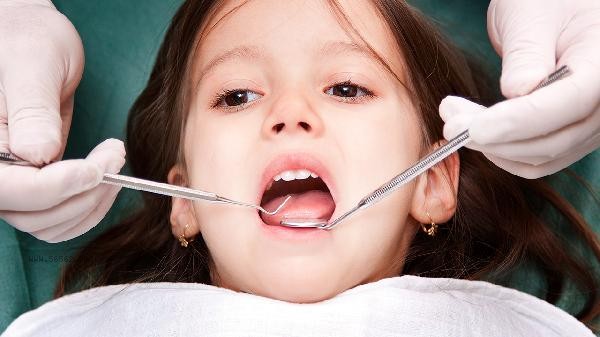
Hearing screening uses otoacoustic emission or automatic auditory brainstem response testing to detect congenital deafness early. Vision screening mainly observes the baby's ability to catch up with vision and excludes problems such as congenital cataracts and retinal lesions. These sensory functions are crucial for language and cognitive development.
5. Blood tests
Blood tests include blood routine, trace element testing, etc., which can detect nutritional problems such as anemia, iron deficiency, zinc deficiency, etc. Babies around 6 months old are prone to physiological anemia, and timely supplementation of iron can prevent anemia from affecting development. Blood lead testing is particularly important for babies living in highly polluted areas.

It is recommended that parents take their babies for physical examinations according to the time nodes specified in the Children's Health Handbook. It is recommended to have a physical examination once a month for children under 1 year old and once every 3-6 months for children aged 1-3. Prepare baby growth records and feeding information before the physical examination, and wear loose and easy to put on/take off clothing. Following medical advice to adjust feeding methods or make necessary interventions after physical examination, regular physical examinations are important means to ensure the healthy growth of babies.








Comments (0)
Leave a Comment
No comments yet
Be the first to share your thoughts!