
Traditional Chinese medicine mainly treats rhinitis by taking Chinese medicine orally, acupuncture and moxibustion, acupoint application, massage, moxibustion and other methods. Rhinitis may be related to external factors such as wind cold, deficiency of lung and spleen qi, and damp heat in the liver and gallbladder. It usually manifests as symptoms such as nasal congestion, runny nose, and sneezing.
1. Oral administration of traditional Chinese medicine
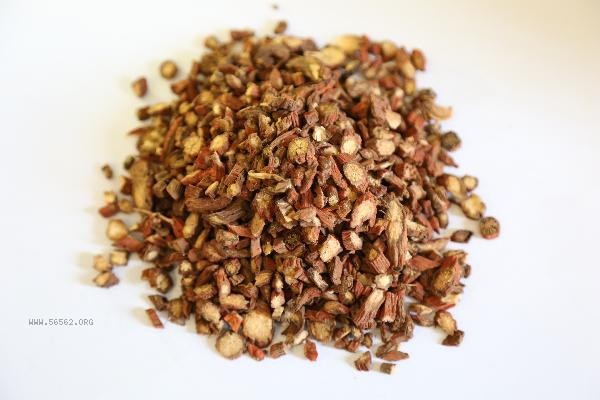
Oral administration of traditional Chinese medicine is a commonly used method for treating rhinitis in traditional Chinese medicine, and different prescriptions can be selected based on syndrome differentiation. The type of lung spleen qi deficiency can be treated with modified Yupingfeng Powder, which includes medications such as Huangqi, Atractylodes macrocephala, and Fangfeng; The liver and gallbladder damp heat type can be treated with Longdan Xiegan Tang, which contains ingredients such as gentian grass, Scutellaria baicalensis, and Gardenia jasminoides; Wind cold rhinitis is commonly treated with Xinyi Qingfei Drink, which contains medicinal herbs such as Xinyi, Cang'er Zi, and Bai Zhi. Traditional Chinese medicine decoctions need to be adjusted by Chinese medicine practitioners according to individual conditions in terms of compatibility and dosage. Generally, one dose is taken twice a day at warm intervals and continuously taken for a period of time to take effect.
2. acupuncture and moxibustion therapy
acupuncture and moxibustion can improve the symptoms of rhinitis by stimulating specific points to regulate the movement of qi and blood in the meridians. Common acupoints include Yingxiang, Yintang, Hegu, etc. Yingxiang is located on both sides of the nose and can directly relieve nasal congestion; The Yintang acupoint is located between the eyebrows and can alleviate headache symptoms; Hegu acupoint is located between the first and second metacarpal bones on the back of the hand and has a holistic regulatory effect. Acupuncture and moxibustion treatment is usually carried out several times a week, and the needle retention time is about half an hour each time. It requires continuous treatment for a period of time to obtain a stable effect.
3. Acupoint application
Acupoint application is a method of applying medication to specific acupoints and exerting therapeutic effects through skin absorption. The commonly used drugs for treating rhinitis, such as mustard seed, Xixin, and Gansui, are applied to the Dazhui acupoint, Feishu acupoint, and other areas. The Dazhui acupoint is located below the spinous process of the seventh cervical vertebra, and the Feishu acupoint is located two fingers away from the spinous process of the third thoracic vertebra. The medication application time is generally controlled within a few hours, and those with sensitive skin need to shorten the application time to avoid skin allergic reactions.
4. Tuina Massage
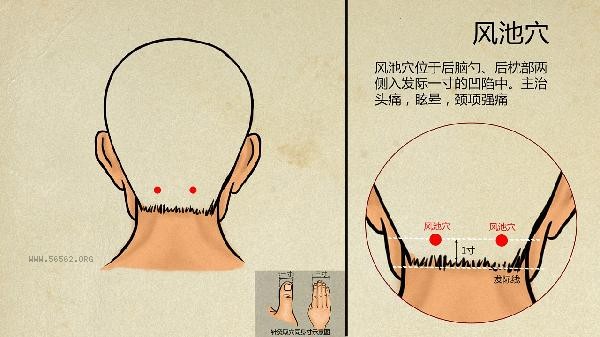
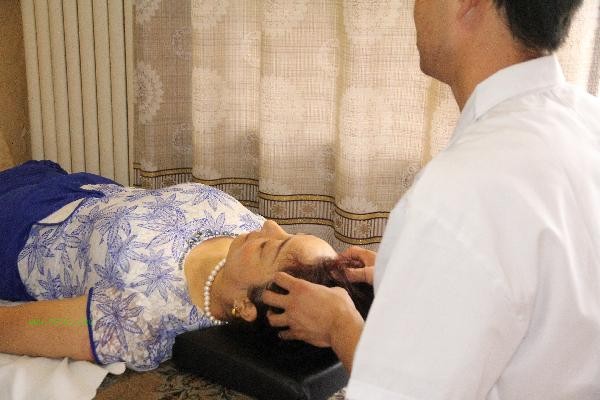
Tuina massage relieves symptoms of rhinitis by stimulating the meridians and acupoints on the head and face through manual techniques. Common techniques include kneading the Yingxiang acupoint, pushing and wiping the nose bridge, and tapping the Fengchi acupoint. Massage the Yingxiang acupoint with your index finger and fingertips in a clockwise direction; Nose bridge rubbing can be repeatedly pushed and rubbed with the thumb from the base of the nose towards the tip of the nose; Fengchi acupoint is located in the depression on both sides of the occipital bone, and pressing it can relieve headaches. You can massage yourself several times a day, lasting for a few minutes each time, with gentle and even techniques.
5. Moxibustion therapy
Moxibustion uses the warm stimulation of acupoints generated by the burning of moxa sticks to treat rhinitis. Common acupoints include Dazhui acupoint, Feiyu acupoint, Zusanli acupoint, etc. Moxibustion at Dazhui acupoint can enhance yang qi; Moxibustion at Feishu acupoint can warm the lungs and dispel coldness; Zusanli is located on the outer side of the tibia below the knee, and moxibustion can invigorate the spleen and qi. When moxibustion, it is necessary to maintain an appropriate distance from the skin, with a warm and non scalding degree. Each acupoint should be moxibustion for a few minutes, and care should be taken to avoid burning the skin. This method should be used with caution for those with a constitution that is too hot.
Traditional Chinese medicine treatment for rhinitis should choose appropriate methods or use multiple methods in combination according to individual conditions. During the treatment period, attention should be paid to avoiding wind and cold, avoiding raw and spicy foods, and maintaining a regular sleep schedule. Those with severe symptoms or long-term non recovery should seek medical attention promptly and receive standardized treatment under the guidance of professional traditional Chinese medicine practitioners, avoiding self medication or interrupting treatment. Regular nasal exercises, such as washing the nasal cavity with diluted salt water and enhancing physical fitness, can help prevent the onset of rhinitis.





Comments (0)
Leave a Comment
No comments yet
Be the first to share your thoughts!