
Traditional Chinese medicine mainly treats pelvic inflammatory disease by taking Chinese medicine orally, applying Chinese medicine externally, acupuncture and moxibustion, moxibustion, massage, etc. Pelvic inflammatory disease is often caused by pathological mechanisms such as damp heat and blood stasis, qi stagnation and blood stasis, spleen kidney yang deficiency, etc. It needs to be treated based on specific syndrome differentiation.
1. Oral administration of traditional Chinese medicine
Select formulas that clear heat and detoxify, promote blood circulation and remove blood stasis, or warm yang and dispel cold according to the syndrome type. The damp heat and blood stasis type can be treated with modified Yinqiao Hongjiang Jiedu Tang, which contains ingredients such as honeysuckle and Forsythia suspensa; Qi stagnation and blood stasis type commonly use Shaofu Zhuyu Tang, which contains medicinal herbs such as Angelica sinensis and Paeonia lactiflora; For spleen kidney yang deficiency type, you can choose to use Yougui Wan combined with Sijunzi Tang. Chinese medicine practitioners should adjust the compatibility according to the tongue coating and pulse conditions. Common traditional Chinese patent medicines and simple preparations include gynecological Qianjin Tablets, Jingangteng Capsules, Huahong Tablets, etc.
2. External application of traditional Chinese medicine
Make a paste or medicine package of blood activating and stasis removing herbs and apply it to the lower abdomen. Common drug combinations include anti-inflammatory and dispersing ointment made from rhubarb, saltpeter, etc., or warming meridian and unblocking collaterals formula made from mugwort leaves, safflower, etc. External application can improve local blood circulation and alleviate pelvic congestion through skin penetration, 1-2 times a day, and be careful to avoid burning the skin.
3. acupuncture and moxibustion therapy
Select Guanyuan, Zhongji, Sanyinjiao and other acupoints for acupuncture. Empirical analysis uses the method of laxative stimulation to stimulate acupoints such as Qu Gu and Xue Hai, while deficiency syndrome is treated with the method of tonifying and moxibustion on Qi Hai and Zu San Li. Acupuncture and moxibustion can regulate the qi and blood of Ren Chong's two veins, and treat 3-5 times a week. It can be combined with electroacupuncture to enhance the analgesic effect and significantly improve chronic pelvic pain.

4. Moxibustion therapy
uses moxa sticks to suspend moxibustion at acupoints such as Shenque and the uterus. Ginger separated moxibustion is suitable for patients with cold dampness stagnation type, while rotary moxibustion is suitable for qi stagnation and blood stasis syndrome. Moxibustion for 15-20 minutes until the skin is flushed, can warm up the meridians, dispel cold and dampness. Attention should be paid to diabetes patients to prevent burns, and those with large menstrual period should not use it.
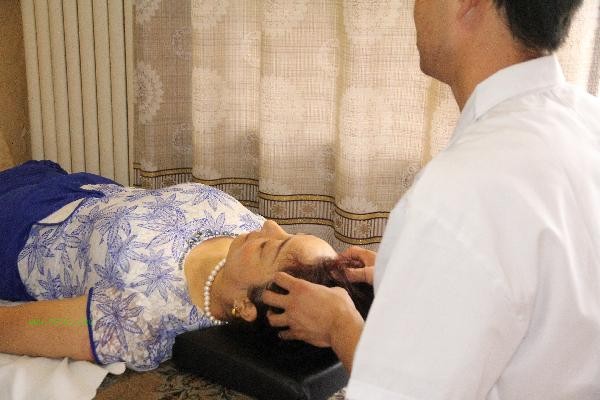
5. Tuina therapy
clears meridians through techniques such as rubbing and pressing the Baliao acupoint and massaging the abdomen. Pressing the belt pulse can alleviate the feeling of falling, and combined with abdominal vibration techniques, promote pelvic lymphatic reflux. Before massage, acute infection should be ruled out, and the technique should be gentle and avoid violence, 2-3 times a week. It should be taken orally with traditional Chinese medicine to enhance the therapeutic effect. During traditional Chinese medicine treatment, it is necessary to keep the perineum clean, avoid cold and spicy foods, and limit sexual activity. During acute attacks, bed rest is recommended, while during chronic periods, practicing Baduanjin can improve blood and qi circulation. It is recommended to wear loose cotton underwear and take a 15 minute sitz bath with warm water every day. If fever or abnormal secretions occur, timely follow-up examination is necessary. Integrated traditional Chinese and Western medicine treatment can improve the efficacy. Strictly follow the doctor's advice to complete the treatment course and prevent the condition from repeatedly turning into chronic.





Comments (0)
Leave a Comment
No comments yet
Be the first to share your thoughts!