
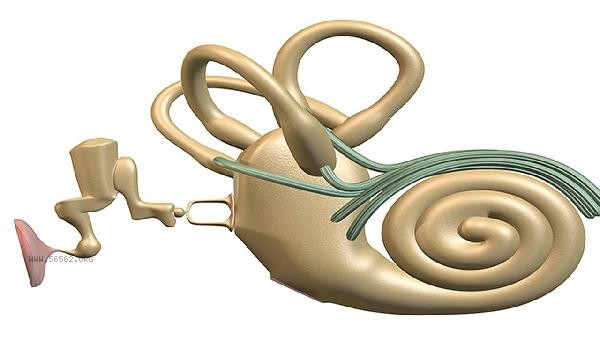
Traditional Chinese medicine treatment of neural deafness mainly includes traditional Chinese medicine treatment, acupuncture and moxibustion treatment, massage, diet conditioning and daily care, which should be treated according to the specific conditions of patients.

1. Traditional Chinese Medicine Treatment
Traditional Chinese medicine often uses formulas that tonify the kidneys, nourish essence, promote blood circulation, and unblock collaterals to treat neurogenic hearing loss. The commonly used formula includes Deaf Zuo Ci Wan, which is suitable for kidney essence deficiency type deafness, mainly manifested as tinnitus such as cicada, dizziness and vertigo; Tongqiao Huoxue Tang can be used for blood stasis blocking type deafness, with common symptoms including ear pain and dull complexion. Ginkgo biloba leaf extract and other traditional Chinese medicine preparations with microcirculation improving effects are also commonly used in clinical practice. Medication should be carried out under the guidance of a traditional Chinese medicine practitioner's syndrome differentiation, and self medication should be avoided.
2. acupuncture and moxibustion Treatment
acupuncture and moxibustion can regulate the movement of qi and blood by stimulating acupoints around the ear, such as Tinggong, Yifeng, and Ermen, and cooperating with distal acupoints, such as Taixi, Sanyinjiao, etc. For patients with sudden deafness, early intervention of acupuncture and moxibustion treatment has a better effect. The commonly used clinical method of filiform needle acupuncture combined with electroacupuncture treatment lasts for 20-30 minutes each time, with 10 sessions constituting one course of treatment. During the treatment process, there may be a temporary worsening of tinnitus, which is a normal reaction.
3. Massage
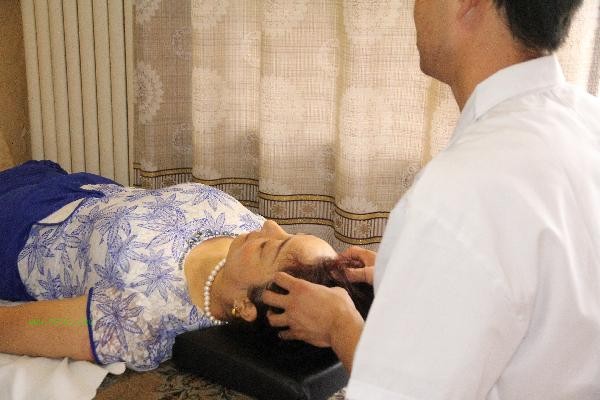
By massaging acupoints around the ears and meridians in the neck, local blood circulation can be improved. Common techniques include massaging the earlobe and Tinggong acupoints, and massaging the gallbladder meridian route from Fengchi acupoint to Jianjing acupoint. Massage 2-3 times a day, 15-20 minutes each time, and persist for a month to see certain results. When massaging, the intensity should be moderate to avoid discomfort caused by excessive pressure. The effect is more significant for patients with neurogenic hearing loss accompanied by cervical spondylosis.
4. Dietary regulation
Traditional Chinese medicine suggests that patients with neurogenic hearing loss should consume more kidney tonifying foods such as black sesame, walnuts, goji berries, etc. Avoid spicy and stimulating foods, and limit high salt and high-fat diets. Moderate consumption of chrysanthemum tea, cassia seed tea, and other liver clearing and eye improving products is recommended. In winter, it is recommended to consume warm and nutritious foods such as lamb and yam. In summer, it is recommended to eat more lotus seeds, lilies, and other nourishing foods. Dietary adjustments need to be persisted in the long term, and the effect is better when combined with other treatment methods.
5. Daily Maintenance
Maintain a regular schedule to avoid staying up late and overexertion. Reduce exposure to noisy environments, control the time and volume of using headphones. Engaging in soothing exercises such as Tai Chi and Eight Section Brocade can help promote the circulation of qi and blood. Pay attention to keeping warm, especially protecting the head and ears from cold stimulation. Maintain emotional stability and avoid negative emotions such as anxiety and depression that may affect the effectiveness of treatment.
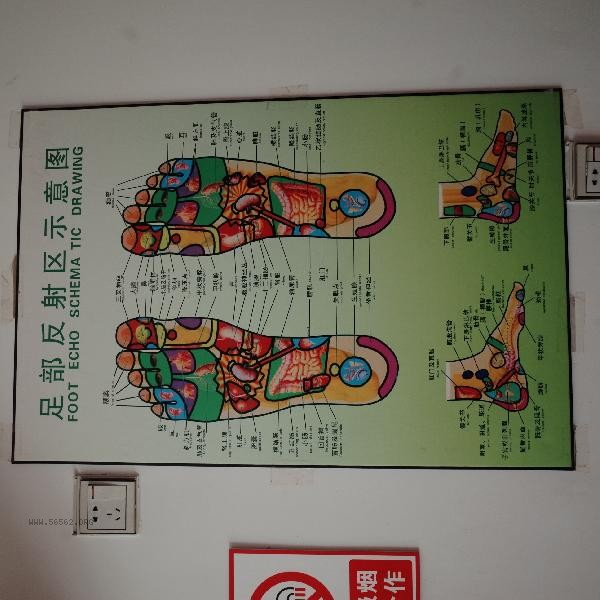
Traditional Chinese Medicine treatment for neurogenic hearing loss requires a comprehensive approach that emphasizes individualized treatment plans. During the treatment period, regular hearing check ups should be conducted in conjunction with Western medicine examinations to clarify any changes in the condition. Pay attention to maintaining good living habits and avoid bad habits such as smoking and drinking. If discomfort symptoms such as dizziness and nausea occur during the treatment process, seek medical attention promptly. Persist in systematic treatment for 3-6 months to achieve good therapeutic effects, and patients need to maintain patience and cooperate with treatment.





Comments (0)
Leave a Comment
No comments yet
Be the first to share your thoughts!