
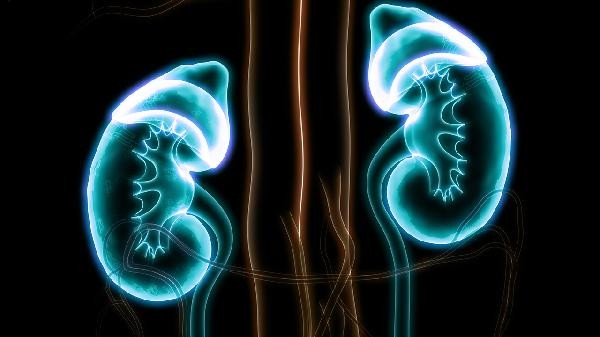
Traditional Chinese medicine treatment of hypertensive nephropathy mainly includes oral Chinese medicine, acupuncture and moxibustion therapy, massage, diet conditioning, exercise therapy, etc. Hypertensive nephropathy is often caused by factors such as liver and kidney yin deficiency, phlegm and blood stasis, and requires individualized diagnosis and treatment.
1. Oral administration of traditional Chinese medicine
Traditional Chinese medicine treatment mainly focuses on nourishing the liver and kidneys, promoting blood circulation, and removing blood stasis. Common prescriptions include Liuwei Dihuang Wan, Tianma Gouteng Yin, etc. Liuwei Dihuang Pill is suitable for patients with liver and kidney yin deficiency, and can improve symptoms of dizziness and tinnitus; Tianma Gouteng drink can calm the liver and quench the wind, relieve headaches and dizziness. Danshen injection can also be used as an adjuvant therapy in clinical practice. Medication should be adjusted according to the syndrome type under the guidance of a traditional Chinese medicine practitioner.
II. acupuncture and moxibustion Therapy
acupuncture and moxibustion selects Taixi, Sanyinjiao and other acupoints to regulate liver and kidney functions, and cooperates with Baihui and Fengchi to reduce blood pressure. Adopting the technique of tonifying and relieving diarrhea, keeping the needle for 20 minutes each time, with 10 times as one course of treatment. Studies have shown that acupuncture and moxibustion can improve the glomerular filtration rate, but it should be used with caution in patients with severe renal insufficiency. Blood pressure changes need to be monitored during treatment.
3. Tuina Massage
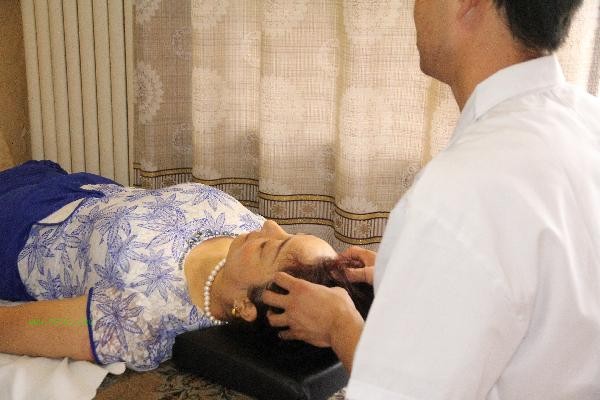
Promotes blood circulation by massaging the Yongquan acupoint on the sole of the foot, combined with back bladder meridian massage to clear meridians. Perform 10 minutes of acupressure every morning and evening to assist in reducing diastolic blood pressure. Patients with severe edema or skin damage should not undergo the procedure. It is recommended to have a professional rehabilitation therapist guide the technique.
4. Dietary Adjustment
Adopt a low salt and low-fat diet, with a daily sodium intake of no more than 3 grams. It can eat celery, hawthorn and other food materials that have the effect of lowering blood pressure. It can be used with medlar and yam Congee to nourish the spleen and kidney. Limit the intake of high potassium foods and control the total protein content for individuals with renal dysfunction. Avoid spicy, stimulating, and pickled foods.
5. Exercise Therapy
Choose gentle exercises such as Ba Duan Jin and Tai Chi, practice 3 times a week, with each session lasting no more than 30 minutes. During exercise, the heart rate should be controlled within the range of (220 age) x 60%. Avoid intense exercise that exacerbates proteinuria, and stop immediately if dizziness and palpitations occur. Patients with severe renal failure need to rest in bed. Patients with hypertensive nephropathy need to undergo long-term standardized monitoring of blood pressure and renal function indicators, and their urine routine should be rechecked every 2 weeks during traditional Chinese medicine treatment. Maintain a daily urine output of at least 1500 milliliters and sleep for no less than 7 hours. Pay attention to keeping your feet warm in winter and avoid blood vessel spasms caused by cold stimulation. If symptoms such as blurred vision and increased nighttime urinary frequency occur, timely follow-up visits should be made to adjust the plan.





Comments (0)
Leave a Comment
No comments yet
Be the first to share your thoughts!