
Traditional Chinese medicine treatment of epilepsy mainly includes Chinese medicine conditioning, acupuncture and moxibustion therapy, massage, acupoint application and diet. Epilepsy, also known as epilepsy syndrome in traditional Chinese medicine, is often related to factors such as wind, fire, phlegm, and blood stasis. Treatment should be based on syndrome differentiation.
1. Traditional Chinese Medicine Treatment
Traditional Chinese medicine commonly uses herbs that can dispel wind and phlegm, promote blood circulation and unblock collaterals to treat epilepsy. Tianma Gouteng Drink can calm the liver and quench the wind, and is suitable for liver wind internal movement epilepsy, manifested as sudden fainting and limb convulsions. Dingxian Pill can relieve phlegm and open the orifices, and is mainly used to treat paroxysmal dizziness caused by phlegm turbidity blocking the orifices. Suanzaoren Tang combined with Ganmai Dazao Tang can nourish the heart, calm the mind, and improve small seizures of heart and spleen deficiency type epilepsy. Traditional Chinese medicine practitioners should select prescriptions based on tongue and pulse differentiation, and avoid self medication.
II. acupuncture and moxibustion Therapy
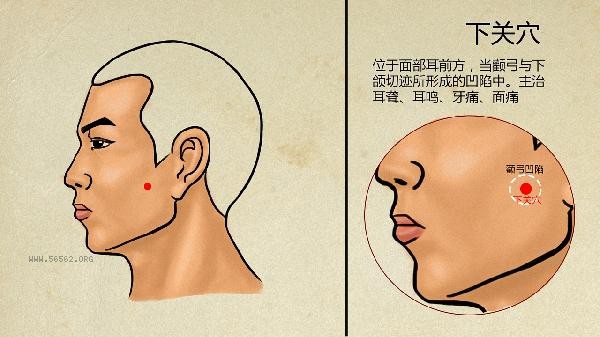
acupuncture and moxibustion regulates qi and blood by stimulating the points of the Du meridian and the liver meridian. Acupuncture at acupoints such as Renzhong and Yongquan during the attack period can awaken the mind and open the orifices. During the interval period, acupoints such as Baihui, Fengchi, and Taichong are often taken to calm the liver and dispel the wind. Ear acupoints, brain points, and other areas are buried with beans, and combined with body acupuncture, can reduce the frequency of seizures. It should be operated by a professional acupuncture and moxibustion to avoid excessive stimulation.
III. Tuina Massage
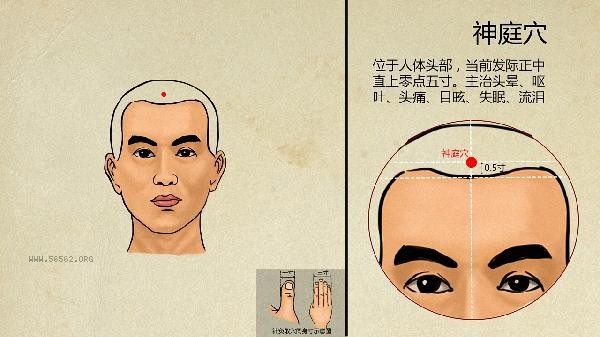
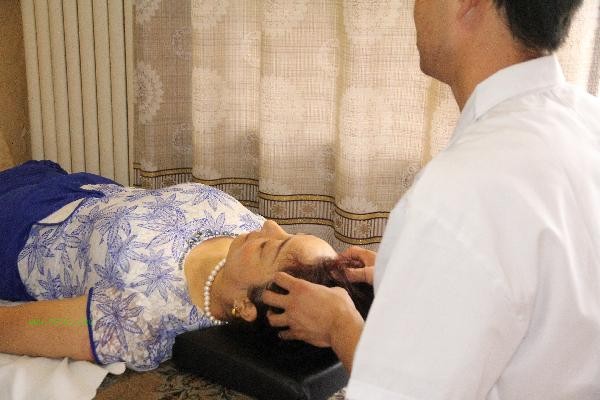
Meridian massage can unblock blockages in meridians. Common techniques include acupressure of the Fengfu acupoint and kneading of the Hegu acupoint. Pediatric epilepsy can be treated with spinal therapy by lifting and pinching the skin along the Du meridian from bottom to top, 2-3 times a week. Massage should be performed during non episodic periods, with gentle intensity to avoid sudden stimulation.
Fourth, Acupoint Application
Grind and paste drugs such as Wu Zhu Yu and Bai Si Zi, apply them to acupoints such as Shen Que and Shan Zhong, and absorb them through the skin to exert their medicinal effects. Sanfu Tie uses warm yang drugs and is suitable for those with aggravated yang deficiency epilepsy in winter. The application time should not exceed 6 hours, and it is contraindicated for individuals with skin allergies.
Fifth, Dietary Management
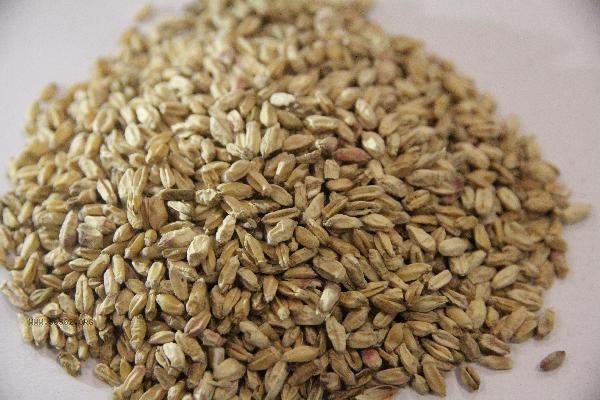
Avoid spicy substances and consume spleen strengthening foods such as yam and lotus seeds in moderation. For wind phlegm type, Zhuru Chenpi tea can be consumed, while for blood stasis type, hawthorn brown sugar water is recommended. Avoid overeating and excessive hunger, and provide a liquid diet after an episode. Long term medication users need to monitor liver and kidney function and avoid consuming foods that affect drug metabolism. Epilepsy patients should maintain a regular daily routine and avoid triggering factors such as staying up late and overeating. During an attack, it is necessary to protect the patient from falling and record the duration and symptoms of the attack for the doctor's reference. Regularly review the electroencephalogram to evaluate the therapeutic effect, and inform the physician of the traditional Chinese medicine used during integrated traditional Chinese and Western medicine treatment to prevent drug interactions. Family members should learn first aid measures, and if the attack lasts for more than 5 minutes or continues, they should be immediately taken to the hospital.





Comments (0)
Leave a Comment
No comments yet
Be the first to share your thoughts!