
Traditional Chinese medicine mainly treats constipation by adjusting diet, acupoint massage, traditional Chinese medicine conditioning, acupuncture and moxibustion treatment, exercise, etc. Constipation is often related to gastrointestinal dysfunction, insufficient qi and blood, and deficiency of body fluids. Traditional Chinese medicine improves symptoms through comprehensive regulation.
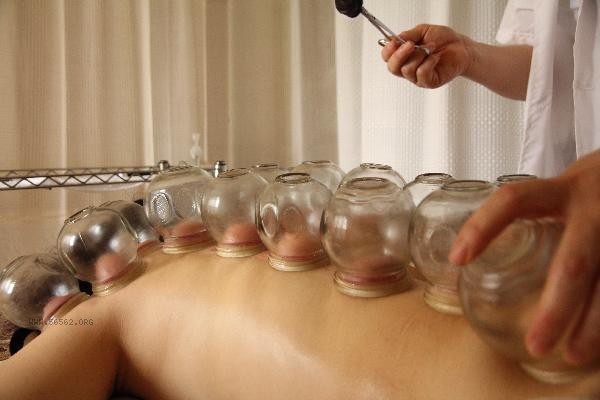
1. Adjusting diet
Dietary regulation is the basic method of treating constipation in traditional Chinese medicine. It is recommended to increase dietary fiber intake, such as oats, sweet potatoes, broccoli, etc., to promote gastrointestinal peristalsis. Moderate consumption of honey water or cassia seed tea can help moisten the intestines and promote bowel movements. Avoid spicy and greasy foods to reduce gastrointestinal burden. Drink small amounts of water multiple times in daily life to keep the intestines moist. Long term constipation sufferers can try drinking warm boiled water on an empty stomach in the morning to stimulate intestinal peristalsis.
2. Acupoint massage
Traditional Chinese medicine recommends massaging acupoints such as Tian Shu and Zu San Li to improve constipation. The Tian Shu acupoint is located two inches beside the navel, and daily clockwise massage can regulate intestinal function. Zusanli acupoint is located on the outer side of the calf, and pressing it can invigorate the spleen and stomach. When massaging, use your thumb to exert moderate pressure on the abdomen and press each acupoint for a few minutes. Combining clockwise massage with abdominal massage yields better results. Pregnant women and abdominal surgeons should operate with caution.
3. Traditional Chinese Medicine Treatment
Different traditional Chinese medicines can be selected according to the syndrome type. For intestinal dryness and constipation, Ma Ren Wan can be used to moisten the intestines and promote bowel movements. For Qi stagnation type, Zhi Shi Dao Zhi Wan can be used to promote Qi conduction stagnation. For Qi deficiency type, Bu Zhong Yi Qi Tang can be modified. Traditional Chinese patent medicines and simple preparations such as Tongbianling capsule and aloe capsule are also commonly used to relieve symptoms. Before use, it is necessary to undergo diagnosis and treatment by a traditional Chinese medicine practitioner to avoid long-term dependence on laxatives. Observe bowel movements and physical reactions during medication.
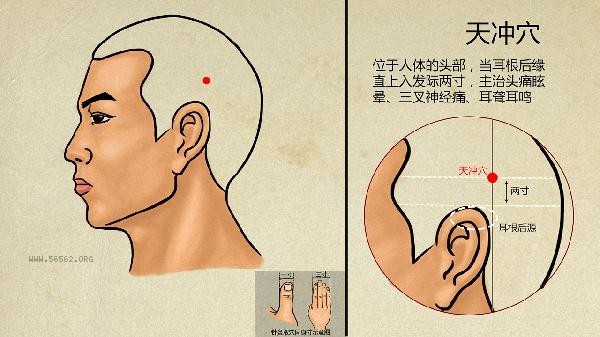
4. acupuncture and moxibustion Treatment
acupuncture and moxibustion regulates the function of the zang fu organs by stimulating the meridians, and usually selects the points such as Dachangshu and Shangjuxu. Deficiency syndrome is treated with tonifying method, while excess syndrome is treated with laxative method, combined with electroacupuncture to enhance the effect. Treatment should be repeated multiple times, and pregnant women and those with bleeding constitution should use it with caution. Acupuncture and moxibustion and moxibustion can improve the intestinal nerve regulation and have a better effect on functional constipation. It should be operated by a professional physician and avoid attempting on your own.
5. Exercise
Moderate exercise such as Ba Duan Jin and Tai Chi can promote the circulation of qi and blood and improve gastrointestinal motility. It is recommended to engage in low-intensity exercises such as abdominal stretching and slow walking every day. Sedentary individuals should get up and move around every hour to avoid stagnation of qi and blood. Exercise should be gradual and avoid eating immediately after intense exercise. Combining respiratory training yields better results, such as abdominal breathing combined with anal lifting exercises.
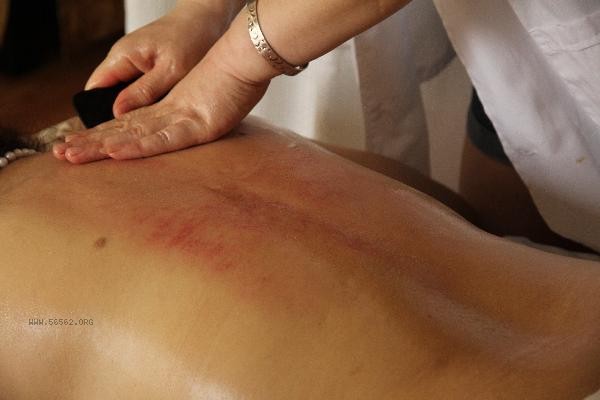
Traditional Chinese Medicine emphasizes the treatment of constipation based on syndrome differentiation, and appropriate methods should be selected according to the constitution. Maintain a regular daily routine and develop a habit of regular bowel movements. Avoid excessive dependence on laxatives, and seek medical attention promptly for long-term constipation or symptoms such as abdominal pain and bloody stools. Pay attention to the combination of coarse and fine foods in diet, and supplement probiotics in moderation. Maintain a relaxed mood and reduce the impact of mental factors on gastrointestinal function. Recording bowel movements during treatment facilitates adjusting the plan.





Comments (0)
Leave a Comment
No comments yet
Be the first to share your thoughts!