
Chinese medicine treatment of cervical spondylosis mainly includes acupuncture and moxibustion, massage, oral Chinese medicine, cupping, traction and other methods. Cervical spondylosis is often caused by long-term strain, invasion of wind, cold, and dampness pathogens, or insufficient qi and blood, resulting in symptoms such as neck pain and limited mobility. It is necessary to choose appropriate treatment based on individual circumstances.

1. acupuncture and moxibustion
acupuncture and moxibustion relieves neck muscle spasm and pain by stimulating specific points to dredge the meridians. Commonly used acupoints include Fengchi, Jianjing, Tianzhu, etc., which can be combined with electroacupuncture or warm needling to enhance the effect. Acupuncture and moxibustion is applicable to cervical spondylosis of stagnation of qi and blood or invasion of wind, cold and dampness. It should be operated by professional doctors to avoid empty stomach or excessive fatigue.
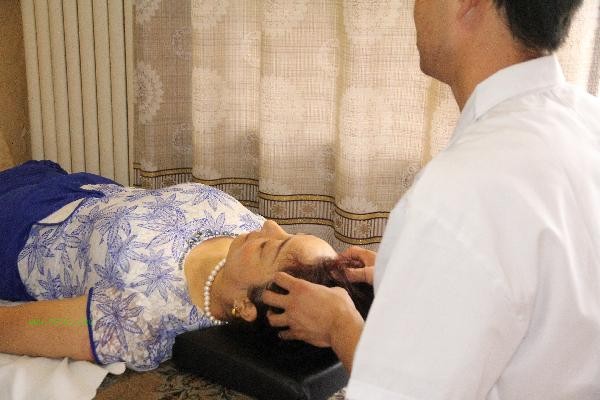
2. Tuina
Tuina uses manual techniques to loosen neck muscle adhesions and improve local blood circulation. Commonly used techniques such as rolling, kneading, and pressing can be combined with hot compress to enhance the therapeutic effect. Tuina is suitable for the rehabilitation of mild cervical spondylosis or acute phase, but it is contraindicated for patients with cervical spondylotic myelopathy or severe osteoporosis. The operation force should be gentle to avoid secondary injury.
3. Oral administration of traditional Chinese medicine
Traditional Chinese medicine should be selected according to the syndrome type to promote blood circulation and remove blood stasis or dispel wind and dispel cold formulas. For example, Ge Gen Tang can relieve neck pain, while Du Huo Sheng Yin Tang is suitable for wind cold dampness type. It needs to be used based on syndrome differentiation. For those with liver and kidney deficiency, tonic drugs can be added. During the medication period, avoid cold and greasy foods. Pregnant women and those with allergies need to adjust the formula.

4. Cupping
Cupping promotes local qi and blood circulation through negative pressure adsorption, and is suitable for cervical spondylosis with wind cold dampness stagnation or qi stagnation and blood stasis. The cupping or cupping method is often used on the shoulder and neck, and is contraindicated for those with skin damage or coagulation dysfunction. After treatment, it is necessary to avoid wind and keep warm. If blisters appear, they should be treated in a timely manner.
5. Traction
Traction reduces nerve compression by mechanically stretching the cervical space, and is suitable for cervical spondylotic radiculopathy. Adjust weight and time under the guidance of a doctor to avoid muscle strain caused by excessive traction. It is not suitable for use in patients with acute inflammation or severe stenosis of the spinal canal. It is better to use it in conjunction with cervical brace fixation. Patients with cervical spondylosis should avoid bowing their heads for long periods of time in daily life, move their neck for 5 minutes every hour, and choose a pillow of moderate height during sleep. You can practice Eight Section Brocade or Cervical Health Exercises to enhance muscle strength, pay attention to keeping the neck warm and avoid catching a cold. If upper limb numbness or unstable walking occurs, immediate medical attention is required. Integrated traditional Chinese and Western medicine treatment can significantly improve the efficacy. Diet should be warm and nourish the liver and kidneys. Moderate consumption of black sesame seeds, walnuts, etc. should be avoided. Spicy and stimulating foods should be avoided.






Comments (0)
Leave a Comment
No comments yet
Be the first to share your thoughts!