
Traditional Chinese medicine treatment of atrial fibrillation mainly includes Chinese medicine conditioning, acupuncture and moxibustion therapy, massage, diet, emotional regulation and other methods. Atrial fibrillation may be related to factors such as insufficient qi and blood, phlegm stasis, and deficiency of heart and kidney yin. It usually manifests as symptoms such as palpitations, chest tightness, and shortness of breath.
1. Traditional Chinese Medicine Conditioning
Traditional Chinese medicine conditioning is a commonly used method for treating atrial fibrillation in traditional Chinese medicine, with commonly used drugs such as Wenxin Granules, Shensong Yangxin Capsules, Compound Danshen Dripping Pills, etc. Wenxin Granules are composed of Codonopsis pilosula, Polygonatum sibiricum, Panax notoginseng, etc., which help to nourish qi and yin, promote blood circulation and remove blood stasis. Shensong Yangxin Capsules contain ingredients such as ginseng, Ophiopogon japonicus, and Schisandra chinensis, which can improve palpitations and shortness of breath. Compound Danshen Dripping Pills have the effects of promoting blood circulation, removing blood stasis, unblocking collaterals, and relieving pain, and are suitable for atrial fibrillation of qi stagnation and blood stasis type. Traditional Chinese medicine treatment should be based on the patient's constitution and syndrome differentiation, and it is recommended to use it under the guidance of a traditional Chinese medicine practitioner.
II. acupuncture and moxibustion therapy
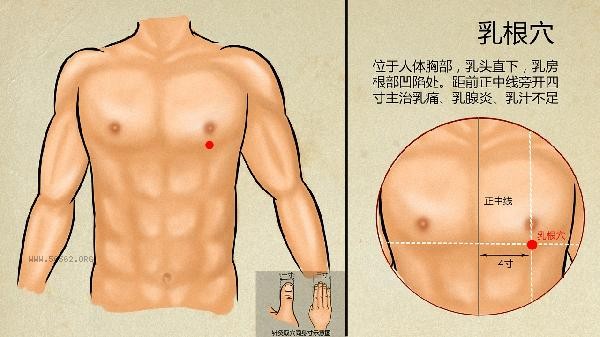
acupuncture and moxibustion therapy regulates the movement of qi and blood by stimulating specific points, and commonly used points include Neiguan, Shenmen and Tanzhong. The Neiguan acupoint is located on the palmar side of the forearm, which helps to calm the mind, regulate qi, and relieve pain. Shenmen acupoint is located on the wrist, which can calm the mind and relieve palpitations. The Danzhong acupoint is located between the fourth rib and the midline of the chest, which can widen the chest, regulate qi, and regulate cardiac function. Acupuncture and moxibustion treatment needs to be operated by professional doctors, and appropriate manipulation and treatment course should be selected according to the condition.
III. Tuina Massage
Tuina massage stimulates meridians and acupoints through manual techniques to improve heart function. Common techniques include massaging the Neiguan acupoint, tapping the Xinyu acupoint, and rubbing the bladder meridian on the back. The Xinyu acupoint is located 1.5 inches below the spinous process of the fifth thoracic vertebra on the back. Massaging this acupoint can regulate the heart's qi and blood. When massaging, the intensity should be moderate, based on the patient's feeling of soreness and swelling. Massage therapy requires long-term persistence and can be combined with other traditional Chinese medicine therapies to enhance its effectiveness.
Fourth, Dietary Maintenance
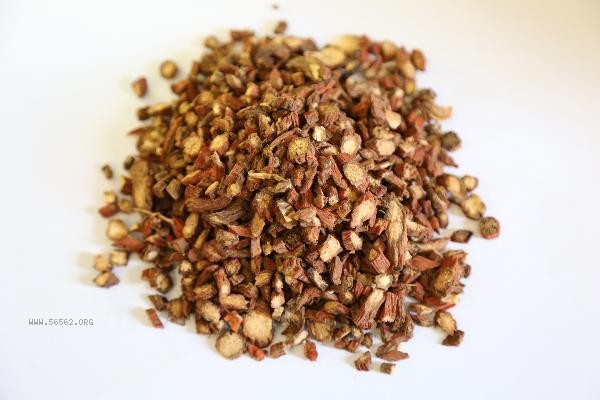
Dietary maintenance focuses on light and easily digestible foods, such as lotus seeds, lilies, yams, etc., which can nourish the heart in moderation. Lotus seed has the effect of clearing the mind and calming the nerves. It can be used to cook Congee or stew. Lily can nourish yin, moisten the lungs, clear the heart and calm the mind, suitable for patients with yin deficiency type atrial fibrillation. Yam can invigorate the spleen and kidneys, and help improve symptoms of heart and spleen deficiency. Avoid spicy and greasy foods, and limit caffeinated beverages such as strong tea.
V. Emotional Regulation
Emotional regulation emphasizes maintaining emotional stability and avoiding excessive anger, anger, and worry. Traditional Chinese medicine believes that excessive seven emotions can damage the heart and lead to disorder of qi and blood. You can soothe your emotions through meditation, breathing exercises, music therapy, and other methods. Cultivate a calm mindset and avoid tension and anxiety. Ensure sufficient sleep and establish a regular schedule. Emotional regulation requires long-term persistence and combined with other treatment methods to improve symptoms of atrial fibrillation.
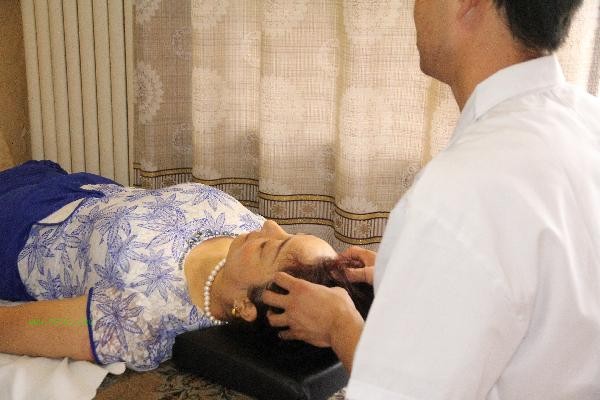
Traditional Chinese Medicine treatment for atrial fibrillation should be based on individual diagnosis and treatment, and it is recommended to comprehensively use multiple methods under the guidance of professional TCM practitioners. During the treatment period, regular follow-up electrocardiograms should be performed to monitor changes in heart rate. Maintain moderate exercise such as Tai Chi, Baduanjin, etc., and avoid strenuous activities. Pay attention to keeping warm and avoiding triggering factors such as colds. If palpitations worsen or fainting occurs, seek medical attention promptly. The combination of traditional Chinese and Western medicine treatment may achieve better results, and the specific plan should follow the doctor's advice.





Comments (0)
Leave a Comment
No comments yet
Be the first to share your thoughts!