
Neurological examination mainly examines the functional status of the nervous system, including consciousness, cranial nerves, motor system, sensory system, reflexes, and ataxia. Neurological examination can help detect neurological diseases such as stroke, peripheral neuropathy, Parkinson's disease, etc.
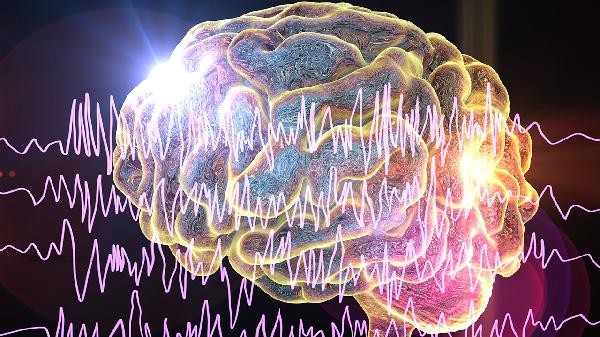
1. State of Consciousness
State of consciousness assessment is the primary step of neurological examination, which judges the clarity of consciousness by observing the patient's orientation towards time, place, and person, as well as language response, physical activity, and other factors. Blurred consciousness may indicate traumatic brain injury, encephalitis, or metabolic encephalopathy, and should be quantitatively evaluated in conjunction with the Glasgow Coma Scale. The doctor will check brainstem functional indicators such as pupil reflex and corneal reflex. Patients with severe consciousness disorders need to undergo emergency head CT examination for intracranial hemorrhage.
2. Cranial nerve examination
12 pairs of cranial nerve function examinations cover visual, auditory, facial motor, and swallowing functions. The doctor uses a fundus microscope to observe the swelling of the optic nerve papilla, tests the pain distribution area of the trigeminal nerve, and evaluates the facial nerve innervation of facial muscles. Tongue pharyngeal nerve injury can manifest as disappearance of pharyngeal reflex, and dysfunction of vagus nerve may lead to hoarseness. Sudden unilateral hearing loss requires exclusion of acoustic neuroma, while oculomotor nerve paralysis is common in intracranial aneurysm compression.
3. Exercise system
Exercise function examination includes muscle strength, muscle tension, and involuntary exercise assessment. The doctor uses a 0-5 level muscle strength grading method to test the resistance movement of the limbs, and an increase in muscle tone may indicate extrapyramidal lesions. Static tremor is a characteristic manifestation of Parkinson's disease, while dance like movements are common in Huntington's disease. Unilateral limb weakness requires urgent exclusion of acute cerebral infarction, and spinal cord lesions may manifest as paraplegia or quadriplegia.
4. Sensory System
Sensory examination covers shallow sensation, deep sensation, and composite sensation testing. The doctor checks touch with a cotton swab, evaluates temperature sensation with a hot and cold test tube, and tests deep sensation with a percussion hammer vibration. Diabetes peripheral neuropathy is mostly manifested as glove sock like hypoesthesia, and syringomyelia may present dissociative sensory disorder. Patients with sensory ataxia have a positive sign of difficulty standing with closed eyes, indicating damage to the posterior spinal cord.
5. Reflex and ataxia
Deep reflex examination includes knee jerk reflex, Achilles tendon reflex, etc. Positive pathological reflex indicates pyramidal tract injury. The ataxia movement is evaluated through finger nose test and heel knee tibia test, and cerebellar lesions are manifested as intentional tremor. The meningeal irritation sign examination has diagnostic value for subarachnoid hemorrhage, while a positive Huffman sign may indicate cervical cord lesions. Autonomic nerve function examination includes skin scratch test, supine blood pressure measurement, etc. If abnormal signs are found after neurological examination, it is recommended to complete head MRI, electromyography or cerebrospinal fluid examination. In daily life, it is necessary to avoid head injury, control hypertension, diabetes and other basic diseases, and seek medical advice in case of sudden headache, vomiting or limb numbness. Regular exercise can help improve peripheral nerve blood circulation, a Mediterranean diet can reduce the risk of neurodegenerative diseases, and ensuring adequate sleep is crucial for nervous system repair.









Comments (0)
Leave a Comment
No comments yet
Be the first to share your thoughts!