
Rhizoma Polygonati has the effects of tonifying qi and yin, strengthening spleen and lungs, tonifying kidney and filling essence, etc. The traditional Chinese medicine diet mainly includes Rhizoma Polygonati stewed chicken, Rhizoma Polygonati Congee, Rhizoma Polygonati medlar tea, etc. Huangjing is the dried rhizome of plants in the lily family, such as Dianhuangjing, Huangjing, or Duohuahuangjing. It is commonly used to improve symptoms such as spleen and stomach weakness, lung deficiency, dry cough, and insufficient blood and essence.
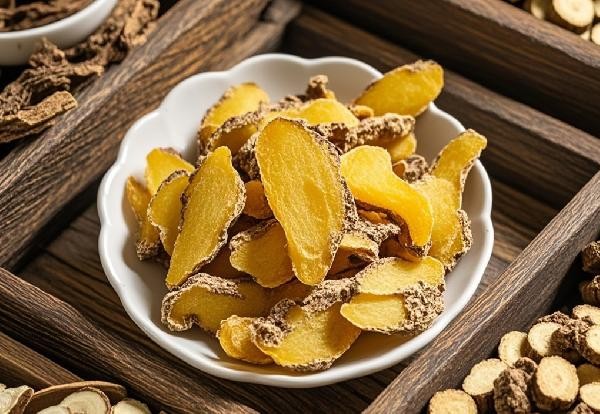
1. Tonifying Qi and Nourishing Yin
Huangjing has a flat and sweet nature, and can regulate the spleen, lung, and kidney meridians. It can alleviate fatigue and dry mouth caused by qi and yin deficiency. For patients with chronic illness or excessive fatigue, the combination of Huangjing and Huangqi can enhance the effect of replenishing qi. People with yin deficiency and internal heat can use Huangjing combined with Ophiopogon japonicus to improve hot flashes and night sweats. Attention should be paid to using with caution those with phlegm dampness stagnation.
2. Strengthening the spleen and moistening the lungs
Huangjing contains polysaccharides and amino acids, which can promote the secretion of digestive juices and improve appetite loss. Boiling yam together can enhance the spleen strengthening effect and is suitable for patients with chronic diarrhea. Those with dry lung and dry cough can use Rhizoma Polygoni Rhizoma and Sichuan Fritillariae to steam pears to relieve dry throat. Diabetes patients should control consumption.
III. Nourishing Kidney and Filling Essence
The steroidal saponins in Huangjing can help improve the soreness and weakness of the waist and knees caused by kidney essence deficiency. Stewed with black beans can enhance the kidney tonifying effect, suitable for people with premature aging. For those with kidney yang deficiency, Eucommia ulmoides should be used in combination, while for those with yin deficiency, Rehmannia glutinosa should be used in combination. Prohibited during acute nephritis attack.
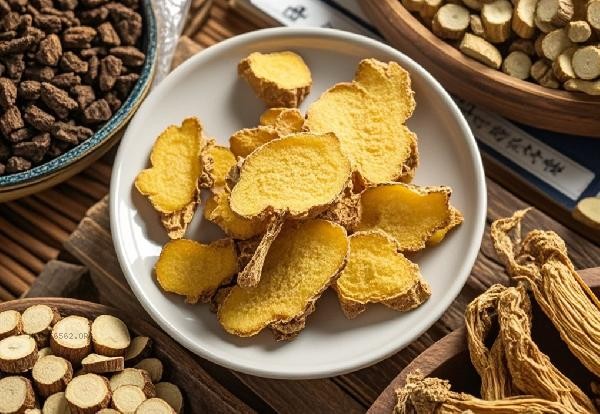
Fourthly, regulating immunity
Polygonatum sibiricum polysaccharides can activate macrophage function and improve the body's disease resistance. During the postoperative recovery period, Huangjing and jujube soup can be used for conditioning, and during the radiotherapy and chemotherapy period for cancer patients, Lingzhi can be used in combination. Patients with autoimmune diseases should use it under the guidance of a physician.
5. Delaying Aging
The antioxidant components of Polygonatum sibiricum can eliminate free radicals, and when combined with black sesame, can improve memory loss. Menopausal women can use Huangjing Danggui ointment to regulate their endocrine system, while those with dry skin can apply Huangjing juice externally to moisturize. People with spleen deficiency and loose stools should reduce their use.
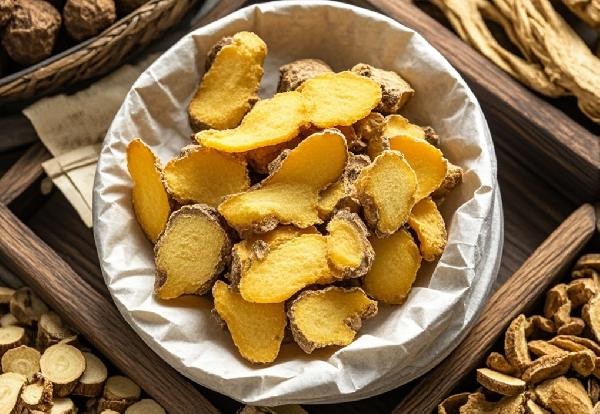
When using Huangjing for dietary therapy, it is recommended to choose the nine steamed and nine sun dried Huangjing to reduce its greasiness. It is advisable to consume it 3-4 times a week. People with yin deficiency and excessive heat should pair it with heat clearing ingredients, such as chrysanthemum tea. During use, avoid eating radish and strong tea to avoid affecting the efficacy of the medicine. If discomfort such as bloating and diarrhea occurs, discontinue use and consult a traditional Chinese medicine practitioner. Chronic disease patients need to use medication under professional guidance and cannot replace formal treatment.





Comments (0)
Leave a Comment
No comments yet
Be the first to share your thoughts!