
The 42 day physical examination for newborns focuses on checking growth and development, nervous system development, cardiopulmonary function, hearing and vision, hip joint development, and other items. Physical examination helps to detect potential health problems early and ensure the healthy growth of infants.
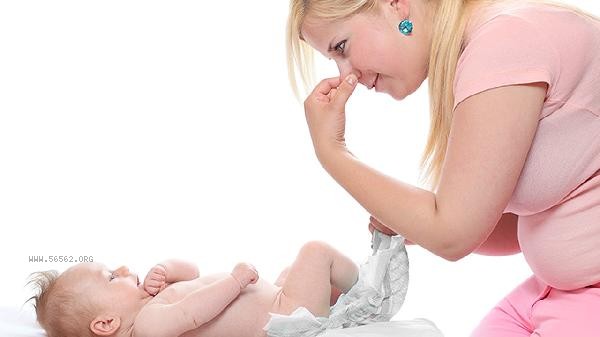
1. Growth and development
measures indicators such as weight, length, and head circumference to evaluate nutritional status and growth rate. Insufficient weight gain may be related to inadequate feeding or poor absorption, while excessive growth requires caution against excessive feeding. Doctors will draw growth curves for dynamic comparison, and delayed growth may indicate endocrine disorders such as hypothyroidism. breastfeeding infants should observe whether the breastfeeding posture is correct, and formula feeding should confirm whether the mixing ratio is appropriate.
2. The nervous system
evaluates brain development through tests such as chasing the red ball, grasping reflex, and looking up in a prone position. Abnormal muscle tone may indicate brain injury, and if the primitive reflex has not subsided, neurological disorders should be ruled out. Doctors will observe the baby's response to sound and light, and delayed response may be related to hearing and vision impairment or developmental delay. Premature infants should pay special attention to the level of neurological development under corrected age.
3. Cardiopulmonary function
Auscultation of heart and respiratory sounds to diagnose congenital heart or lung diseases. Cardiac murmurs need to be distinguished between physiological and pathological factors, and shortness of breath may indicate pulmonary infection. Observing the color of the lips and limbs, cyanosis may indicate hypoxia. Premature infants should focus on examining complications such as bronchopulmonary dysplasia.

4. Hearing and visual acuity
Use otoacoustic emission or automatic auditory brainstem response to screen for hearing impairment. The response test to visual stimuli can detect problems such as cataracts and retinal lesions early. High risk newborns such as low birth weight infants need to undergo repeated hearing screening. Continuous nystagmus or strabismus requires referral to ophthalmology for further examination.
5. Hip joint
Screening for developmental dysplasia of the hip joint through abduction test and ultrasound examination. Asymmetric skin lines and limited mobility on both legs require caution against the possibility of dislocation. Female infants, those born in a breech position, and those with a positive family history are high-risk groups. Early detection can achieve good prognosis through conservative treatment such as sling fixation. After the physical examination, parents should follow the doctor's advice to keep feeding records and monitor growth, ensuring 16-20 hours of sleep per day and avoiding excessive wrapping that may affect hip joint development. Pay attention to the baby's mental state and feeding situation. If symptoms such as refusal to breastfeed, drowsiness, and abnormal breathing occur, timely follow-up should be sought. Regularly receive preventive vaccinations and follow up on child health care, and establish a complete health record.








Comments (0)
Leave a Comment
No comments yet
Be the first to share your thoughts!