
A comprehensive physical examination usually includes physical examination, laboratory examination, imaging examination, functional examination, and specialized examination, mainly covering basic items such as blood routine, urine routine, liver function, kidney function, blood glucose, blood lipids, electrocardiogram, abdominal ultrasound, chest X-ray, etc. Targeted examinations can also be added according to age, gender, medical history, etc.
1. Physical Examination
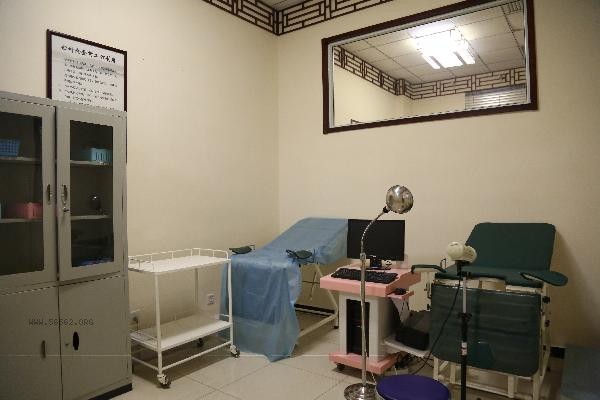
Physical examination is the basic item of physical examination, including measurement of vital signs such as height, weight, blood pressure, pulse, as well as specialized examinations in internal medicine, surgery, facial features, dentistry, etc. Internal medicine examinations mainly evaluate the function of organs such as the heart, lungs, and abdomen through auscultation, palpation, and other methods. Surgical examinations focus on superficial tissues such as the skin, lymph nodes, and thyroid gland. Otolaryngology and dentistry screen for common problems such as vision, hearing, and dental caries.
II. Laboratory Examination
Laboratory examination is conducted by collecting samples such as blood and urine for testing. Blood routine test can reflect anemia, infection and other conditions. Urine routine test can help find urinary system diseases. Liver function test can assess liver metabolic function. Renal function test can monitor renal filtration capacity. Blood sugar and blood lipid test can be used to screen metabolic diseases such as diabetes and hyperlipidemia. Some of the physical examination packages also include specialized tests such as tumor markers and thyroid function.
III. Imaging Examination
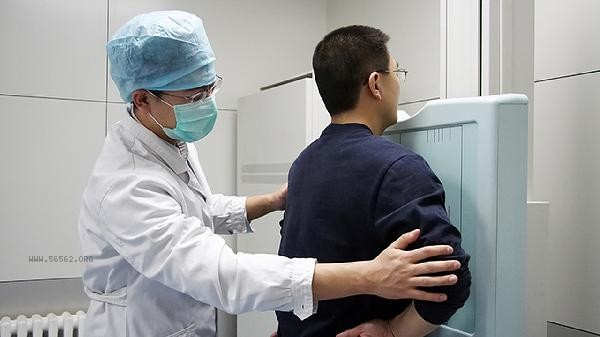
Imaging examinations mainly include chest X-rays, abdominal ultrasound, and other items. Chest X-ray can preliminarily screen for lung infections, tuberculosis, tumors and other lesions, while abdominal ultrasound can observe the morphology and structural abnormalities of organs such as liver, gallbladder, pancreas, spleen and kidney. Middle aged and elderly individuals or high-risk groups may require specialized examinations such as carotid ultrasound and bone density testing.
IV. Functional Examination
Functional examination mainly evaluates the dynamic working status of organs, such as electrocardiogram examination of cardiac electrical activity, pulmonary function test of respiratory system ventilation ability, and transcranial Doppler ultrasound detection of cerebral blood flow status. Some institutions also offer advanced programs such as exercise load tests and dynamic electrocardiograms, which are suitable for populations at high risk of cardiovascular disease.
Fifth, Specialized Examination
Specialized examinations are designed for specific populations. Women can add gynecological items such as breast ultrasound and cervical smear, while men can choose to undergo prostate-specific antigen testing. People over 40 years old are recommended to undergo gastrointestinal endoscopy, and those with a family history need to undergo targeted tumor screening. Ophthalmic examinations may include fundus photography, intraocular pressure measurement, etc. Otolaryngology may involve specialized procedures such as laryngoscopy and hearing testing. The selection of physical examination items should take into account factors such as personal age, gender, family history, and lifestyle habits. It is recommended to develop personalized plans under the guidance of a doctor. Before the physical examination, it is recommended to maintain an empty stomach for 8-12 hours and avoid strenuous exercise. Women should also avoid their menstrual period. After the physical examination, the report should be properly kept, and any abnormal results should be promptly reviewed by a specialist. Normal individuals should also maintain a regular physical examination frequency of 1-2 times a year and establish a health record for dynamic comparison. Pay attention to a balanced diet, regular daily routine, moderate exercise, and adjust lifestyle according to the results of physical examination.









Comments (0)
Leave a Comment
No comments yet
Be the first to share your thoughts!