
Gynecological examinations mainly include external genital examination, vaginal examination, cervical examination, uterine and accessory examination, breast examination, and other items. Gynecological examination can help screen gynecological inflammation, cervical lesions, uterine fibroids, ovarian cysts, breast cancer and other diseases, and it is recommended that adult women regularly carry out gynecological examination.
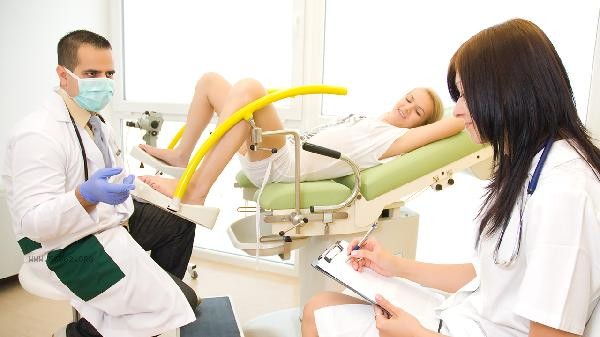
1. External genital examination
External genital examination mainly observes whether there are any abnormalities in the color and shape of the external genital skin, and checks for ulcers, growths, pigmentation changes, and other conditions. Doctors will use visual and palpation to determine whether the development of the external genitalia is normal, and whether there are lesions such as white spots, genital warts, and cysts in the external genitalia. External genital examination is a non-invasive examination, and there may be slight discomfort during the examination, but it generally does not cause pain.
2. Vaginal examination
Vaginal examination requires the use of a vaginal speculum to dilate the vagina, observe the color of the vaginal mucosa, the characteristics of secretions, and check for any structural abnormalities such as vaginal wall protrusion and vaginal septum. The presence of bacterial vaginosis, mycotic vaginitis, trichomonal vaginitis and other infectious diseases can be determined by vaginal discharge examination. Vaginal examination may cause slight discomfort, and the bladder should be emptied before the examination.
3. Cervical examination
Cervical examination includes cervical appearance examination and cervical cytology examination. Doctors will observe the cervix for lesions such as erosion, polyps, and cysts, and perform cervical scraping or liquid based cytology to screen for precancerous lesions of the cervix. Women over 30 years old are recommended to undergo human papillomavirus testing simultaneously. Cervical examination is an important means of early detection of cervical cancer, and there may be slight bleeding during the examination.

4. Uterine and accessory examination
Uterine and accessory examination includes double diagnosis and triple diagnosis. Doctors use finger palpation to determine the position, size, and texture of the uterus, and check for tenderness, lumps, and other abnormalities in the fallopian tubes and ovaries. This examination can preliminarily diagnose diseases such as uterine fibroids, endometriosis, ovarian cysts, etc. During the examination, it is necessary to relax the abdominal muscles to alleviate discomfort, and this examination should not be performed during menstruation.
5. Breast examination
Breast examination includes visual examination, palpation, and breast ultrasound or mammography. The doctor will observe whether there are any abnormalities in the breast skin, palpate and examine the breast tissue for lumps and nodules, and evaluate the condition of axillary lymph nodes. Women over 40 years old are recommended to undergo regular mammography. Breast examination can detect breast hyperplasia, breast fibroma, breast cancer and other diseases early, and the best time for examination is one week after menstruation.
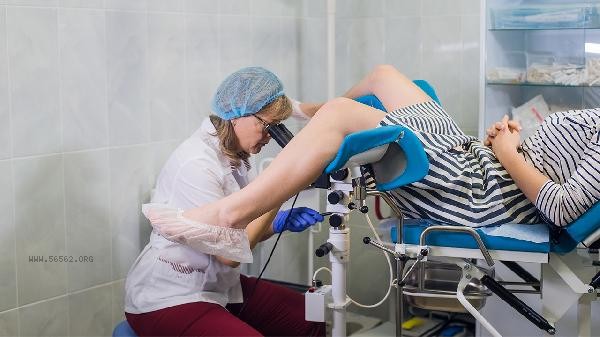
It is recommended that women undergo gynecological examinations once a year and avoid sexual activity, vaginal flushing, and the use of vaginal medications within 24 hours before the examination. Loose clothing should be worn during the examination, and any discomfort during the examination should be promptly reported to the doctor. Daily attention should be paid to keeping the external genitalia clean and dry, choosing cotton underwear and changing it frequently, avoiding the use of irritating cleaning solutions to clean the external genitalia. Seek medical attention promptly when symptoms such as abnormal vaginal bleeding, abnormal secretions, and lower abdominal pain are detected.








Comments (0)
Leave a Comment
No comments yet
Be the first to share your thoughts!