
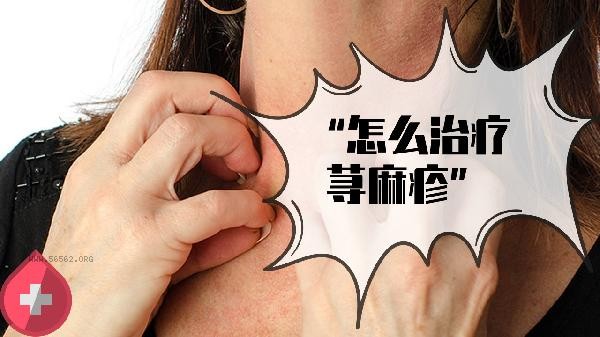
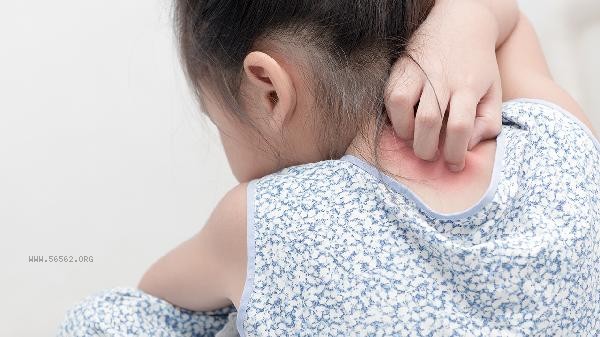
Traditional Chinese medicine treatment of chronic urticaria mainly includes oral administration of traditional Chinese medicine, acupuncture and moxibustion, cupping, acupoint application and diet conditioning. Chronic urticaria is often caused by invasion of wind pathogens, imbalance of qi and blood, or dysfunction of internal organs. Traditional Chinese medicine emphasizes the differentiation of symptoms and treatment, and the selection of treatment plans should be based on individual constitution.
1. Oral administration of traditional Chinese medicine
Select the prescription according to the syndrome type. For wind cold type, Guizhi Tang can be modified, for wind heat type, Xiaofeng San can be used, and for qi and blood deficiency type, Danggui Yinzi can be used. Commonly used traditional Chinese medicines include windproof, cicada molt, and white fresh skin, which need to be adjusted by a traditional Chinese medicine practitioner according to tongue and pulse conditions. During the medication period, avoid consuming spicy substances to prevent conflicting effects.
II. acupuncture and moxibustion therapy
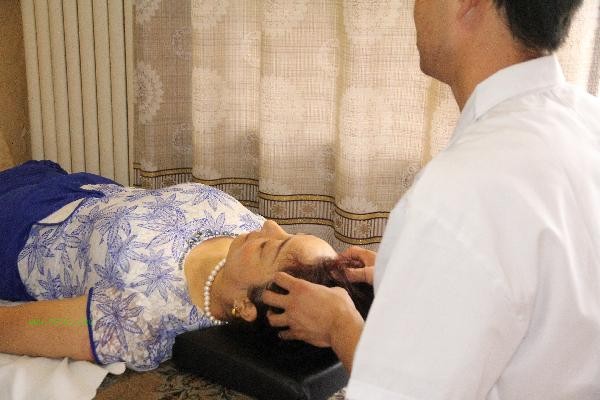
Select Quchi, Xuehai, Sanyinjiao and other main points, together with Fengchi, Hegu and other matching points, and use the method of reinforcing and reducing. For stubborn urticaria, moxibustion at the Shenque acupoint can be combined with treatment three times a week to improve skin wheals by regulating meridians, qi, and blood.
Thirdly, cupping therapy
involves walking or fixing the bladder meridian on the back, with a focus on acupoints such as Fei Shu and Pi Shu, and leaving the cupping for 5 minutes. By using negative pressure stimulation to promote local blood circulation and eliminate wind and dampness toxins in the body, it is suitable for empirical patients with red wind masses and severe itching.
Fourth, Acupoint Application
Apply traditional Chinese medicine powder (such as indigo naturalis and borneol) mixed with vinegar to Yongquan acupoint or Dazhui acupoint, and apply for 6 hours every night. Through the dual effects of transdermal drug absorption and acupoint stimulation, the itching symptoms of chronic urticaria aggravated at night can be alleviated.
Fifth, Dietary Adjustment
People with damp and hot constitution should eat moisturizing ingredients such as coix seed and adzuki beans, while those with blood deficiency and wind dryness can eat black sesame seeds and mulberries. Avoid seafood, lamb, and other foods that contain preservatives, and avoid drinking alcohol. Cooperate with Tonic Diet such as Fangfeng Congee and stewed black bone chicken with astragalus for auxiliary treatment.
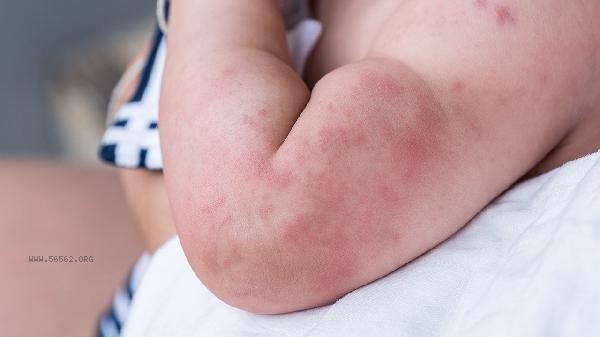
Traditional Chinese medicine treatment requires continuous observation of efficacy for more than one month, and the frequency and triggering factors of wheals should be recorded during the treatment period. Maintain a regular daily routine, wear loose cotton clothing to reduce friction, avoid excessive bathing and the use of alkaline cleaners. If there is an emergency such as laryngeal edema, immediate Western medicine intervention is needed. The combination of traditional Chinese and Western medicine can improve the control rate of refractory urticaria.





Comments (0)
Leave a Comment
No comments yet
Be the first to share your thoughts!