
The entry physical examination usually includes basic physical examination, laboratory examination, and imaging examination. The basic physical examination items mainly include height, weight, blood pressure measurement, physician consultation, and physical palpation. Height and weight are used to calculate body mass index to assess nutritional status, blood pressure measurement to screen for hypertension risk, physician consultation to understand past and family medical history, and physical palpation to examine the condition of superficial organs such as skin, lymph nodes, and thyroid. The laboratory examination items include blood routine, urine routine, liver function, kidney function, blood glucose and lipid testing. Blood routine examination focuses on the number of red blood cells, white blood cells, and platelets, while urine routine examination examines the appearance, specific gravity, and chemical composition of urine. Liver and kidney function reflects the metabolic status of the body, and blood glucose and lipid testing helps detect metabolic abnormalities. Imaging examinations mainly include chest X-rays and abdominal B-ultrasound. Chest X-rays screen for lung diseases, while abdominal B-ultrasound examines the morphology and structure of organs such as liver, gallbladder, pancreas, and spleen. Special posts may increase ECG examination to assess cardiac function, or increase infectious disease screening, such as hepatitis B surface antigen detection. If necessary, conduct occupational disease hazard factor related inspections according to job requirements.
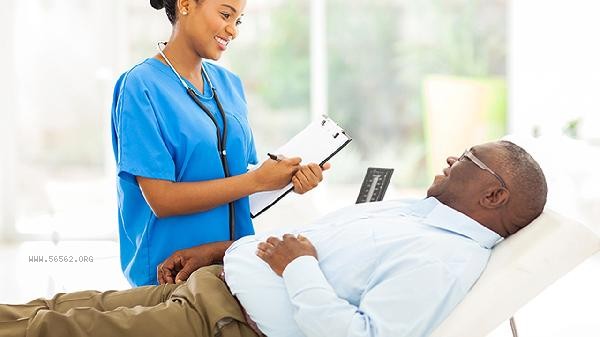
Before the physical examination for employment, it is important to maintain a normal diet and daily routine, avoid vigorous exercise and alcohol consumption, and women should avoid their menstrual period. On the day of the physical examination, it is necessary to fast for 8-12 hours, wear loose clothing for easy examination, and carry identification documents and medical records. If you have chronic diseases or are taking medication, you should inform the doctor in advance and cooperate with the doctor's guidance to complete various items during the examination process.








Comments (0)
Leave a Comment
No comments yet
Be the first to share your thoughts!