
Children's physical examination usually includes multiple items such as physical examination, laboratory examination, imaging examination, etc. The routine items mainly include height and weight measurement, vision screening, blood routine test, urine routine test, bone density test, and five items of hepatitis B.
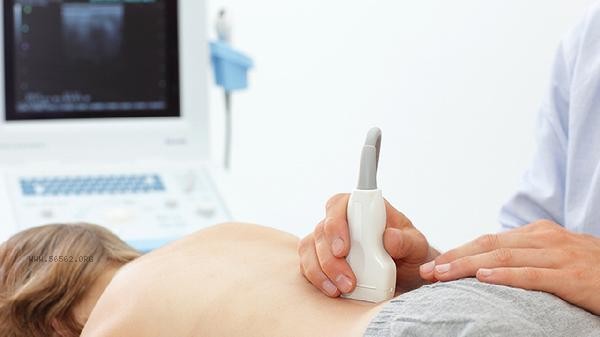
1. Physical examination
evaluates whether the growth curve meets the standard by measuring height, weight, head circumference, etc., and monitors physical development. Doctors will observe the development of the skin, limbs, and spine for any abnormalities, perform cardiopulmonary auscultation and abdominal palpation, and screen for congenital heart disease, hernias, and other diseases. Infants under 1 year old should focus on checking the closure of the fontanelle.
2. Vision screening
uses a visual acuity chart or electronic screening device to detect visual development and screen for issues such as myopia, hyperopia, and astigmatism. Children over 3 years old are recommended to undergo annual follow-up examinations. If any visual abnormalities are found, they should be promptly referred to the ophthalmology department for further examination. Premature infants or children with a family history of eye diseases need to increase screening frequency.
3. Blood routine
uses fingertip blood collection to detect indicators such as hemoglobin and red blood cell count, and screen for diseases such as anemia and infection. Iron deficiency anemia is more common in preschool children, characterized by pale complexion and easy fatigue. Children in areas with high incidence of thalassemia need to undergo additional hemoglobin electrophoresis testing.

4. Urine routine
detects indicators such as urine density, protein, and occult blood to preliminarily evaluate kidney and metabolic function. Children with urinary tract infections may experience symptoms of frequent urination, urgency, and elevated white blood cells on urine microscopy. Children with abnormal urination or enuresis should pay close attention to this result.
5. Bone density testing
uses ultrasound or X-ray to measure the density of the radius or heel bone and evaluate the calcium absorption status. Children with vitamin D deficiency rickets may exhibit signs such as craniofacial and rib bead formation. It is recommended to regularly monitor premature infants, low birth weight infants, and children with insufficient exposure to sunlight. After the physical examination of children, a complete report should be kept for dynamic comparison of data changes. If any abnormal indicators are found, they should be followed by medical advice for re examination or specialized treatment. In daily life, it is necessary to ensure a balanced diet, supplement vitamin D and calcium in moderation, engage in outdoor exercise to promote bone development, and control the use of electronic screens to protect vision. Parents should regularly record their children's growth curves, pay attention to observing abnormal daily behavior, and receive vaccinations on time.









Comments (0)
Leave a Comment
No comments yet
Be the first to share your thoughts!