
Physical examination usually includes basic items such as blood routine, urine routine, liver function, kidney function, blood glucose, blood lipids, electrocardiogram, chest X-ray, abdominal ultrasound, as well as specialized examinations customized according to age and gender.

1. Blood routine examination
Blood routine examination mainly detects indicators such as red blood cells, white blood cells, platelets, etc., which can help detect anemia, infections, or blood system diseases. Before the examination, it is necessary to fast for 8 hours to avoid vigorous exercise that may affect the results.
2. Routine urine
Routine urine can screen urinary diseases, diabetes, etc. by analyzing the color, specific gravity, pH and composition of urine. It is best to collect mid morning urine, and women should avoid the menstrual period.
3. Liver function
Liver function tests include indicators such as transaminase, bilirubin, protein, etc., to evaluate liver metabolism and detoxification function. Three days before the examination, alcohol should be prohibited to avoid high-fat diet affecting data accuracy.

4. Electrocardiogram
The electrocardiogram records the electrical activity of the heart and can detect problems such as arrhythmia and myocardial ischemia. Keep calm during inspection, as metal jewelry may interfere with the test results.
5. Chest X-ray
Chest X-ray can display lung inflammation, tuberculosis, tumors and other lesions, and is an important means of screening for respiratory system diseases. Pregnant women should inform their doctors in advance and switch to other examination methods if necessary.
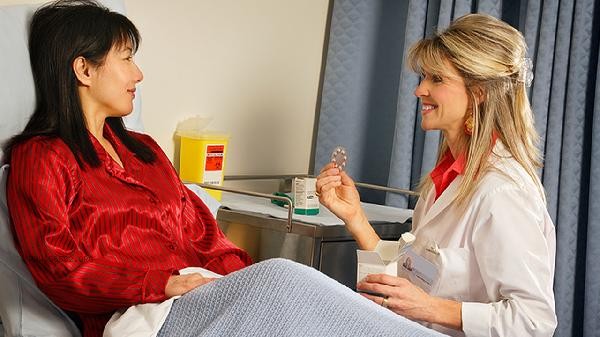
The selection of physical examination items should be based on individual age, gender, family history, and occupational characteristics. It is recommended to increase tumor marker screening for those over 40 years old, and cervical spine examination can be added for long-term desk workers. Regular physical examinations can help detect health hazards early. Three days before the examination, maintain a light diet, avoid staying up late and overexertion, and ensure that the results accurately reflect the physical condition.








Comments (0)
Leave a Comment
No comments yet
Be the first to share your thoughts!