
High blood pressure may lead to cardiovascular and cerebrovascular diseases, kidney damage, and vision problems, which can be life-threatening in severe cases. Controlling blood pressure requires medication treatment, dietary adjustments, and lifestyle improvements.
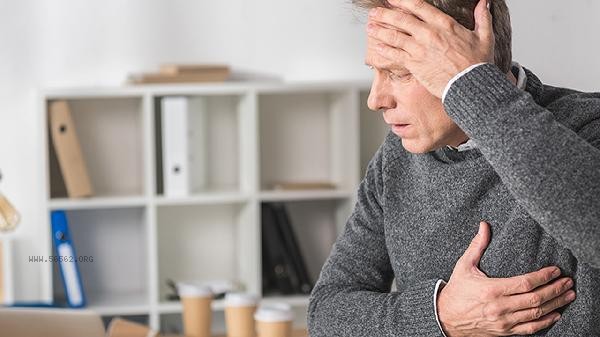
1. Cardiovascular and cerebrovascular diseases. Long term hypertension can increase the burden on the heart, leading to heart problems such as myocardial hypertrophy and heart failure. At the same time, hypertension will damage vascular endothelium, accelerate atherosclerosis, and increase the risk of stroke and myocardial infarction. Patients may experience symptoms such as headache, dizziness, and chest tightness, which can be life-threatening in severe cases. Blood pressure can be controlled through medications such as nifedipine, amlodipine, and enalapril, combined with a low salt diet and moderate exercise.
2. Renal injury. Hypertension can lead to an increase in glomerular pressure, long-term damage to kidney function, and ultimately may develop into chronic kidney disease or even kidney failure. Patients may experience symptoms such as proteinuria and increased nocturia. Protecting the kidneys requires controlling blood pressure, using medications such as valsartan, losartan, and benazepril, while reducing high protein diets and avoiding overexertion.

3. Visual problems. Hypertension can cause retinal vascular disease, leading to decreased vision and even blindness. Patients may experience symptoms such as blurred vision and black shadows in front of their eyes. Regularly checking the fundus and controlling blood pressure are key. Medications such as labetalol, carvedilol, and metoprolol can be used for treatment, while avoiding prolonged eye use and maintaining a good sleep routine. High blood pressure has a serious impact on multiple organ systems throughout the body, and timely intervention is crucial. Through medication treatment, healthy diet, and lifestyle adjustments, blood pressure can be effectively controlled and the risk of complications can be reduced. Regular monitoring of blood pressure, taking medication according to medical advice, and maintaining healthy lifestyle habits are key to preventing and treating hypertension.









Comments (0)
Leave a Comment
No comments yet
Be the first to share your thoughts!