
Frequent hypotension may lead to dizziness, fatigue, lack of concentration, and in severe cases, may cause health problems such as fainting and insufficient blood supply to organs. Common causes of hypotension include genetics, environmental factors, physiological changes, drug effects, and chronic diseases. The methods to improve low blood pressure include adjusting diet, increasing exercise, medication treatment, and regular monitoring.
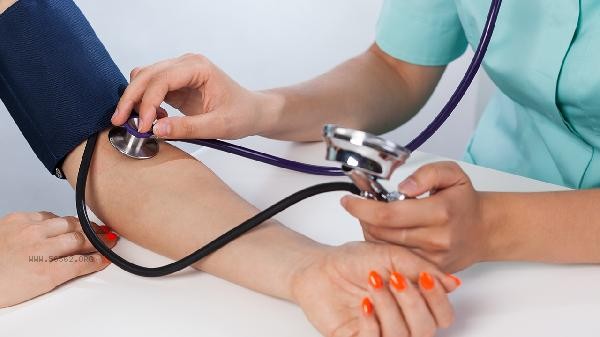
1. Genetic factors. Hypotension may be related to family genetics, as some individuals are born with low blood pressure. For this situation, it is recommended to regularly monitor blood pressure and avoid sudden changes in position, such as quickly getting up from a lying position, to reduce the occurrence of dizziness.
2. Environmental factors. High temperature and high humidity environments may cause vasodilation and a decrease in blood pressure. It is recommended to drink plenty of water in hot weather, avoid prolonged exposure to high temperatures, and supplement electrolytes appropriately, such as drinking salty beverages.
3. Physiological changes. Women may experience blood pressure fluctuations, especially hypotension, during their menstrual period or pregnancy. It is recommended that this group of people maintain a regular daily routine, avoid overexertion, and increase their intake of iron rich foods such as lean meat and spinach.
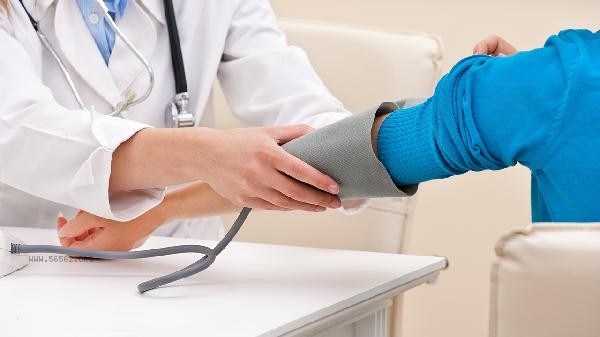
4. Drug effects. Certain medications such as antihypertensive drugs and antidepressants may cause low blood pressure. If you suspect that medication is causing hypotension, you should communicate with a doctor in a timely manner to adjust the medication dosage or replace the medication.
5. Chronic diseases. Hypothyroidism, heart disease, and other diseases may cause hypotension. For such patients, it is necessary to actively treat the primary disease, undergo regular follow-up examinations, and intervene with medication if necessary.
Dietary recommendations for improving low blood pressure include increasing salt intake, drinking plenty of water, and supplementing foods rich in vitamin B12 and folate, such as eggs, milk, and leafy vegetables. In terms of exercise, it is recommended to engage in moderate aerobic activities such as walking, swimming, and yoga to enhance cardiovascular function. In terms of medication treatment, doctors may prescribe drugs such as dexamethasone and midodrine, depending on individual circumstances. Regular monitoring of blood pressure is an important measure to prevent complications of hypotension. It is recommended to equip a blood pressure monitor at home, record daily changes in blood pressure, and seek medical attention promptly if any abnormalities are detected. For patients with severe hypotension, further examinations such as electrocardiograms, echocardiograms, etc. may be necessary to rule out potential diseases. Frequent hypotension should not be ignored and targeted measures should be taken based on specific causes. By adjusting lifestyle, reasonable diet, moderate exercise, and necessary medication treatment, it is possible to effectively improve symptoms of low blood pressure and reduce health risks. Regular monitoring of blood pressure and timely detection of abnormalities are important steps in maintaining health.








Comments (0)
Leave a Comment
No comments yet
Be the first to share your thoughts!