
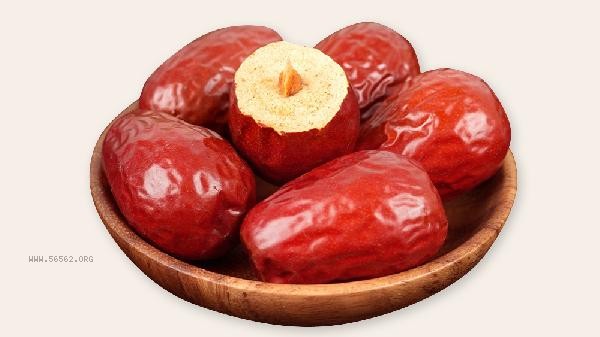
Eating jujubes regularly can help supplement nutrition and regulate the spleen and stomach, but excessive consumption may cause gastrointestinal discomfort or blood sugar fluctuations, mainly affecting nutrition supplementation, qi and blood regulation, digestive burden, blood sugar control, and dental health.
1. Nutritional Supplement
Jujube is rich in vitamin C, vitamin P, and various minerals. Moderate consumption can help the body supplement the trace elements needed for daily life and enhance the body's immunity. For people with weak constitution or in the recovery period, jujube provides energy and nutrients that help improve fatigue and promote physical function recovery, making it a high-quality natural source of nutrition in daily diet.
2. Qi and blood regulation
In traditional Chinese medicine theory, jujube has the effects of nourishing the middle and qi, nourishing blood and calming the mind. It is commonly used to assist in improving symptoms of insufficient qi and blood such as pale complexion, palpitations and insomnia. By regulating the function of the spleen and stomach, jujube can promote blood production and help alleviate dizziness and fatigue caused by anemia. It is suitable for women as a dietary supplement after menstruation or childbirth to maintain a good state of qi and blood.
3. Digestive burden
Jujube peel has a high fiber content and a hard texture. If eaten too much or chewed insufficiently at once, it can easily increase the burden of gastrointestinal peristalsis, leading to bloating, abdominal pain, or indigestion. Especially for elderly people and children who suffer from chronic gastritis, gastric ulcers, or weak digestive function, excessive consumption may stimulate the gastric mucosa, cause stomach discomfort, and even worsen the original condition.
4. Blood sugar control
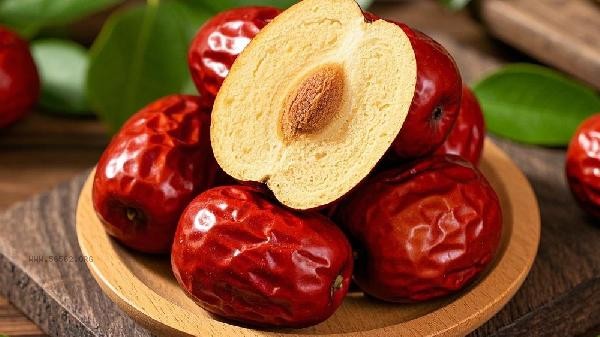
Jujube has a relatively high sugar content, mainly including glucose, fructose, and sucrose. Rapid absorption can cause a significant increase in blood sugar levels. If people with diabetes or insulin resistance take it frequently without restraint, it may lead to excessive fluctuations in blood sugar, which is not conducive to the stability of the disease. This group of people should strictly limit their intake and it is recommended to taste a small amount between meals to avoid eating on an empty stomach.
5. Dental Health
Due to the sticky texture and high sugar content of jujube, it is easy to adhere to the surface and gaps of teeth after consumption. If not cleaned in time, it can provide a breeding ground for oral bacteria, produce acidic substances that corrode enamel, and may lead to dental caries or periodontal disease in the long run. It is recommended to rinse or brush your teeth promptly after consuming jujubes to reduce potential damage to teeth caused by residual sugar.

When consuming jujubes in daily life, attention should be paid to the principle of moderation. Generally, adults can meet their nutritional needs by eating three to five jujubes a day, and avoid overeating and chewing too much. When eating, try to chew and swallow slowly to reduce gastrointestinal and digestive pressure. At the same time, pay attention to oral hygiene and clean up oral residues in a timely manner after eating. For people suffering from diabetes, gastrointestinal diseases or damp heat constitution, the diet plan should be adjusted under the guidance of professional doctors or nutritionists. Do not blindly supplement to avoid adverse effects on health.



Comments (0)
Leave a Comment
No comments yet
Be the first to share your thoughts!