
Work physical examination usually includes physical examination, laboratory examination, imaging examination, functional examination, and occupational health special examination, and specific items may vary depending on the type of occupation and the requirements of the employer.
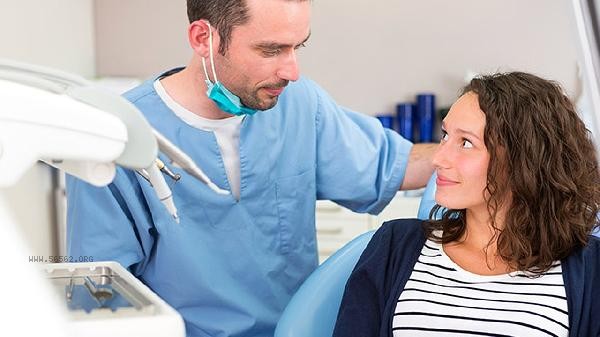
1. Physical Examination
Physical examination is a basic item, covering measurements of vital signs such as height, weight, blood pressure, pulse, as well as internal medicine cardiopulmonary auscultation, abdominal palpation, surgical skin lymph node examination, and facial vision and hearing screening. Some special positions may increase specialized examinations such as spinal and limb mobility, nervous system reflexes, etc. For example, drivers need to focus on assessing limb coordination.
II. Laboratory examination
Routine laboratory examination includes five basic indicators such as blood routine examination, urine routine examination, liver function, kidney function, blood sugar and hepatitis B. Posts exposed to chemical toxins may increase occupational disease screening for blood lead, urine mercury, etc. The catering industry requires additional fecal routine and Helicobacter pylori testing. Some companies may include advanced projects such as tumor markers.
III. Imaging Examination
Chest X-ray is a mandatory item for screening infectious diseases such as tuberculosis. Some companies may require abdominal ultrasound examination of the liver, gallbladder, pancreas, and spleen. High radiation positions may increase the analysis of chromosomal abnormalities in peripheral blood lymphocytes. Heavy labor workers need to undergo imaging evaluations of the lumbar spine or joint areas according to the situation.

4. Functional examination
electrocardiogram examination is a routine item, and pure tone audiometry should be added in noisy working environments. High temperature working positions include heat load testing. Some companies will arrange lung function testing to evaluate the respiratory system status, and special visual function tests such as dynamic vision and night vision need to be added to driving positions.
V. Occupational Health Special
Special examinations for occupational exposure risks, such as pneumoconiosis screening for dust workers, bone marrow hematopoietic function assessment for exposure to benzene compounds, and crystal morphology examination for ionizing radiation workers. Psychological assessment has gradually become a routine project in high-pressure positions, including anxiety and depression scales and occupational burnout assessments. If any abnormal indicators are found after the work physical examination, it is recommended to follow the doctor's guidance for re examination or specialized diagnosis and treatment. It is necessary to maintain a regular schedule and balanced diet in daily life, avoid overwork, strictly take protective measures when exposed to occupational hazards, and regularly participate in health education activities organized by the employer. The physical examination report should be properly preserved as an important component of the health record.









Comments (0)
Leave a Comment
No comments yet
Be the first to share your thoughts!