
Traditional Chinese medicine health preservation mainly includes five aspects: emotional regulation, dietary regulation, daily living regulation, exercise health, and medication regulation.
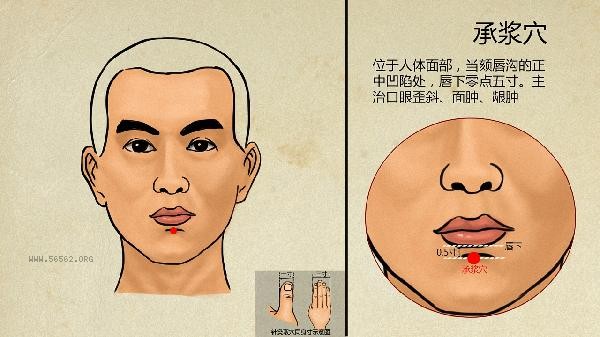
1. Emotional regulation
Emotional regulation emphasizes maintaining emotional calmness and avoiding excessive emotions such as joy, anger, worry, sadness, and fear. Traditional Chinese medicine believes that excessive seven emotions can damage the five organs, such as anger damaging the liver, joy and sadness. The pressure can be relieved by sitting and meditating, playing chess, calligraphy and painting, and when necessary, it can be coordinated with acupuncture and moxibustion at Taichong, Hegu and other acupoints to regulate qi. Long term emotional disorders may lead to symptoms such as insomnia and hypochondria, which require intervention with traditional Chinese medicine for soothing the liver and relieving depression.
II. Dietary Maintenance
Dietary maintenance follows the theory of four qi and five flavors, and selects warm or cold ingredients according to physical constitution. People with yang deficiency should eat ginger and lamb as warm and nourishing foods, while those with yin deficiency can choose silver ear and lily to nourish yin. Pay attention to diet, avoid overeating, recommend yam, poria cocos, Congee and other Tonic Diet to regulate the spleen and stomach. In summer, you can drink chrysanthemum and wolfberry tea to clear the liver and improve vision. In winter, it is suitable for Danggui ginger lamb soup to warm and nourish qi and blood.
III. Daily Care
Daily care requires adapting to the changes of yin and yang in the four seasons, staying up late and getting up early in spring, and sleeping in early and getting up late in winter. Maintain a regular daily routine and avoid staying up late, which can damage yin blood. Pay attention to keeping warm and keeping warm, especially protecting important acupoints such as the Gate of Life and the Divine Que. The living environment needs to be ventilated and moisture-proof. You can smoke moxa sticks to remove moisture and drive away evil. Soak your feet in Sichuan pepper water before going to bed to promote blood circulation.
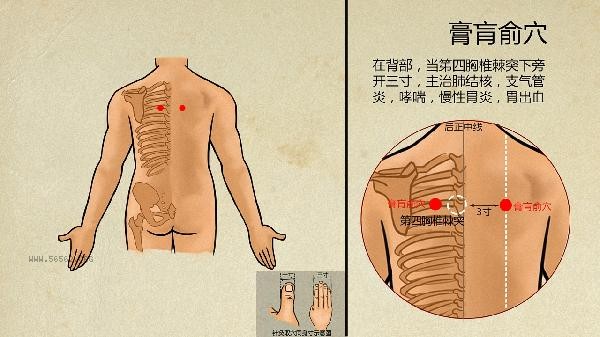
4. Sports Health
Sports health recommends gentle exercises such as Tai Chi and Baduanjin, with a slight sweating rate. Wuqinxi can regulate the function of internal organs, and Yijinjing can strengthen muscles and bones. Avoid strenuous exercise that consumes energy, and avoid drinking cold immediately after exercise. In the morning, you can do the kowtow and throat stimulation technique, and at night, practice the relaxation technique to help you sleep. Long term persistence can improve the circulation of qi and blood and prevent joint stiffness.
V. Medication Adjustment
Medication adjustment should be treated based on syndrome differentiation. For those with qi deficiency, Si Jun Zi Tang can be taken, and for those with blood deficiency, Si Wu Tang can be used. For daily health care, substitute tea drinks such as goji berries and astragalus can be used, and the ointment formula is suitable for winter supplementation. External treatment methods include moxibustion at Guanyuan acupoint to nourish and replenish qi, and applying Sanfu plaster to prevent and treat winter diseases. Use traditional Chinese medicine according to medical advice to avoid adverse reactions caused by self compatibility.
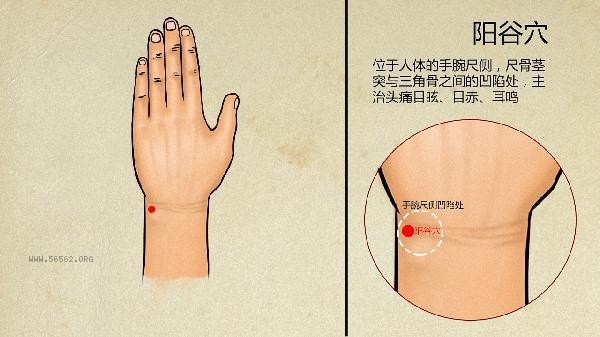
Traditional Chinese Medicine emphasizes the importance of personalized health plans based on individual needs, time, and local conditions, and needs to be developed in conjunction with constitution identification. It is recommended to maintain moderate exercise, such as taking a 30 minute walk every day, and pay attention to the combination of coarse and fine foods in diet. You can also consume brain boosting ingredients such as walnuts and black sesame in moderation. Avoid excessive reliance on health supplements and practice breathing and breathing techniques when experiencing emotional distress. When obvious discomfort symptoms appear, timely medical treatment should be sought, and systematic adjustment should be carried out under the guidance of professional traditional Chinese medicine practitioners. Do not blindly self diagnose and self regulate.





Comments (0)
Leave a Comment
No comments yet
Be the first to share your thoughts!