
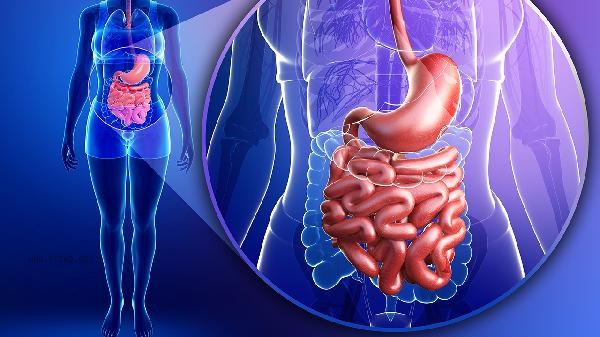
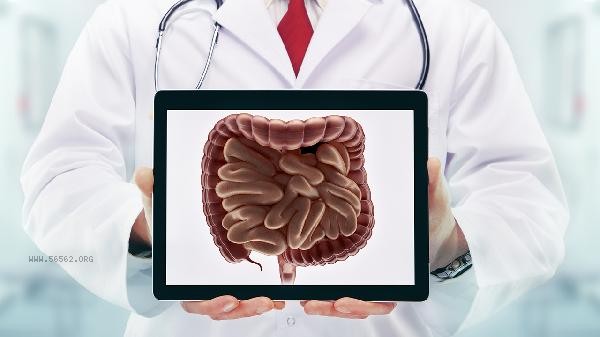
Traditional Chinese medicine has the advantages of overall regulation, minimal side effects, and personalized treatment for irritable bowel syndrome. Irritable bowel syndrome is a functional gastrointestinal disease characterized by symptoms such as abdominal pain, bloating, diarrhea, or constipation. Traditional Chinese medicine can effectively alleviate symptoms and improve physical fitness through syndrome differentiation and treatment.
1. Overall regulation
Traditional Chinese medicine believes that irritable bowel syndrome is related to liver and spleen dysfunction and poor qi circulation. Treatment not only targets intestinal symptoms, but also pays attention to regulating the balance of qi, blood, yin and yang throughout the body. For example, for patients with liver depression and spleen deficiency, the method of soothing the liver and strengthening the spleen can be used, and commonly used formulas such as the Pain and Diarrhea Formula can be modified to improve both emotional anxiety and digestive function. This holistic approach helps to reduce the probability of recurrence.
2. Small side effects
Traditional Chinese medicine formulas often use natural medicinal herbs in combination, such as Atractylodes macrocephala, Poria cocos, Chenpi, etc., which are less likely to cause drug resistance or gut microbiota disorders compared to Western medicine. For patients with diarrhea as the main type, formulas such as Shen Ling Bai Zhu San can gently stop diarrhea without causing constipation rebound, and are suitable for long-term conditioning use.
3. Individualized treatment
Traditional Chinese medicine treats patients based on their syndrome types. For example, for the spleen deficiency and dampness excess type, Shen Ling Bai Zhu San is used; for the cold and heat mixed type, Wu Mei Wan is used; and for the liver qi invading the stomach type, Chai Hu Shu Gan San is used. Through personalized diagnosis such as pulse diagnosis and tongue diagnosis, accurate matching of prescriptions can be achieved, avoiding the limitations of one prescription for thousands of people. Clinically, dietary taboos are often recommended, such as avoiding spicy and greasy foods in cases of damp heat.
4. Stable symptom control
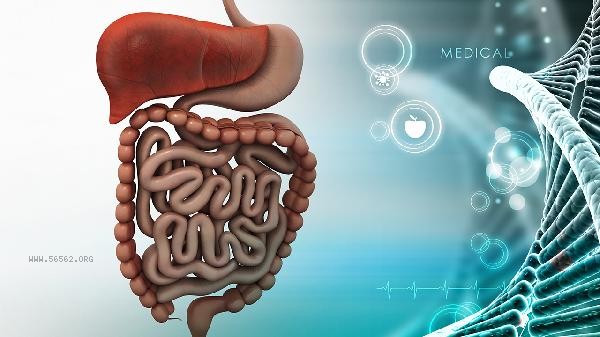
acupuncture and moxibustion therapy has a significant effect on abdominal pain and distention. Common acupoints such as Zusanli, Tianshu, Zhongwan, etc. alleviate intestinal spasm by regulating autonomic nervous function. Research has shown that moxibustion at the Shenque acupoint can improve the stool consistency of patients with diarrhea, and the therapeutic effect is long-lasting. It is more effective when used in combination with medication.
5. Improvement of constitution
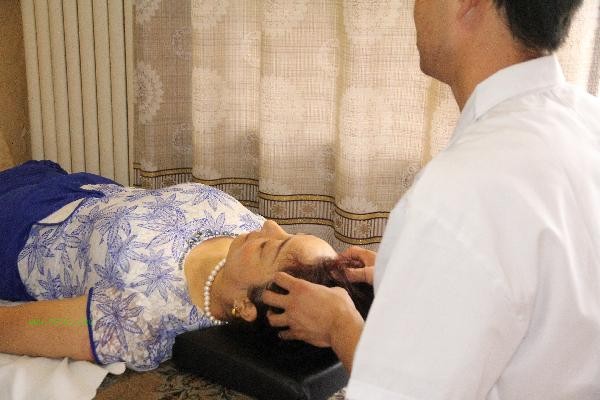
Long term traditional Chinese medicine regulation can correct constitution biases such as spleen deficiency and yang deficiency. For example, Fuzi Lizhong Wan is suitable for patients with spleen and stomach deficiency cold type, which can enhance digestive function. Combined with guidance techniques such as Ba Duan Jin and Tai Chi, the operation of qi can be further regulated, fundamentally reducing the frequency of symptom onset. Patients with irritable bowel syndrome should maintain a regular daily routine to avoid overexertion and mental stress. It is recommended to adopt a low FODMAP diet in terms of diet, limit gas producing foods such as beans and dairy products, and consume spleen strengthening ingredients such as yam and lotus seeds in moderation. During acute attacks of symptoms, hot compress can be applied to the abdomen. If there are warning symptoms such as weight loss or bloody stools, medical attention should be sought in a timely manner. During traditional Chinese medicine treatment, regular follow-up visits are necessary to adjust the prescription and avoid adjusting the dosage on one's own.





Comments (0)
Leave a Comment
No comments yet
Be the first to share your thoughts!