
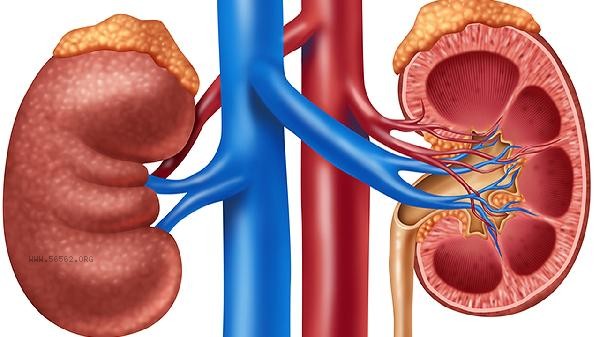
Hypertensive nephropathy can be comprehensively regulated by combining traditional Chinese medicine diagnosis and treatment with lifestyle interventions. Traditional Chinese medicine treatment mainly includes Chinese medicine decoction, acupuncture and moxibustion, massage, dietotherapy, Qigong guidance, etc. Hypertensive nephropathy is often caused by pathological mechanisms such as liver and kidney yin deficiency, phlegm and dampness resistance, qi stagnation and blood stasis, and requires individualized treatment under the guidance of professional traditional Chinese medicine practitioners.
1. Traditional Chinese Medicine Decoction
Different formulas are selected according to the syndrome type. For liver and kidney yin deficiency type, Qiju Dihuang Pill is commonly used with modifications, containing medicinal herbs such as wolfberry, chrysanthemum, and Rehmannia glutinosa; Phlegm dampness resistance type can be treated with Banxia Baizhu Tianma Tang, which contains ingredients such as Banxia, Baizhu, Tianma, etc; Recommended for Qi stagnation and blood stasis type is Xuefu Zhuyu Tang, which contains blood activating herbs such as peach kernels, safflower, and angelica. It should be noted that traditional Chinese medicine should be prescribed by a Chinese medicine practitioner based on syndrome differentiation, and self compatibility should be avoided. Some patients may experience gastrointestinal discomfort, and it is recommended to warm up after meals.
2. acupuncture and moxibustion therapy
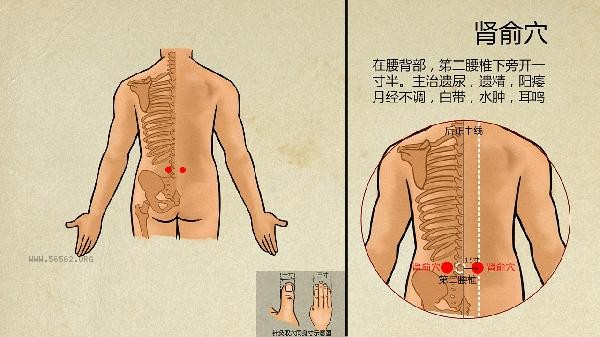
Often select Taixi, Sanyinjiao, Zusanli and other acupoints to nourish the kidney and calm the liver, and coordinate with Baihui and Fengchi to regulate blood pressure. Acupuncture and moxibustion once every other day, 10 times as a course of treatment, can improve renal blood flow perfusion. Acupuncture and moxibustion may cause local acid swelling or slight bleeding. Those with coagulation dysfunction should use it cautiously. Clinical research shows that acupuncture and moxibustion can help reduce microalbuminuria.
3. Tuina Massage
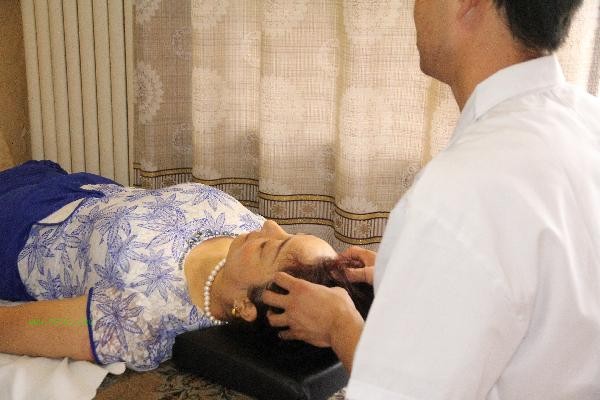
adopts the technique of kidney meridian massage, pressing along the Foot Shaoyin Kidney Meridian, with a focus on stimulating acupoints such as Yongquan and Zhaohai. Three times a week, with the help of abdominal massage, the air flow can be adjusted. The massage force should be gentle to avoid violent techniques that increase the burden on the kidneys. After massage, drinking an appropriate amount of warm water can promote the excretion of metabolic waste.
4. Dietotherapy conditioning
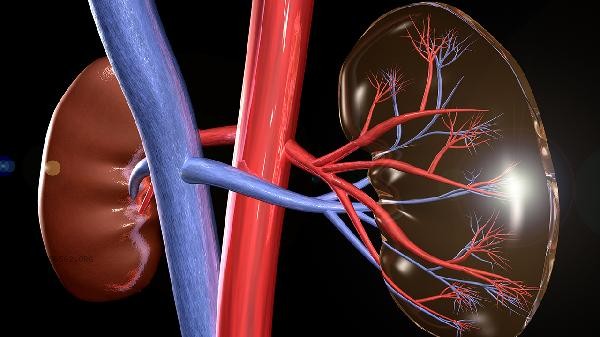
It is recommended that black bean and coix seed Congee (30g black bean and 50g coix seed) be used to promote water and moisture infiltration, celery juice (200g fresh celery juice) be used to calm liver and blood pressure, and Chinese yam and Chinese wolfberry soup (100g fresh yam and 15g Chinese wolfberry) be used to tonify spleen and kidney. Once a day, consume continuously for one month. The consumption of job's tears should be reduced for those with damp heat constitution, and the intake of Congee should be controlled for those with diabetes.
5. Qigong guidance
Practice the Eight Section Brocade "Two Hand Climbing Foot Strengthening Kidney and Waist" movement or the Six Character Formula "Blowing" skill, practice for 30 minutes every morning, and improve kidney qi circulation by regulating breathing and exhaling. During practice, it is necessary to maintain a quiet environment and breathe evenly and deeply. Individuals with severe renal insufficiency should avoid excessive bending movements. During the implementation of traditional Chinese medicine treatment for hypertensive nephropathy patients, it is necessary to regularly monitor blood pressure and renal function indicators, maintain a daily salt intake of less than 5 grams, and engage in low-intensity exercises such as walking and Tai Chi. Pay attention to the degree of edema and changes in urine output. If there is obvious fatigue or nausea and vomiting, seek medical attention promptly. Traditional Chinese medicine treatment needs to be persisted for more than 3 months to show results, and antihypertensive drugs cannot be stopped without authorization. All treatment plans must be carried out under the guidance of a traditional Chinese medicine nephrologist.





Comments (0)
Leave a Comment
No comments yet
Be the first to share your thoughts!