
Connective tissue disease can be treated through TCM syndrome differentiation, oral administration of Chinese medicine, acupuncture and moxibustion, massage, diet conditioning and other methods. Connective tissue disease may be related to immune abnormalities, genetic factors, environmental stimuli, infection induction, qi and blood imbalance, etc. It usually manifests as symptoms such as joint swelling and pain, skin hardening, Raynaud's phenomenon, muscle weakness, and visceral damage.
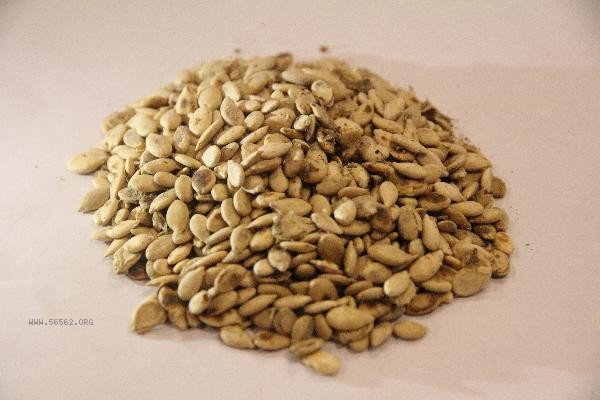
1. Traditional Chinese Medicine Diagnosis and Treatment
Different prescriptions are selected according to the syndrome type, such as Si Miao San modified for damp heat obstruction syndrome, and Wu Tou Tang for cold dampness obstruction syndrome. Traditional Chinese medicine practitioners need to judge deficiency, excess, cold, and heat through observation, smelling, questioning, and cutting. Common subtypes include liver and kidney yin deficiency, spleen and kidney yang deficiency, etc. During treatment, it is necessary to dynamically adjust the prescription to avoid long-term use of toxic medicinal herbs such as Tripterygium wilfordii.
II. Oral administration of traditional Chinese medicine
Huangqi Guizhi Wuwu Tang is commonly used to improve microcirculation, Duhuo Jishi Tang to dispel wind and dampness, and Taohong Siwu Tang to promote blood circulation and remove blood stasis. Leigongteng polysaccharide tablets can regulate immunity, but liver and kidney function needs to be monitored. Baishao total glycoside capsules can alleviate joint symptoms. The traditional Chinese medicine treatment usually takes 3-6 months, and during the medication period, avoid eating raw, cold, spicy food.
III. acupuncture and moxibustion therapy
Select Zusanli, Guanyuan, Shenshu and other acupoints to warm and nourish the spleen and kidney, and cooperate with Ashi to relieve local pain. Rheumatoid arthritis can be treated with the addition of Dazhui and Quchi, while systemic sclerosis focuses on Xuehai and Sanyin. Moxibustion is suitable for cold syndrome, while electroacupuncture is more suitable for heat syndrome, treated 2-3 times a week.
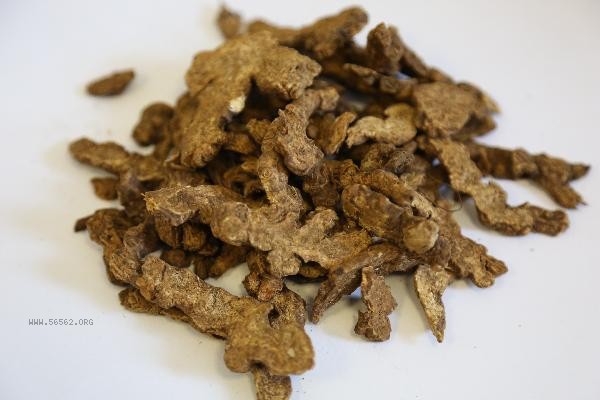
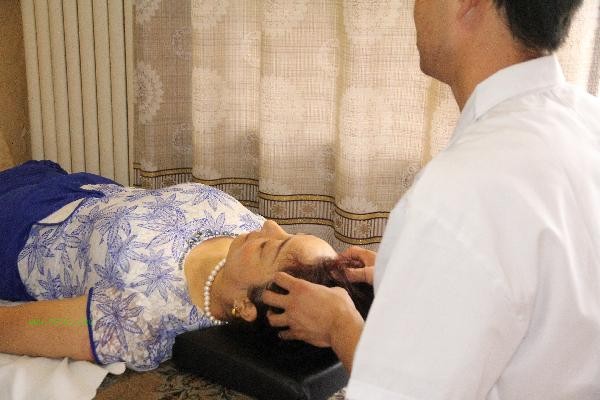
Fourth, Tuina Therapy
uses rolling and kneading methods to release fascial adhesions, and acupoints Yanglingquan and Weizhong to improve limb contractures. Systemic lupus erythematosus patients should avoid violent methods, and Sjogren's syndrome should be accompanied by salivary gland massage. Before and after treatment, traditional Chinese medicines such as Qianghuo and Chuanxiong can be fumigated to enhance the effect.
Fifth, Dietary Adjustment
Eat more yam and coix seed to strengthen the spleen and eliminate dampness, black beans and goji berries to nourish the liver and kidneys, and avoid seafood, lamb and other substances. Patients with scleroderma should use hawthorn and tangerine peel boiled in water instead of tea drinks. For those with Reynold's syndrome, Angelica sinensis ginger lamb soup can be used to warm the meridians and unblock the meridians. Diet should be selected based on the differentiation of physical constitution. Traditional Chinese medicine treatment needs to be persisted for more than 3 months to show significant effects, and during this period, anti nuclear antibody and other indicators should be regularly rechecked. During acute attacks, it is recommended to combine traditional Chinese and Western medicine for treatment. Daily attention should be paid to keeping joints warm and avoiding wind and cold, and moderate exercises such as Tai Chi and Eight Section Brocade should be maintained. Avoiding excessive fatigue and mental stress, and ensuring sufficient sleep can help restore positive energy. Emergency situations such as fever and difficulty breathing require immediate medical attention.





Comments (0)
Leave a Comment
No comments yet
Be the first to share your thoughts!