
The TCM treatment methods of OCD mainly include Chinese medicine conditioning, acupuncture and moxibustion treatment, massage, emotion regulation, Qigong guidance, etc. Obsessive Compulsive Disorder (OCD) belongs to the category of Traditional Chinese Medicine (TCM) depression syndrome, madness, etc. It is often related to factors such as liver depression and qi stagnation, phlegm fire disturbing the mind, and insufficient qi and blood, and requires differentiation and treatment.

1. Traditional Chinese Medicine Regulation
Traditional Chinese medicine commonly uses formulas for soothing the liver, relieving depression, resolving phlegm and opening the orifices, and nourishing qi and calming the nerves in the treatment of obsessive-compulsive disorder. For liver depression and qi stagnation type, Chaihu Shugan San can be modified. For phlegm fire disturbance type, Huanglian Wendan Tang is recommended. For qi and blood deficiency type, Guipi Tang is recommended. Specific medication needs to be prescribed by a traditional Chinese medicine practitioner based on tongue and pulse differentiation. Commonly used Chinese medicines include Chaihu, Baishao, Fuling, and Suanzaoren. Traditional Chinese medicine needs to be taken continuously for a period of time, and the effect is better when combined with emotional regulation.
2. acupuncture and moxibustion Treatment
acupuncture and moxibustion can regulate the movement of qi and blood by stimulating specific points to improve obsessive symptoms. The main acupoints are often selected from Baihui, Shenmen, Neiguan, Taichong, etc., and the matching acupoints are adjusted according to the syndrome type. For liver depression type, add liver shu and qi men; for phlegm heat type, add fenglong and zhongwan; for heart spleen deficiency type, add heart shu and spleen shu. It can be treated several times a week using methods such as filiform needle acupuncture, electroacupuncture, or moxibustion, and should be persisted for a period of time.
3. Tuina massage
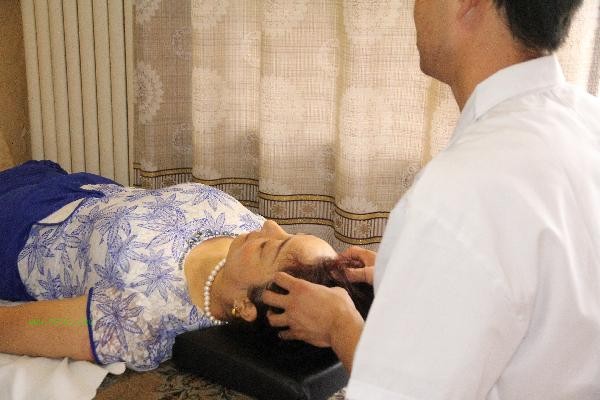
Tuina massage can unblock meridians, harmonize qi and blood, and assist in relieving obsessive-compulsive symptoms. Common techniques include acupressure of acupoints on the head, massage of the bladder meridian on the back, and massage of the meridians on the limbs. Focus on massaging acupoints such as Baihui, Taiyang, and Fengchi, combined with techniques such as abdominal massage and spinal pressure. Daily massage can be done by oneself or operated by a professional physician, and long-term persistence is necessary to achieve results.

4. Emotional regulation
Traditional Chinese medicine believes that emotional disorders are an important cause of obsessive-compulsive disorder and require attention to mental health. Attention can be diverted through the method of transferring emotions and cultivating refined interests such as music, chess, calligraphy, and painting; Apply the method of using emotions to overcome emotions, and use positive emotions to restrain compulsive thinking; Practicing meditation can help stabilize the mind. Family members should create a relaxed environment, avoid verbal stimulation, and cooperate with doctors for psychological counseling.
5. Qigong guidance
Qigong exercise can regulate the body and mind, and has an auxiliary therapeutic effect on obsessive-compulsive disorder. Recommend practicing traditional martial arts such as Ba Duan Jin and Wu Qin Xi, with a focus on regulating the body, breathing, and mind. Practice for half an hour every morning, with gentle and slow movements, accompanied by deep and long breathing. Long term persistence can improve qi and blood circulation, enhance self-control ability, and reduce the frequency of compulsive behavior.

Traditional Chinese medicine treatment for obsessive-compulsive disorder emphasizes overall regulation, requiring a combination of multiple methods and long-term adherence. During the treatment period, it is important to maintain a regular daily routine, avoid excessive fatigue, have a light and nutritious diet, and avoid spicy and stimulating foods. Properly engage in soothing exercises such as Tai Chi and walking, cultivate healthy interests and hobbies, and shift attention. If symptoms worsen or there is a tendency towards self harm, professional psychological intervention should be sought in a timely manner. Regular follow-up visits are required for traditional Chinese medicine treatment, and the prescription should be adjusted according to changes in the patient's condition.





Comments (0)
Leave a Comment
No comments yet
Be the first to share your thoughts!