
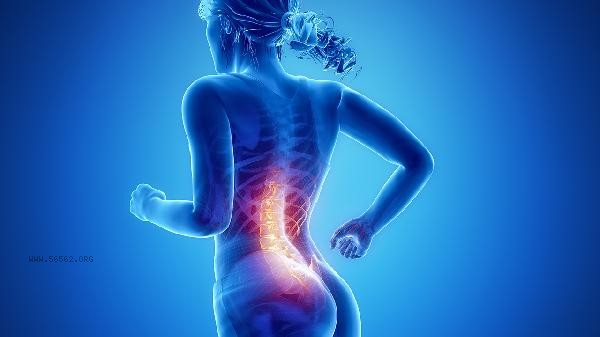
Lumbar disc herniation can be treated by taking Chinese medicine orally, acupuncture and moxibustion and massage, cupping therapy, functional exercise, and surgical intervention. Lumbar disc herniation is usually related to long-term strain, trauma, degenerative changes, invasion of cold and dampness, liver and kidney deficiency, and other factors, manifested as symptoms such as lower back pain, lower limb radiating pain, and limited mobility.

1. Oral administration of traditional Chinese medicine
Traditional Chinese medicine is commonly used for the treatment of lumbar disc herniation based on syndrome differentiation and classification, such as Duhuo Parasitic Decoction and Shengtong Zhuyu Decoction. Kidney deficiency type can be treated with modified Yougui Wan, while cold dampness type commonly uses Fuzi Tang combined with Guizhi Fuling Wan. Traditional Chinese medicine should be prescribed by a physician based on tongue and pulse differentiation. Common dosage forms include decoctions, pills, and granules, such as Yaotongning capsules, Biqi capsules, and Gentongping granules. During the medication period, it is necessary to avoid cold and greasy foods. Pregnant women and those with allergies should use with caution.
2. acupuncture and moxibustion and Massage
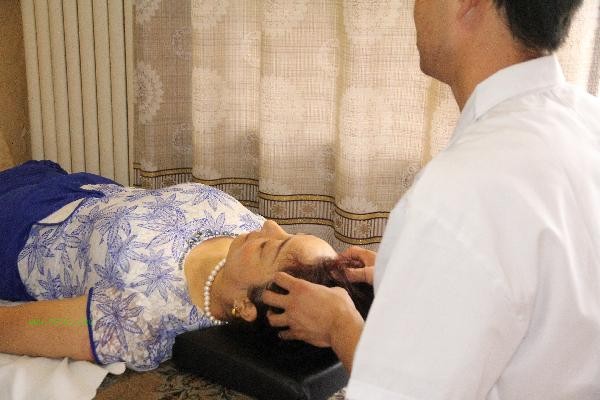
Acupuncture points are mainly the Foot Taiyang Bladder Meridian, commonly used at Shenshu, Dalianshu, Huantiao, Weizhong acupoints, combined with electroacupuncture or warm acupuncture and moxibustion to enhance the efficacy. Tuina uses rolling and pressing techniques to relax the muscles in the lower back, combined with oblique manipulation to adjust small joint disorders. During the acute phase, gentle techniques should be used to avoid violent massage. 10-15 treatments are considered as one course of treatment, and should be used with caution for severe osteoporosis or spinal stenosis.
3. Cupping therapy
involves flashing or leaving cupping in the area of lower back pain, combined with needling and cupping to remove blood stasis and promote blood circulation. The cupping method along the bladder meridian can improve local circulation, lasting 5-10 minutes each time. It is contraindicated for individuals with skin damage or coagulation dysfunction. Keep warm after cupping and avoid bathing for 6 hours. It can be performed alternately with acupuncture and moxibustion, 2-3 times a week.
4. Functional exercise
During the relief period, perform five point support method and flying swallow style isosceles back muscle training, combined with low impact exercises such as walking backwards and swimming. During the acute phase, ankle pump exercise can be performed to prevent thrombosis when bed rest is required. Exercise should be gradual and avoid excessive forward bending and rotation movements. Traditional techniques such as Tai Chi Eight Section Brocade can enhance the stability of core muscle groups.
5. Surgical intervention
When conservative treatment is ineffective or cauda equina syndrome occurs, minimally invasive surgeries such as endoscopic nucleus pulposus removal and laminectomy decompression may be considered. Postoperative combination of traditional Chinese medicine fumigation and acupoint application promotes recovery. Severe intervertebral disc prolapse with spinal stenosis may require interbody fusion surgery, and strict evaluation of surgical indications is necessary. Patients with lumbar disc herniation should sleep on a hard bed in daily life, avoid prolonged sitting, standing, and lifting heavy objects. Pay attention to keeping your waist warm and wear waist support. It is recommended to supplement calcium and vitamin D in diet, and consume kidney tonifying ingredients such as black sesame and walnuts in moderation. During the acute attack period, strict bed rest is required for 2-3 weeks, and activity should gradually resume after symptoms subside. If there is weakness in the lower limbs or dysfunction in urination and defecation, seek medical attention immediately.






Comments (0)
Leave a Comment
No comments yet
Be the first to share your thoughts!