
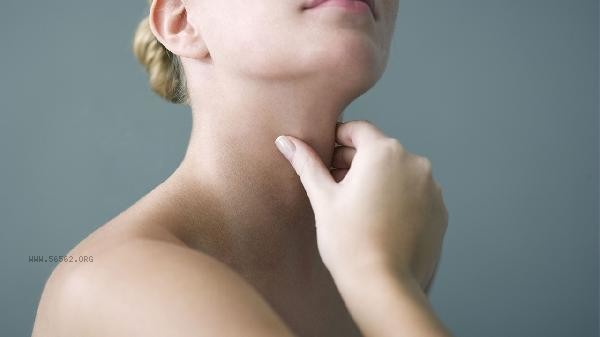
hypothyroidism can be treated by means of traditional Chinese medicine conditioning, acupuncture and moxibustion, moxibustion, massage, diet, etc. Hypothyroidism is usually caused by spleen and kidney yang deficiency, insufficient qi and blood, emotional disorders, external cold pathogens, drug damage, and other reasons.

1. Chinese medicine regulation
Chinese medicine regulation is the core method of treating hypothyroidism in traditional Chinese medicine, and commonly used formulas include Jin Kui Shen Qi Wan, You Gui Wan, Fu Zi Li Zhong Tang, etc. Jin Kui Shen Qi Wan can warm and tonify kidney yang, suitable for patients with kidney yang deficiency type hypothyroidism, manifested as symptoms such as chills, cold limbs, and soreness and weakness of the waist and knees. You Gui Wan has the effects of warming and tonifying kidney yang, replenishing essence and blood, and is more effective for patients with insufficient kidney yang and deficiency of essence and blood. Fuzi Lizhong Tang can warm the middle and dispel cold, suitable for spleen kidney yang deficiency type hypothyroidism. Common symptoms include decreased appetite, bloating, and loose stools. Traditional Chinese medicine conditioning should be carried out under the guidance of professional TCM practitioners to avoid self medication.
2. acupuncture and moxibustion therapy
acupuncture and moxibustion therapy regulates thyroid function by stimulating specific points. Common points include Guanyuan, Qihai, Zusanli, Shenshu, etc. Guanyuan acupoint has the function of warming and tonifying qi, Qihai acupoint can nourish qi and consolidate the foundation, Zusanli acupoint can invigorate the spleen and stomach, and Shenshu acupoint can warm and tonify kidney yang. Acupuncture and moxibustion treatment is usually performed 2-3 times a week, 10-15 times as a course of treatment. For patients with obvious yang deficiency, warm needle moxibustion can be used to enhance the efficacy. Acupuncture and moxibustion treatment should be performed by professional acupuncture and moxibustion. Pregnant women and those with bleeding tendency should use it with caution.
3. Moxibustion therapy
Moxibustion therapy uses the heat generated by the burning of moxa to stimulate acupoints, commonly used acupoints include Shenque, Mingmen, Dazhui, etc. Shenque acupoint moxibustion can warm and tonify the spleen and kidney yang qi, Mingmen acupoint moxibustion can strengthen yang and solidify the foundation, and Dazhui acupoint moxibustion can help enhance yang qi. Moxibustion can be done using ginger separated moxibustion or direct moxibustion, each time lasting 15-20 minutes, with local skin flushing as the degree. Moxibustion is particularly suitable for hypothyroidism patients with yang deficiency and fear of cold, but it is not suitable for those with yin deficiency and excessive fire. During moxibustion, attention should be paid to preventing burns and maintaining ventilation in the environment.

4. Tuina Massage
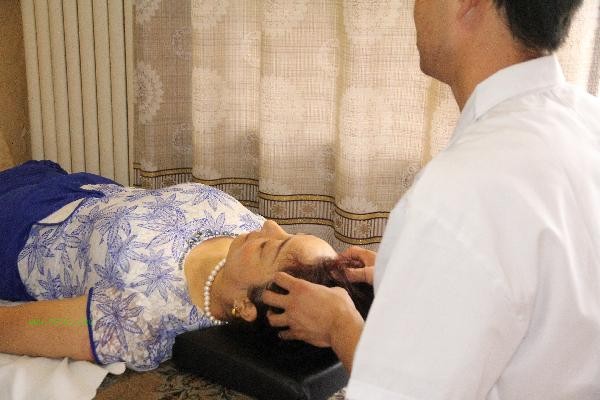
Tuina massage stimulates meridians and acupoints through manual techniques, improving the circulation of qi and blood. Common techniques include kneading, tuina, and acupressure, with a focus on massaging the bladder meridian and the Du meridian on the back. Tuina can promote local blood circulation, regulate endocrine function, and alleviate symptoms such as fatigue and muscle soreness caused by hypothyroidism. Self massage can be performed daily for 15-20 minutes each time, and professional massage is recommended 2-3 times a week. When massaging, the force should be moderate to avoid excessive force causing damage. After massage, it can be combined with hot compress to enhance the effect.
5. Dietary regulation
Dietary regulation emphasizes warming and tonifying the spleen and kidneys, and moderate consumption of warm foods such as lamb, chives, walnuts, and yam. Lamb has the effect of warming and replenishing qi and blood, chives can warm the kidneys and help yang, walnuts can nourish the kidneys and brain, and yams can invigorate the spleen and kidneys. Avoid raw and cold foods such as cold drinks, watermelon, etc. Moderate consumption of ginger and brown sugar water, as well as longan and red date tea as isothermal tonics. Diet should be regular and moderate, avoiding overeating. Patients with hypothyroidism have a lower metabolic rate and need to control their total calorie intake to prevent excessive weight gain. Besides traditional Chinese medicine treatment, patients with hypothyroidism should maintain a regular daily routine and avoid excessive fatigue. Moderate exercises such as Tai Chi and Baduanjin can help promote the circulation of qi and blood. Pay attention to keeping warm, especially in the waist, abdomen, and feet. Maintain a positive attitude and avoid long-term mental stress. Regular check ups of thyroid function, combined traditional Chinese and Western medicine treatment yields better results. If symptoms worsen or there is obvious discomfort, timely medical attention should be sought to adjust the treatment plan. During the treatment period, one should follow the doctor's advice and not stop taking medication or change the treatment plan without authorization.





Comments (0)
Leave a Comment
No comments yet
Be the first to share your thoughts!