
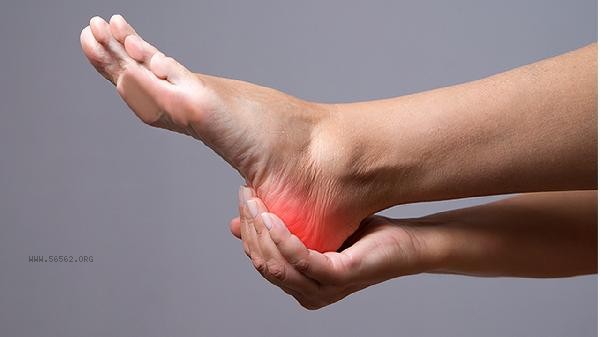
Heel pain can be relieved by taking Chinese medicine orally, applying Chinese medicine externally, acupuncture and moxibustion, massage, small needle knife treatment, etc. Heel pain may be related to factors such as plantar fasciitis, calcaneal bone spurs, liver and kidney insufficiency, qi and blood stasis, and invasion of cold and dampness.
1. Traditional Chinese Medicine Oral Administration
For liver and kidney deficiency type, Duhuo Parasitic Decoction can be used with modifications, containing ingredients such as Duhuo, Mulberry Parasitic, Eucommia ulmoides, etc., which can help nourish the liver and kidneys, strengthen muscles and bones. For the type of Qi and blood stasis, Taohong Siwu Tang can be used, which contains peach kernels, red flowers, Angelica sinensis, etc., and can promote blood circulation and remove blood stasis. For the cold and damp type, it is recommended to modify Fuzi Tang, which contains Fuzi, atractylodes macrocephala, Poria cocos, etc. It can warm the meridians and dispel cold. Traditional Chinese medicine practitioners should prescribe prescriptions based on syndrome differentiation and avoid self medication.
2. External application of traditional Chinese medicine
For acute pain, Jin Huang San can be applied externally, containing ingredients such as rhubarb and yellow cypress, which can clear heat and reduce swelling. Chronic pain is treated with Huoxue Zhitong Powder, which contains frankincense, myrrh, etc. Apply vinegar to the affected area. Cold pain can be treated by steaming and washing warm medicinal herbs such as mugwort leaves and Sichuan peppercorns. External application is prohibited for individuals with skin damage, and for those with allergies, local trials should be conducted first.
3. acupuncture and moxibustion therapy
Often take Taixi, Kunlun, Sanyinjiao and other acupoints, together with local acupuncture at Ashi. Deficiency syndrome is treated with tonifying method, excess syndrome is treated with laxative method, and cold syndrome can be treated with moxibustion. Electroacupuncture treatment uses sparse and dense waves, each lasting 20-30 minutes. Acupuncture and moxibustion should be operated by professional doctors, and patients with bleeding constitution or diabetes should use it with caution.
4. Tuina massage
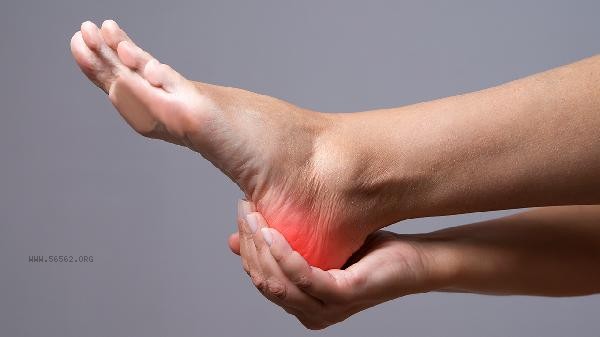
uses the point press method to stimulate the plantar reflex area, combined with Achilles tendon traction technique. Apply the rolling technique to the heel area for 5-10 minutes, then rub and press the Yongquan acupoint with your thumb. Can be combined with traditional Chinese medicine essential oils to enhance penetration, 1-2 times a day. During the acute injury period, it is not advisable to forcefully massage, and osteoporosis patients need to control the intensity.
5. Small needle knife treatment
is suitable for calcaneal bone spurs or refractory fasciitis, relieving pain by loosening adhesive tissue. Operate under sterile conditions and avoid contact with water for 24 hours after surgery. Patients with severe osteoporosis or local infections are prohibited from using it, and the treatment interval should be at least 7-10 days.
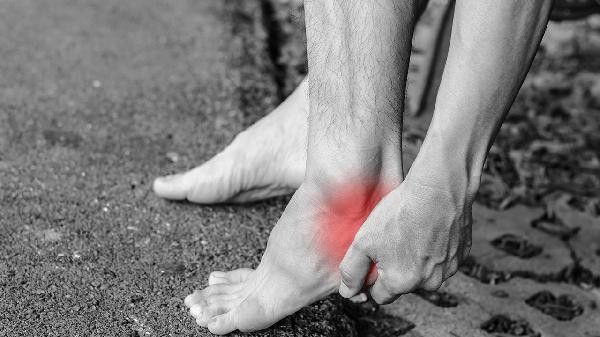
It is recommended to choose soft soled shoes and use arch support pads to avoid prolonged standing and walking. Soak your feet in warm water at around 40 ℃ for 15 minutes daily, and you can add mugwort leaves or saffron to the water. Moderate plantar fascia stretching exercises, such as rolling a tennis ball. Overweight individuals need to control their diet and reduce foot load. If the pain persists for 2 weeks without relief or is accompanied by redness, swelling, and fever, timely follow-up should be conducted to rule out fractures or infections.





Comments (0)
Leave a Comment
No comments yet
Be the first to share your thoughts!