
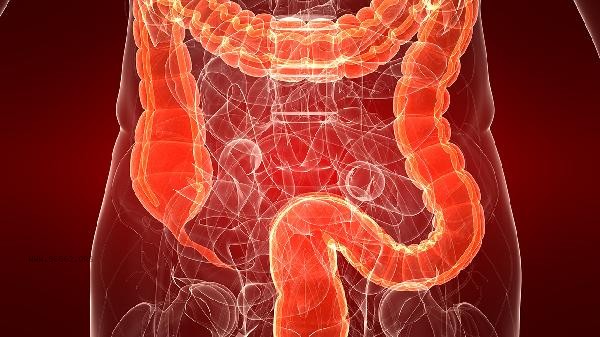
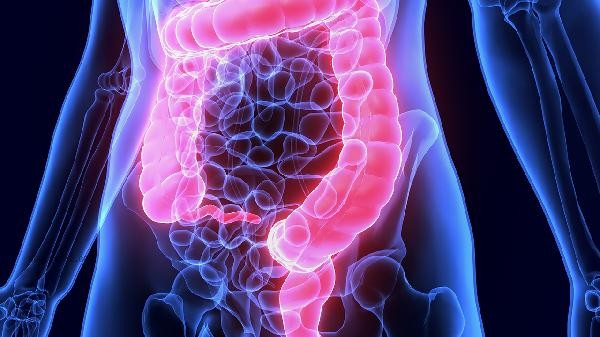
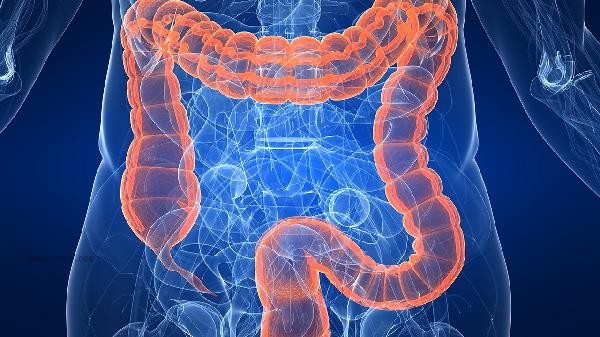
Colitis can be treated by Chinese medicine conditioning, acupuncture and moxibustion therapy, moxibustion therapy, massage therapy, diet conditioning, etc. Colitis is usually caused by irregular diet, emotional disorders, invasion of external pathogens, spleen and stomach weakness, and damp heat accumulation.
1. Traditional Chinese Medicine Regulation
Traditional Chinese medicine regulation is the core method of traditional Chinese medicine treatment for colitis, and commonly used formulas include Shen Ling Bai Zhu San, Ge Gen Qin Lian Tang, Tong Xie Yao Fang, etc. Shen Ling Bai Zhu San is suitable for patients with weak spleen and stomach type colitis, which manifests as symptoms such as diarrhea, loss of appetite, and fatigue. Ge Gen Qin Lian Tang is mainly used for damp heat colitis, with common symptoms including abdominal pain, urgency, and constipation. The Tongxie Yao Fang has a good effect on colitis of liver depression and spleen deficiency type, which is often induced or exacerbated by emotional fluctuations. Traditional Chinese medicine needs to be personalized according to the specific syndrome type of the patient, and usually requires continuous use for a period of time to take effect.
2. acupuncture and moxibustion therapy
acupuncture and moxibustion therapy regulates gastrointestinal function by stimulating specific points, and commonly used points include Zusanli, Tianshu, Guanyuan, Spleen Shu, Large intestine Shu, etc. Zusanli is an important acupoint for regulating the spleen and stomach, which can enhance digestive function. The Tian Shu acupoint is located in the abdomen and directly acts on the intestines, which can relieve abdominal pain and diarrhea. Guanyuan acupoint has a warming and tonifying effect on the spleen and kidneys, suitable for patients with persistent diarrhea. Acupuncture and moxibustion treatment usually requires 10-15 times as a course of treatment, 2-3 times a week. For patients with acute attack, acupuncture and moxibustion can quickly relieve symptoms; Chronic patients require a longer period of treatment to consolidate their effects.
3. Moxibustion therapy
Moxibustion therapy uses the heat generated by the burning of moxa to stimulate acupoints, and is suitable for patients with deficiency cold colitis. Commonly used acupoints include Shenque, Zhongwan, Qihai and other abdominal acupoints. Shenque acupoint is located at the navel, and moxibustion at this point can warm up yang, dispel cold, strengthen the spleen, and stop diarrhea. Zhongwan acupoint is a recruitment point for the stomach, and moxibustion can warm the spleen and stomach and improve digestive function. Qi Hai acupoint has the function of nourishing qi and solidifying qi, suitable for patients with chronic diarrhea leading to qi deficiency. During moxibustion, it is important to control the temperature to avoid burning the skin. It is recommended to moxibustion for 15-20 minutes each time. The common symptoms of patients with deficiency cold type are abdominal cold pain, preference for warmth and pressure, and loose stool.
4. Tuina therapy
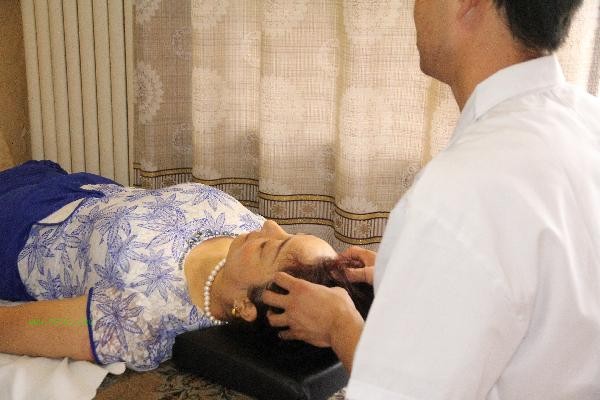
Tuina therapy treats colitis by massaging the abdomen and related meridians and acupoints with manual techniques. Common techniques include rubbing the abdomen, kneading the abdomen, and pressing acupoints. Massaging the abdomen gently in a clockwise direction with the palm of the hand can help promote intestinal peristalsis. Rubbing the abdomen is a circular movement of the palm root around the navel area, which can relieve bloating and abdominal pain. Pressing acupoints mainly targets acupoints such as Zusanli and Tianshu for stimulation. Massage therapy lasts about 20-30 minutes each time, and patients can learn simple self massage methods at home. Tuina has a good effect on functional colitis, regulating intestinal nerve function and relieving spasmodic pain.
5. Dietary regulation
Dietary regulation plays an important role in the traditional Chinese medicine treatment of colitis. In the acute phase, light and digestible food, such as rice porridge and noodles, should be the main food to avoid cold, greasy and irritating food. In the chronic phase, dietary therapy can be chosen according to the constitution. For those with weak spleen and stomach, they can eat spleen strengthening ingredients such as yam, lotus seeds, and water chestnuts; Damp heat type patients are suitable for moisture reducing foods such as coix seed and adzuki beans. Eat regularly, avoid overeating, and pay attention to chewing slowly. Certain foods such as ginger and jujube can be added to daily diet in moderation according to the syndrome type, playing an auxiliary therapeutic role. Long term adherence to correct dietary habits is particularly important for preventing the recurrence of colitis. In addition to receiving traditional Chinese medicine treatment, patients with colitis should pay attention to maintaining a regular daily routine, avoiding excessive fatigue and mental stress. Taking appropriate walks, practicing Tai Chi, and exercising regularly can help enhance physical fitness. Pay attention to keeping your abdomen warm and avoid catching a cold. Quit smoking and limit alcohol consumption to reduce irritation to the intestines. Regular follow-up visits should be conducted during the treatment period, and the treatment plan should be adjusted according to changes in the condition. If the symptoms persist or warning symptoms such as rectal bleeding and weight loss appear, seek medical attention promptly to rule out other serious intestinal diseases. The treatment of colitis requires patience and persistence, and the combination of traditional Chinese and Western medicine often achieves better results.





Comments (0)
Leave a Comment
No comments yet
Be the first to share your thoughts!