
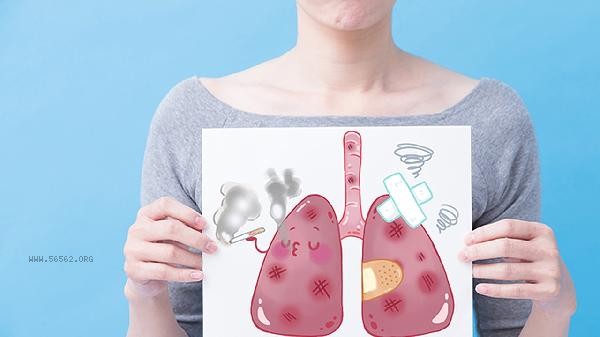
The TCM treatment methods of COPD mainly include Chinese medicine decoction, acupoint application, acupuncture and moxibustion, massage, Qigong exercise, etc. Chronic obstructive pulmonary disease (COPD) belongs to the category of lung distension and wheezing in traditional Chinese medicine, and is often related to factors such as phlegm turbidity obstructing the lungs, lung spleen qi deficiency, and lung kidney deficiency. It usually manifests as symptoms such as cough, sputum production, wheezing, and shortness of breath.
1. Traditional Chinese Medicine Decoction
Traditional Chinese medicine decoction is a commonly used method for treating chronic obstructive pulmonary disease (COPD) in traditional Chinese medicine, and treatment should be based on syndrome differentiation. Phlegm heat stagnation lung syndrome can be treated with modified Mulberry White Skin Decoction, which contains ingredients such as Mulberry White Skin, Pinellia ternata, Almonds, etc; Lung spleen qi deficiency syndrome can be treated with modified Liujunzi Tang, which includes Codonopsis pilosula, atractylodes macrocephala, Poria cocos, etc; The deficiency of both lungs and kidneys can be improved by adding Jin Kui Shen Qi Wan and Shen Shen Ge Jie San. Traditional Chinese medicine decoctions need to be adjusted by Chinese medicine practitioners according to the tongue and pulse manifestations, and patients cannot self prescribe them.
2. Acupoint application
Acupoint application works by stimulating specific acupoints with medication. White mustard seed powder is commonly used for treating chronic obstructive pulmonary disease (COPD) by applying it to the Yu acupoint and Dingchuan acupoint. The medicinal ingredients can be absorbed through the skin to warm the lungs and reduce phlegm. Sanfu Tie is a typical representative, mostly carried out in summer, and needs to be used continuously for 3 years. People with skin allergies should use it with caution, and the application time should not exceed 6 hours. If there is a burning sensation, remove it immediately.
3. acupuncture and moxibustion therapy
acupuncture and moxibustion regulates lung function by stimulating meridians. The main acupoints are selected as Feishu, Dingchuan, and Danzhong, and the matching acupoints are adjusted according to the syndrome type. For phlegm, Fenglong acupoint is selected, and for Qi deficiency, Zusanli acupoint is selected. Warm acupuncture and moxibustion can be used to strengthen the effect, and the moxa stick can be fixed on the needle handle and burned. During the acute attack period, once a day; during the stable period, 2-3 times a week, with 10 times as one course of treatment. Acupuncture and moxibustion is not suitable for patients with coagulation dysfunction.
4. Tuina massage
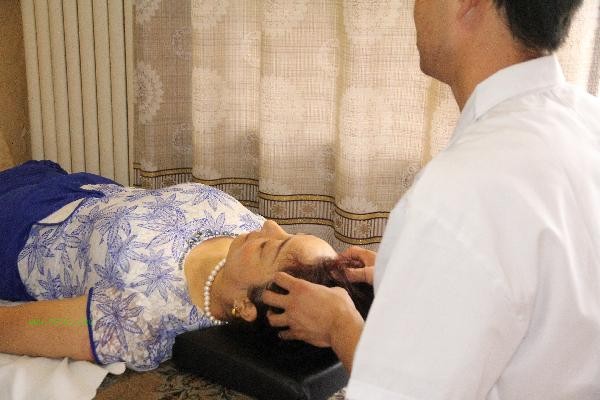
Tuina techniques can alleviate symptoms of chest tightness and shortness of breath. Common techniques include opening the Tianmen Gate, pushing the Kan Palace, kneading the Danzhong, and rubbing the bladder meridian on the back. The combination of cough and asthma relief massage cream has a better effect, containing traditional Chinese medicine ingredients such as almonds and Magnolia officinalis. Patients can also self-study acupoint pressing, such as pressing the Tian Tu acupoint to relieve cough. The massage force should be moderate to avoid causing skin damage.
5. Qigong Exercise
Qigong improves lung function by regulating the body and breathing. Recommend techniques such as the Eight Section Brocade and Six Character Formula, with a focus on practicing movements such as "Regulating the Spleen and Stomach by Lifting Alone" and "The Character Formula". Practice for 30 minutes every morning, preferably with slight sweating. The movement should be accompanied by deep and long breathing, bulging the abdomen during inhalation and contracting the abdomen during exhalation. During the acute infection period, practice should be suspended to avoid worsening breathing difficulties. Traditional Chinese medicine treatment for chronic obstructive pulmonary disease requires long-term adherence, and various methods can be used in combination. Patients should avoid wind and cold, quit smoking and drinking, have a light diet, and eat more lung moistening foods such as white radish, lily, and Tremella fuciformis. Monitor changes in blood oxygen saturation, and seek medical attention promptly when symptoms such as cyanosis of the lips and resting heart rate exceeding 100 beats per minute occur. Integrated traditional Chinese and Western medicine treatment can better control the progression of the disease.





Comments (0)
Leave a Comment
No comments yet
Be the first to share your thoughts!