
Chronic gastritis can be treated by means of traditional Chinese medicine conditioning, acupuncture and moxibustion, massage, diet regulation, emotional care, etc. Chronic gastritis is usually caused by irregular diet, emotional disorders, spleen and stomach weakness, invasion of external pathogens, drug stimulation, and other reasons.

1. Chinese Medicine Regulation
Chinese medicine regulation is the core method of traditional Chinese medicine treatment for chronic gastritis, and commonly used formulas include Xiangsha Liujunzi Tang, Chaihu Shugan San, Banxia Xiexin Tang, etc. Xiangsha Liujunzi Tang is suitable for chronic gastritis of spleen and stomach weakness type, manifested as epigastric pain and loss of appetite. Chaihu Shugan San is suitable for liver stomach disharmony type, characterized by bloating and pain in the epigastric region and frequent belching. Banxia Xiexin Tang is used for mixed cold and heat types, with common symptoms such as burning and acid reflux in the epigastric region. Traditional Chinese medicine treatment should be based on individual constitution and syndrome differentiation, and it is recommended to use it under the guidance of a professional Chinese medicine practitioner.
II. acupuncture and moxibustion Treatment
acupuncture and moxibustion regulates gastrointestinal function by stimulating specific points, and commonly used points include Zusanli, Zhongwan, Neiguan, Gongsun, etc. Zusanli acupoint has the function of invigorating the spleen and stomach, Zhongwan acupoint can relieve stomach pain, and Neiguan acupoint can stop vomiting and calm the mind. Generally, 10-15 times of acupuncture and moxibustion treatment is a course of treatment, which has obvious effect on relieving stomach pain, flatulence and other symptoms. For patients with spleen and stomach deficiency and cold type, moxibustion can be used to warm and nourish the spleen and stomach. Acupuncture and moxibustion treatment should be performed by professional acupuncture and moxibustion doctors, and self application of acupuncture should be avoided.
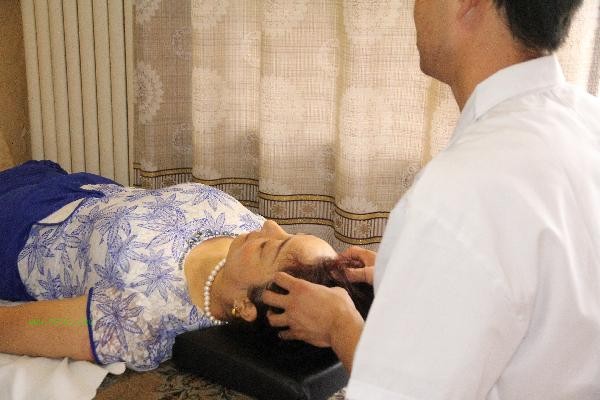
III. Tuina Massage
Tuina massage improves gastrointestinal function by stimulating abdominal meridians and acupoints through manual techniques. Common techniques include rubbing the abdomen, massaging the epigastric area, and tapping the foot three li. Massaging the abdomen gently in a clockwise direction can promote gastrointestinal peristalsis. Rubbing the Zhongwan acupoint can relieve bloating in the stomach, while tapping the Zusanli acupoint can help strengthen the spleen and stomach. Massage therapy lasts 20-30 minutes each time and is suitable as an adjuvant therapy. Massage should be done with moderate intensity and should not be performed within one hour after a meal. Long term persistence can improve spleen and stomach function and alleviate symptoms of gastritis.

Fourth, Dietary Regulation
Dietary regulation is an important part of traditional Chinese medicine treatment for chronic gastritis. Suggest eating small meals frequently to avoid overeating. It is advisable to choose easily digestible food such as millet porridge, yam, pumpkin, etc., and avoid spicy, stimulating, raw, cold and greasy food. People with spleen and stomach deficiency and cold can consume ginger and jujube isothermal foods appropriately. Patients with stomach heat type should eat nourishing yin and clearing fire products such as lilies and Tremella fuciformis. Eat regularly and in moderation, chew slowly and steadily. The main cooking methods are steaming, boiling, and stewing, with less emphasis on frying. Avoid stimulating beverages such as strong tea, coffee, alcohol, etc.
V. Emotional Management
Emotional factors play an important role in the onset of chronic gastritis. Traditional Chinese medicine believes that worry can harm the spleen, anger can harm the liver, and long-term emotional fluctuations can affect spleen and stomach function. It is recommended to maintain a relaxed mood and avoid excessive tension and anxiety. Emotions can be regulated through music therapy, meditation, and Eight Section Brocade. Ensure adequate sleep and avoid staying up late. Taking appropriate walks, practicing Tai Chi, and exercising regularly can help regulate qi flow. Cultivate hobbies and divert attention. If necessary, seek psychological counseling assistance to establish a healthy mindset and lifestyle. In addition to traditional Chinese medicine treatment, patients with chronic gastritis should also pay attention to their daily routine and avoid excessive fatigue. Quit smoking and limit alcohol consumption to reduce irritation to the gastric mucosa. Maintain oral hygiene and regularly check for Helicobacter pylori infection. Avoid long-term use of nonsteroidal anti-inflammatory drugs and other medications that can damage the gastric mucosa. When symptoms worsen or alarm symptoms such as vomiting blood and black stool appear, seek medical attention promptly. Traditional Chinese medicine treatment emphasizes overall regulation and individualized plans. It is recommended to develop a comprehensive treatment plan under the guidance of professional Chinese medicine practitioners and adhere to treatment to achieve the best results.






Comments (0)
Leave a Comment
No comments yet
Be the first to share your thoughts!