
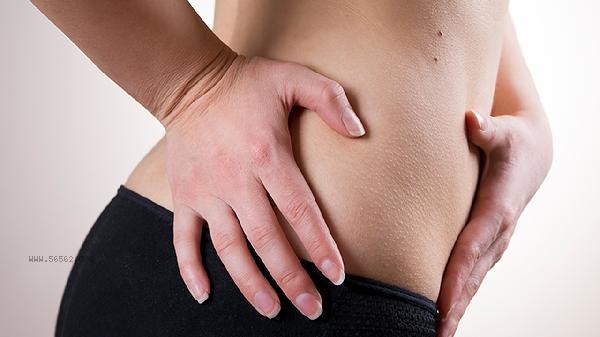
Chronic colorectal inflammation can be treated by taking Chinese medicine orally, acupuncture and moxibustion therapy, moxibustion therapy, massage and diet conditioning. Chronic proctitis may be related to factors such as spleen and stomach weakness, damp heat accumulation, qi stagnation and blood stasis, emotional disorders, and irregular diet. It usually manifests as symptoms such as abdominal pain, diarrhea, urgency, mucus, pus, and bloody stools.
1. Oral administration of traditional Chinese medicine
Ge Gen Qin Lian Tang is suitable for damp heat type colitis and contains ingredients such as Ge Gen, Huangqin, Huanglian, etc. Shen Ling Bai Zhu San can improve symptoms of spleen deficiency and excessive dampness, containing medicinal herbs such as ginseng, Poria cocos, and Atractylodes macrocephala. Wumei Pill has a astringent and antidiarrheal effect on patients with persistent diarrhea, and should be treated by a traditional Chinese medicine practitioner based on syndrome differentiation. Do not use iron utensils when boiling traditional Chinese medicine, and avoid eating raw, cold, greasy food during medication. Different types of syndromes require the combination of different drugs, such as Qi stagnation combined with wood fragrance, blood stasis combined with Angelica sinensis.
2. acupuncture and moxibustion therapy
The main acupoints are usually selected from Tianshu, Zusanli, Shangjuxu and other acupoints, together with electroacupuncture to enhance the efficacy. Cold syndrome can be treated with moxibustion at the Shenque acupoint, while heat syndrome can be treated with blood letting therapy. Treat 3 times a week, with 10 times as one course of treatment, which can regulate intestinal peristalsis function. After needling, leave the needle for 20 minutes and use the technique of lifting, inserting, twisting, and turning. Pregnant women and those with bleeding constitution should use it with caution and be operated by professional acupuncture and moxibustion.
3. Moxibustion therapy
Ginger separated moxibustion is suitable for spleen and stomach deficiency cold type, taking acupoints such as Zhongwan and Guanyuan. Gentle moxibustion can be performed on the back shu points such as Da Chang Yu and Pi Yu, for 15 minutes each time. Moxibustion can warm up the meridians and improve intestinal blood circulation. Pay attention to keeping the moxa stick 3 centimeters away from the skin to prevent burns. Patients with actual heat syndrome and skin damage are prohibited from using it, and hydration is required during treatment.
4. Massage and Massage
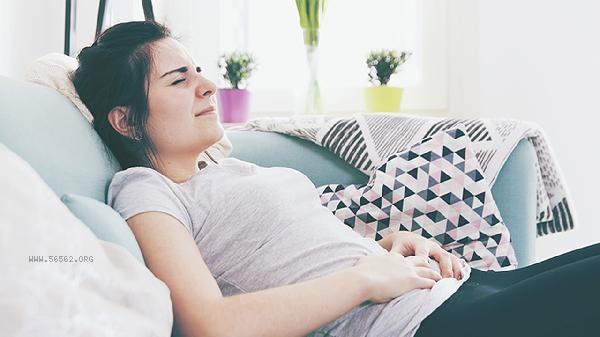
The abdomen is massaged clockwise using the massage and kneading method, and the acupoints are pressed together. Perform spinal therapy along the bladder meridian on the back, with a focus on stimulating the area from the spleen to the large intestine. Three times a week can alleviate symptoms of intestinal spasms and bloating. During acute attacks, abdominal techniques should be gentle and should not be performed within one hour after a meal. Patients can be taught to self massage acupoints around the navel.
5. Diet conditioning
In the acute phase, it is advisable to eat yam Congee, lotus root powder and other fluids, and in the remission phase, it can be used to invigorate the spleen with Poria cocos and lentils soup. Avoid spicy and alcoholic foods, and control the intake of crude fiber. It is recommended to stew pig tripe with purslane, lotus seed and gorgon soup and other Tonic Diet. Eat small meals multiple times a day, keeping the food warm. Long term diarrhea patients can consume pomegranate peel and sour jujube kernels in moderation to control and stop diarrhea. Patients with chronic proctitis should maintain a regular daily routine, avoid excessive fatigue and mental stress. You can practice the Eight Section Brocade technique of "regulating the spleen and stomach with a single lift" daily, and engage in moderate aerobic exercises such as brisk walking. Pay attention to keeping the abdomen and back warm, especially during seasonal changes. Record bowel movements and triggering factors, and regularly review colonoscopy. When symptoms worsen or emaciation and anemia occur, timely medical attention should be sought. Integrated treatment with traditional Chinese and Western medicine can improve the efficacy.






Comments (0)
Leave a Comment
No comments yet
Be the first to share your thoughts!