
Poor sleep can be recuperated by various methods of traditional Chinese medicine, mainly including traditional Chinese medicine recuperation, acupuncture and moxibustion, massage, dietotherapy and psychological counseling. Poor sleep may be related to factors such as emotional disorders, insufficient qi and blood, and organ dysfunction. Traditional Chinese medicine treatment based on syndrome differentiation can effectively improve sleep quality.
1. Traditional Chinese Medicine Conditioning
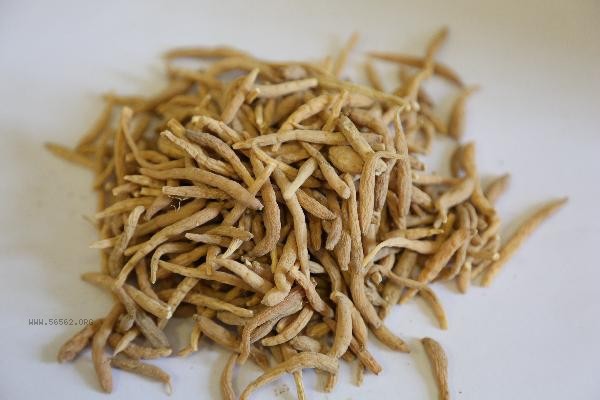
Traditional Chinese medicine conditioning is a commonly used method for treating poor sleep in traditional Chinese medicine, and different formulas can be selected according to individual constitution and syndrome types. The common syndrome types include deficiency of both heart and spleen, liver stagnation transforming into fire, yin deficiency and fire excess, and the corresponding prescriptions include Guipi Decoction, Chaihu Shugan Powder, Huanglian ass hide glue Decoction, etc. Traditional Chinese medicine needs to be prescribed by a Chinese medicine practitioner after differentiation of symptoms, avoiding self medication. Patients should avoid spicy and irritating foods and maintain a regular daily routine while taking traditional Chinese medicine.
2. acupuncture and moxibustion Treatment
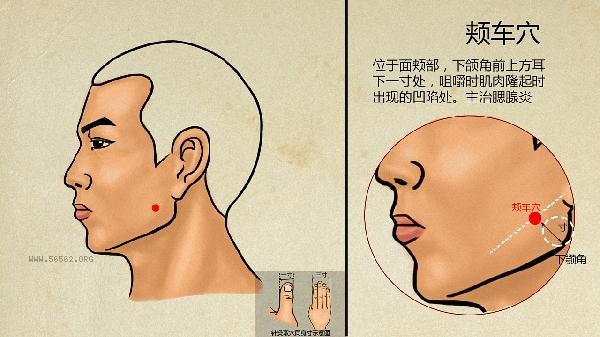
acupuncture and moxibustion has a definite effect on improving sleep quality by stimulating specific acupoints to regulate the movement of qi and blood and the functions of viscera. Common acupoints include Baihui, Shenmen, Sanyinjiao, Anping, and other acupoints. Acupuncture and moxibustion treatment usually takes 10-15 times as a course of treatment, and the number of courses depends on the severity of the disease. During acupuncture and moxibustion, you should keep your mood relaxed and avoid excessive fatigue. In clinical practice, acupuncture and moxibustion is often used in combination with traditional Chinese medicine for better results.
3. Tuina Massage
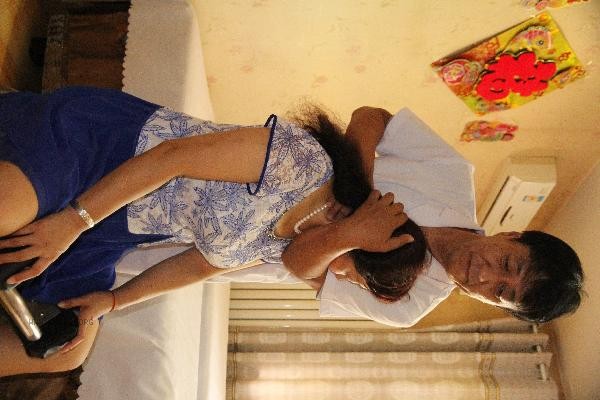
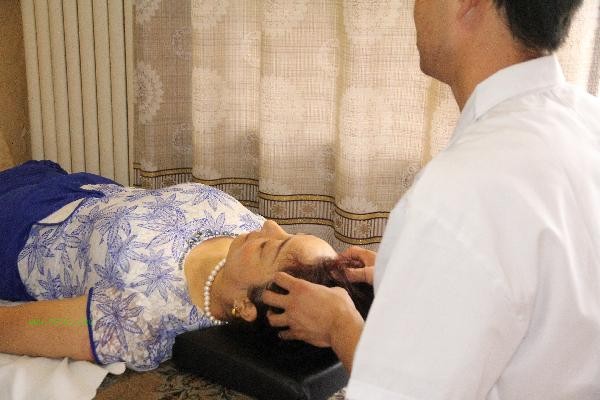
Traditional Chinese massage can stimulate meridians and acupoints through manual techniques, which can help calm the mind and aid sleep. Common techniques include head massage, back bladder massage, foot reflex massage, etc. Tuina can promote blood circulation, relax muscle tension, and regulate autonomic nervous system function. It is recommended to massage for about 30 minutes 1-2 hours before bedtime to help fall asleep. For those with weak constitution, the massage intensity should be light and the time should be appropriately shortened.
4. Dietary therapy and nourishment
Traditional Chinese medicine dietary therapy emphasizes the concept of "medicine and food sharing the same origin", which can improve sleep through dietary regulation. Suitable foods include ingredients with calming effects such as lilies, longan flesh, lotus seeds, and sour jujube kernels. It is recommended to have a light and easily digestible dinner, with a moderate amount, and avoid eating within 3 hours before bedtime. You can drink sour jujube kernel tea or millet porridge and other food therapy prescriptions that have a calming effect. At the same time, stimulating drinks such as strong tea and coffee should be avoided, especially in the afternoon and evening.
5. Emotional regulation
Traditional Chinese medicine believes that emotional factors are one of the important causes of sleep disorders. Adjusting emotions and maintaining a calm mindset can help improve sleep. Common methods include meditation, Eight Section Brocade, Tai Chi and other soothing exercises. Deep breathing exercises can be performed before bedtime to avoid overthinking and emotional fluctuations. If necessary, seek professional psychological counseling. Pay attention to balancing work and rest in daily life, and avoid long-term mental stress and excessive pressure. Patients with poor sleep should establish a regular sleep schedule and ensure 7-8 hours of sleep per day. Avoid using electronic devices one hour before bedtime and keep the bedroom quiet, comfortable, and dark. Moderate exercise can be done during the day, but avoid vigorous exercise within 3 hours before bedtime. Those with persistent symptoms should seek medical attention as soon as possible and receive treatment under the guidance of a professional traditional Chinese medicine practitioner. Maintaining a positive mindset and a healthy lifestyle is crucial for improving sleep.





Comments (0)
Leave a Comment
No comments yet
Be the first to share your thoughts!