
Irritable bowel syndrome can be treated by means of traditional Chinese medicine conditioning, acupuncture and moxibustion therapy, massage therapy, diet regulation, emotional regulation, etc. Irritable bowel syndrome may be related to gastrointestinal dysfunction, visceral hypersensitivity, imbalance of gut microbiota, psychological factors, dietary stimulation, and other factors. It usually manifests as symptoms such as abdominal pain, bloating, and changes in bowel habits.
1. Traditional Chinese Medicine Regulation
Traditional Chinese medicine regulation is a commonly used method for treating irritable bowel syndrome in traditional Chinese medicine, and different formulas can be selected according to the syndrome type. The liver depression and spleen deficiency type can be treated with modifications to the pain and diarrhea formula. The combination of Bai Zhu, Bai Shao, Chen Pi, Feng Feng and other drugs in the formula can soothe the liver and invigorate the spleen; The spleen and stomach weakness type can be treated with Shen Ling Bai Zhu San, which contains spleen strengthening and qi boosting drugs such as ginseng, Poria cocos, and Atractylodes macrocephala; The mixed type of cold and heat can be treated with Wumei Wan, which contains medicines such as Wumei, Xixin, and dried ginger to balance cold and heat. Traditional Chinese medicine should be treated by a Chinese medicine practitioner based on syndrome differentiation, and self medication should be avoided.
II. acupuncture and moxibustion Therapy
acupuncture and moxibustion regulates gastrointestinal function by stimulating specific points. Common acupoints include Zusanli, Zhongwan, Tianshu, etc. Zusanli belongs to the Foot Yangming Stomach Meridian and can strengthen the spleen and stomach; The central epigastric region is the recruiting point for the stomach, which can regulate the Qi mechanism of the middle burner; The Tian Shu belongs to the Foot Yangming Stomach Meridian and can regulate intestinal function. Acupuncture and moxibustion treatment needs to be operated by professional doctors, and the reinforcing and reducing methods should be selected according to the syndrome type. For diarrhea type, the reinforcing method is often used, while for constipation type, the reducing method can be used. The treatment of acupuncture and moxibustion usually needs 10-15 times, 2-3 times a week.
III. Tuina Therapy
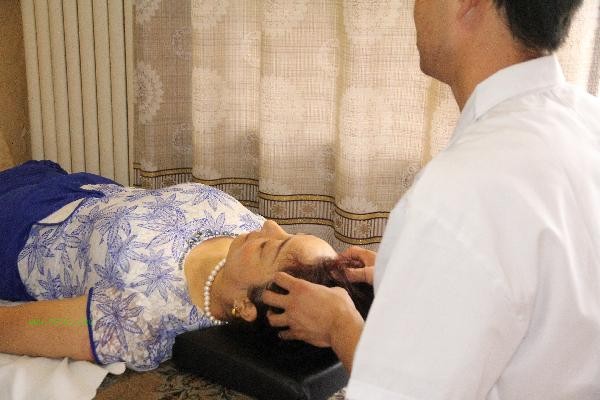
Tuina improves symptoms by stimulating abdominal acupoints and meridians through manual techniques. Common techniques include rubbing the abdomen, massaging the Tian Shu acupoint, and tapping the Zu San Li acupoint. Massaging the abdomen can help with defecation in a clockwise direction and relieve diarrhea in a counterclockwise direction; Rubbing the Tian Shu acupoint can regulate intestinal peristalsis; Pressing Zusanli can invigorate the spleen and stomach. Massage should be performed by professional physicians, and the intensity of abdominal massage should be moderate to avoid excessive stimulation. Tuina can be combined with moxibustion to enhance the therapeutic effect, with each treatment lasting 20-30 minutes.

Fourth, Dietary Regulation
Dietary regulation should be planned according to the type of symptoms. Diarrhea type should avoid raw, cold, greasy, dairy products and other foods, and can consume spleen strengthening ingredients such as yam, lotus seeds, and water chestnuts in moderation; Constipation type can increase dietary fiber intake, choose foods such as oats, celery, dragon fruit, etc., while ensuring sufficient water intake; Abdominal distension type requires reducing the intake of gas producing foods such as beans and onions. Diet should be regular, with small meals and frequent meals, to avoid overeating. Keeping a diet diary helps identify triggering foods.
V. Emotional Regulation
Emotional factors are closely related to irritable bowel syndrome. Stress can be relieved through meditation, breathing exercises, music therapy, and other methods. Practicing meditation for 10-20 minutes a day can help relax the body and mind; Abdominal breathing training can regulate autonomic nervous system function; Soothing music can lower anxiety levels. Establish a regular schedule to ensure adequate sleep. If necessary, psychological counseling can be provided, and cognitive-behavioral therapy can help improve symptoms. Avoid overexertion and mental stress, cultivate interests and hobbies to divert attention. Patients with irritable bowel syndrome should maintain a regular daily routine, ensure 7-8 hours of sleep every day, and avoid staying up late. Taking appropriate walks, practicing Tai Chi, and exercising 3-5 times a week for about 30 minutes each time can help regulate gastrointestinal function. Pay attention to keeping your abdomen warm and avoid catching a cold. Establish a diet diary to record the relationship between symptoms and food, and avoid triggering factors. When symptoms worsen or persist, seek medical attention promptly and adjust the treatment plan under the guidance of a doctor. Regularly follow up to evaluate the efficacy, do not discontinue medication or change treatment plans on your own.





Comments (0)
Leave a Comment
No comments yet
Be the first to share your thoughts!