
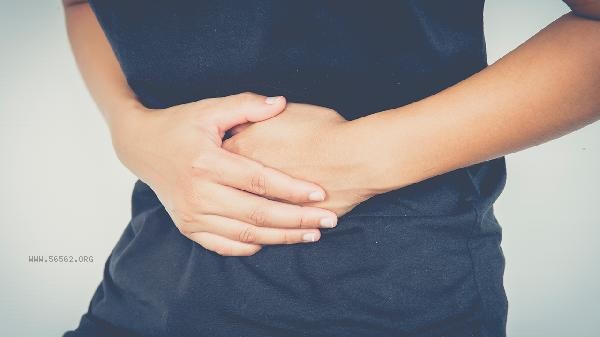
Irritable bowel syndrome can be improved by means of Chinese medicine conditioning, diet regulation, emotional regulation, acupuncture and moxibustion treatment, Chinese medicine treatment, etc. Irritable bowel syndrome may be related to gastrointestinal dysfunction, psychological factors, imbalance of gut microbiota, improper diet, cold and heat disorders, and other factors. It usually manifests as symptoms such as abdominal pain, bloating, diarrhea, or constipation.
1. Traditional Chinese Medicine Regulation
Traditional Chinese medicine believes that irritable bowel syndrome is closely related to liver and spleen dysfunction, and can be regulated through formulas that soothe the liver and invigorate the spleen, such as Xiaoyao San and Tong Xie Yao Fang. Patients with liver qi stagnation often have rib distension and pain, while those with spleen deficiency and excessive dampness often have loose stools. Daily use can be combined with pressing acupoints such as Zusanli and Zhongwan to avoid excessive fatigue and emotional fluctuations.
2. Dietary regulation
Diet should follow the principles of timing, quantity, lightness, and easy digestion, avoiding raw, cold, greasy, and stimulating foods. Diarrhea type patients can consume spleen strengthening ingredients such as yam and lotus seeds in moderation, while constipation type patients can increase the consumption of moisturizing and laxative products such as hemp seeds and plum seeds. Keeping a diet diary helps identify the foods that trigger symptoms.
3. Emotional regulation
Long term negative emotions such as anxiety and depression can affect gastrointestinal function through the brain gut axis. It is recommended to use soothing exercises such as Ba Duan Jin and Tai Chi to regulate emotions. If necessary, it can be combined with calming formulas such as Gan Mai Da Zao Tang. Establishing a regular schedule and ensuring sufficient sleep can help improve intestinal sensitivity.
4. acupuncture and moxibustion treatment
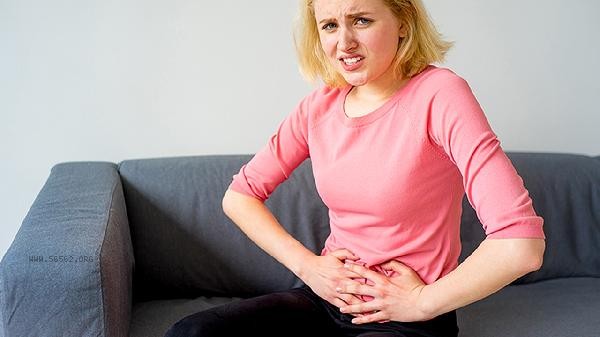
acupuncture and moxibustion can regulate gastrointestinal peristalsis by selecting points such as Tianshu, Guanyuan, and Pishu. Cold syndrome is treated with moxibustion at Shenque acupoint, while heat syndrome is treated with blood letting therapy. Clinical research shows that acupuncture and moxibustion can effectively relieve abdominal pain and abnormal defecation, and the treatment cycle usually requires 10-15 times as a course of treatment.
5. Traditional Chinese Medicine Treatment
Select classic formulas such as Shen Ling Bai Zhu San, Si Shen Wan, and Chai Hu Shu Gan San according to the syndrome type. Diarrhea type can be treated with Gu Chang Zhi Xie Wan, while constipation type can be treated with Ma Ren Run Chang Wan. Traditional Chinese medicine decoction should be issued by doctors based on syndrome differentiation, and traditional Chinese patent medicines and simple preparations such as Changweining Tablets, Bupiyichang Pills, etc. should also be used under guidance. Patients with irritable bowel syndrome should establish a regular diet and daily routine, engaging in 30 minutes of gentle exercise such as walking or yoga. Pay attention to keeping your abdomen warm and avoid catching a cold. When symptoms continue to worsen or warning symptoms such as weight loss and rectal bleeding appear, it is necessary to seek medical attention promptly to rule out organic diseases. Maintaining a positive and optimistic attitude plays an important role in improving the condition.





Comments (0)
Leave a Comment
No comments yet
Be the first to share your thoughts!