
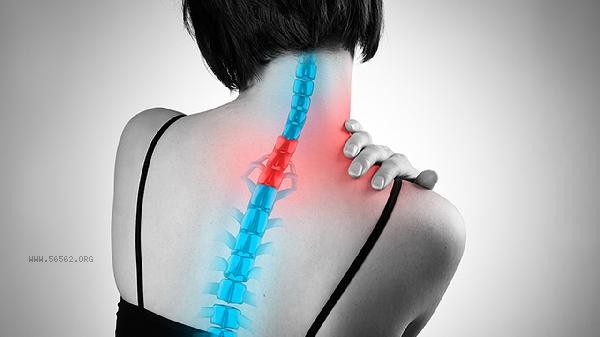
The traditional Chinese medicine treatment of cervical spondylosis mainly includes oral Chinese medicine, acupuncture and moxibustion, massage, cupping, and external application of Chinese medicine. Cervical spondylosis is often caused by long-term strain, invasion of wind, cold, and dampness pathogens, and insufficient qi and blood. Traditional Chinese medicine treatment requires differentiation of symptoms and treatment.
1. Oral administration of traditional Chinese medicine
Different formulas are selected according to the differentiation of syndromes. For wind cold dampness type, Guizhi and Gegen decoction can be modified, for qi and blood deficiency type, Buyang Huanwu decoction can be modified, and for liver and kidney deficiency type, Duhuo Parasitic Decoction can be modified. Commonly used traditional Chinese medicines include kudzu root, cassia twig, astragalus root, angelica root, etc., which need to be prepared by Chinese medicine practitioners according to individual conditions. Oral administration of traditional Chinese medicine can improve local blood circulation, relieve muscle spasms, and alleviate symptoms of nerve compression.
2. acupuncture and moxibustion therapy
Select Fengchi, Dazhui, Jianjing, Tianzong and other acupoints for acupuncture, and the effect is better when combined with electroacupuncture or warm acupuncture. Acupuncture and moxibustion can dredge the meridians, relieve pain and stiffness of the neck, and improve local microcirculation. Generally, 10-15 sessions are considered as one course of treatment. In the acute phase, it can be administered once a day, while in the chronic phase, it can be administered every other day. For those with symptoms of dizziness and numbness, acupuncture at remote acupoints such as Hegu and Waiguan can be added.
3. Tuina massage
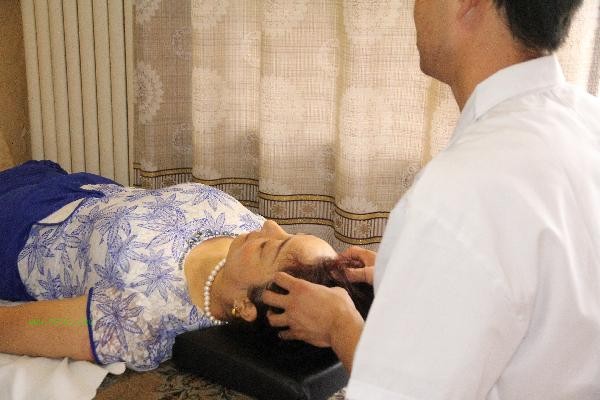
uses techniques such as rolling, kneading, and point pressing to relieve neck muscle spasms, combined with cervical traction to increase intervertebral space. Tuina can improve local blood circulation, promote the absorption of inflammatory substances, and alleviate nerve root compression. During operation, the force should be uniform and gentle to avoid violent twisting. For cervical spondylosis of vertebral artery type, rotational manipulation should be used with caution, and heavy manipulation should be avoided for cervical spondylosis of spinal cord type.

4. Cupping therapy
Walking or leaving cupping in the neck, shoulders, and back can dispel wind, dispel cold, promote blood circulation, and remove blood stasis. After cupping, local bruising may occur, which is a normal treatment response. Prohibited for individuals with skin damage or coagulation dysfunction. After cupping, it is important to keep warm and avoid catching a cold. Treatment should be given every 2-3 days. The combination of needling and cupping has a significant effect on qi stagnation and blood stasis type.
5. External application of traditional Chinese medicine
Traditional Chinese medicine that promotes blood circulation, removes blood stasis, warms meridians, and disperses cold is made into a paste or medicine package for hot compress of the neck. Commonly used drugs include Chuanxiong, safflower, mugwort leaves, and bone penetrating herb. External application can directly act on the affected area, relieving muscle spasms and local edema. People with skin allergies should use it with caution. The external application temperature should not be too high, and the time should be controlled within 20-30 minutes. Can be combined with infrared irradiation to enhance drug penetration. Traditional Chinese medicine treatment for cervical spondylosis requires persistence for a period of time to take effect. During the treatment period, it is important to avoid bad habits such as prolonged bowing, high pillows, and cold neck. Proper neck function exercises such as rice exercises and neck stretching should be performed, but activity should be reduced during acute attacks. If severe symptoms such as progressive limb weakness and urinary and fecal dysfunction occur, timely medical evaluation should be sought to determine whether surgical treatment is necessary. In terms of diet, it is advisable to consume foods such as black beans, walnuts, and yams that nourish the kidneys and strengthen bones appropriately, and avoid eating raw, cold, and cold foods.






Comments (0)
Leave a Comment
No comments yet
Be the first to share your thoughts!