
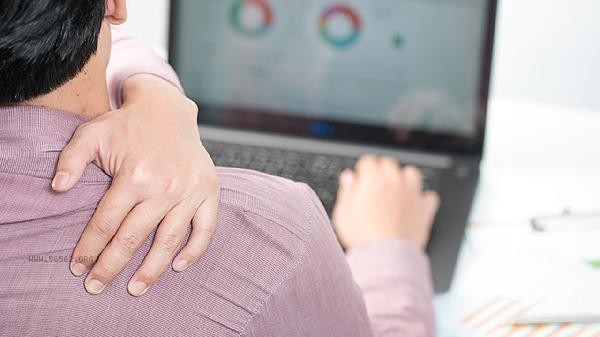
Traditional Chinese medicine treatment of cervical spondylosis mainly includes oral Chinese medicine, acupuncture and moxibustion, massage, cupping, and external application of Chinese medicine. Cervical spondylosis is often caused by long-term strain, invasion of wind cold dampness, and insufficient qi and blood. Traditional Chinese medicine treatment mainly focuses on clearing meridians, harmonizing qi and blood, and dispelling wind and dispelling cold.

1. Oral administration of traditional Chinese medicine
Oral administration of traditional Chinese medicine is a commonly used traditional Chinese medicine treatment method for cervical spondylosis, and different prescriptions can be selected according to the syndrome differentiation. The wind cold dampness type can be treated with Guizhi and Gegen decoction, which has the effects of dispelling wind, dispelling cold, relaxing tendons and activating collaterals. Qi stagnation and blood stasis type can be treated with Xuefu Zhuyu Tang, which helps to promote blood circulation, remove blood stasis, unblock collaterals and relieve pain. The type of liver and kidney deficiency can be treated with Duhuo Parasitic Decoction, which can nourish the liver and kidneys, strengthen muscles and bones. Oral administration of traditional Chinese medicine should be carried out under the guidance of a traditional Chinese medicine practitioner, and the medication plan should be adjusted according to individual circumstances.
II. acupuncture and moxibustion therapy
acupuncture and moxibustion is mainly used to regulate the movement of qi and blood by stimulating specific points in the treatment of cervical spondylosis. Commonly used acupoints include Fengchi, Dazhui, and Jianjing, which can be combined with techniques such as electroacupuncture and warm needling to enhance therapeutic effects. Acupuncture and moxibustion can improve local blood circulation, relieve muscle spasm, and relieve nerve compression symptoms. Generally, a course of treatment requires 10-15 sessions, and for severe symptoms, the treatment period can be appropriately extended.
3. Tuina Massage
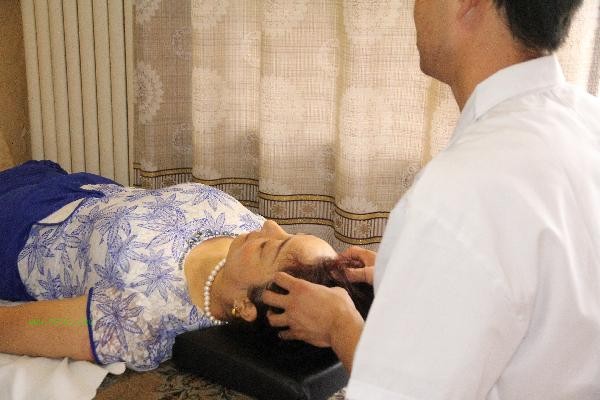
Tuina massage works on the muscles and acupoints of the neck and shoulders through manual techniques, which can release adhesive tissues and improve local microcirculation. Common techniques include kneading, pressing, holding, rolling, etc., with a focus on the trapezius muscle, sternocleidomastoid muscle, and other areas. Tuina can relieve muscle tension and adjust cervical joint disorders, but it needs to be performed by a professional physician to avoid secondary injuries caused by violent techniques.
Fourth, Cupping Therapy
Cupping therapy promotes local Qi and blood circulation by creating negative pressure in the neck and scapula area. Different techniques such as moving cans, flashing cans, and leaving cans can be used, combined with piercing and cupping to achieve better results. Cupping can eliminate dampness in the body and relieve muscle stiffness and pain, but it should be used with caution for those with skin damage or coagulation dysfunction. After treatment, it is necessary to avoid wind and cold, and pay attention to keeping warm.
Fifth, External Application of Traditional Chinese Medicine
External application of traditional Chinese medicine refers to the use of paste or powder made from Chinese medicine that has the effects of promoting blood circulation, removing blood stasis, reducing swelling, and relieving pain for the neck. Common medicines include safflower, frankincense, myrrh, and chuanxiong, which can be made into ointment patches or hot pressed medicine packs. External medication can directly act on the affected area, relieve local inflammation and edema, but individuals with skin allergies should use it with caution. Patients with cervical spondylosis should pay attention to maintaining correct sitting posture in daily life, avoid prolonged bowing, and move their neck for 5-10 minutes every hour. Choose a pillow of moderate height during sleep to avoid catching a cold in the neck. Cervical exercises such as rice exercises and neck stretching exercises can be performed appropriately, but the movements should be gentle and slow. In terms of diet, it is recommended to consume more foods such as black sesame, walnuts, goji berries, etc. that have the effect of tonifying the kidneys and strengthening bones, and to eat less raw and cold foods. If the symptoms continue to worsen or there is numbness and weakness in the upper limbs, timely medical examination and follow-up should be sought.






Comments (0)
Leave a Comment
No comments yet
Be the first to share your thoughts!