
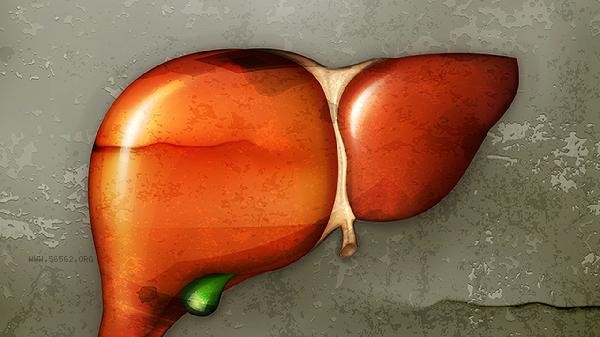
TCM treatment and recuperation of fatty liver should be combined with syndrome differentiation and lifestyle adjustment, mainly including Chinese medicine recuperation, diet control, exercise intervention, emotional adjustment and acupuncture and moxibustion therapy. Fatty liver is often caused by liver depression and spleen deficiency, phlegm dampness resistance, or qi stagnation and blood stasis. Early intervention can effectively reverse the condition.
1. Traditional Chinese Medicine Treatment
Select traditional Chinese medicine that can soothe the liver and invigorate the spleen, reduce phlegm and dampness, or promote blood circulation and remove blood stasis according to the syndrome type. For patients with liver depression and spleen deficiency, Chaihu Shugan San can be used with modifications. Erchen Tang and Zexie Tang are commonly used for phlegm and dampness resistance. For those with qi stagnation and blood stasis, Xuefu Zhuyu Capsules are recommended. Traditional Chinese patent medicines and simple preparations, such as Xuezhikang capsule and Hugan tablet, can regulate lipid metabolism and should be used under the guidance of doctors. Avoid self compatibility or long-term use of a single medication.
2. Dietary control
follows the principles of low fat, low sugar, and high dietary fiber, with a daily intake of no more than 25 grams of fat. It is suitable to eat hawthorn, cassia seed, lotus leaf and other medicinal and food homologous ingredients. You can use 15g hawthorn with japonica rice to cook Congee. Avoid eating fatty, sweet, and heavy foods, as well as alcohol. Dinner should be served before 6pm. Individuals with combined obesity should control their BMI below 24 and lose no more than 1.5 kilograms per week.
3. Exercise intervention
adopts a combination of aerobic exercise and guidance techniques, with 5 times a week of brisk walking or eight dan brocade exercises for more than 30 minutes. During exercise, the heart rate is maintained at (220 age) x 60% intensity, with slight sweating as the degree. Avoid excessive exercise to increase the burden on the liver, and for those with elevated transaminase levels, gradually increase the amount of exercise after the indicators return to normal.

4. Emotional regulation
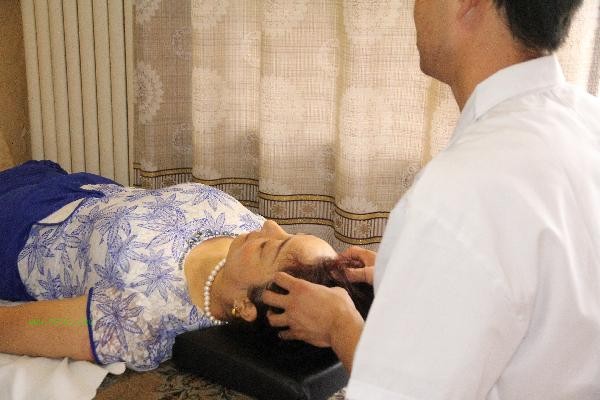
The liver's ability to regulate and release qi is closely related to emotions, and can be relieved through the use of angle regulated music in pentatonic therapy. Beat the liver meridian (inner thigh) for 3 minutes every morning, combined with Taichong acupoint massage. Insomnia and anxiety sufferers can use 10 grams of Acacia bark tea as a substitute to avoid long-term emotional suppression and liver qi stagnation.
5. acupuncture and moxibustion therapy
Select Ganshu, Zusanli, Fenglong and other acupoints to acupuncture every other day, and cooperate with moxibustion at Zhongwan to improve the movement of spleen and stomach. Apply ear acupressure to liver, spleen, endocrine and other reaction points, and replace them twice a week. Severe fatty liver can be treated with acupoint embedding therapy, but it is contraindicated for patients with coagulation dysfunction.
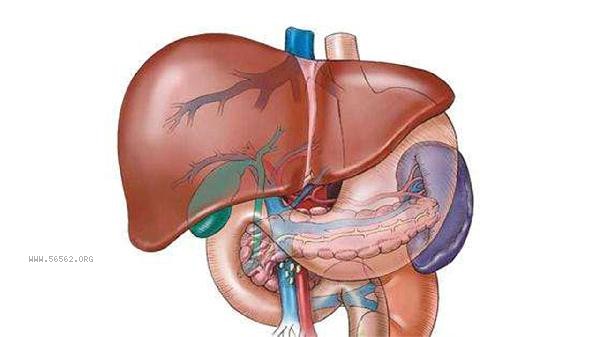
Patients with fatty liver need to establish a regular schedule and ensure that they fall asleep before 23:00 to facilitate liver blood circulation. Liver ultrasound and liver function should be rechecked every 3 months, and blood glucose should be monitored simultaneously in patients with diabetes. If nausea and fatigue worsen during traditional Chinese medicine rehabilitation, timely medical attention should be sought to avoid excessive reliance on a single therapy. It is recommended to record daily changes in diet and symptoms to provide a basis for physicians to adjust their plans. Long term adherence to comprehensive intervention can significantly improve mild fatty liver within 6-12 months.





Comments (0)
Leave a Comment
No comments yet
Be the first to share your thoughts!