
Meniscus injury can be treated by traditional Chinese medicine acupuncture and moxibustion, traditional Chinese medicine oral administration, traditional Chinese medicine external application, massage manipulation, functional exercise, etc. Meniscus injuries are often related to factors such as trauma, degenerative changes, and long-term strain, and often manifest as symptoms such as knee joint pain, swelling, and limited mobility.
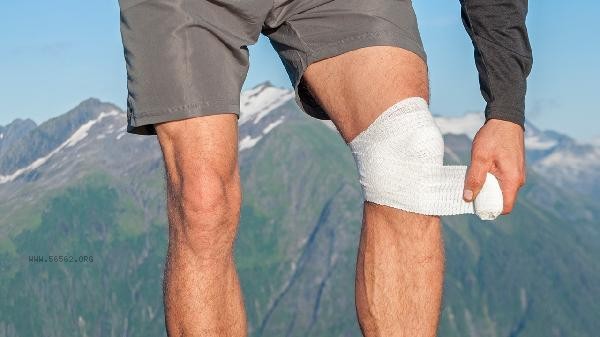
I. acupuncture and moxibustion
acupuncture and moxibustion can promote local qi and blood circulation and relieve pain and swelling by stimulating Zusanli, Yanglingquan and other acupoints. Suitable for post acute or chronic meniscus injuries, and should be operated by a professional physician. It can be combined with electroacupuncture to enhance the therapeutic effect and avoid applying needles at the site of skin damage or infection.
2. Oral administration of traditional Chinese medicine
Taohong Siwu Tang can promote blood circulation and remove blood stasis, and is suitable for traumatic injuries; Duhuo Parasitic Soup is suitable for pain caused by degenerative changes. It needs to be selected based on syndrome differentiation. For those with liver and kidney deficiency, Eucommia ulmoides and Mulberry Parasite should be added. For damp heat type, Simiao Powder should be used. During medication, avoid cold and spicy foods. Pregnant women and those with allergies should use with caution.
III. External application of traditional Chinese medicine
External application of Xiaoyu Zhitong ointment can alleviate acute swelling, while Huoxue Zhitong San Huangjiu Tiao Fu is suitable for chronic stage. Change dressing once a day, discontinue use for individuals with skin allergies. Combined with infrared irradiation, drug penetration can be enhanced, but burns should be avoided. This type of therapy is prohibited for open wounds.
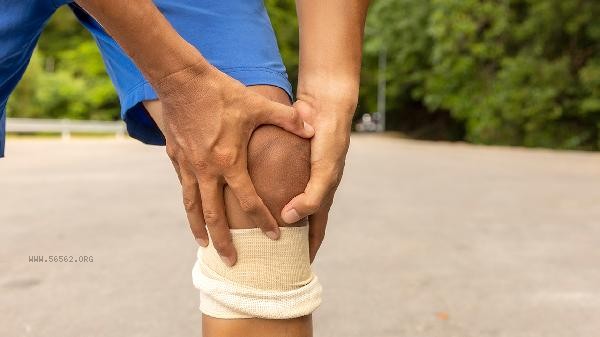
Fourth, Tuina Techniques
Use techniques such as kneading and tapping to relax the quadriceps, combined with passive knee flexion and extension activities to improve function. Heavy manual dexterity is prohibited during the acute phase and should be performed after the swelling subsides. It can be combined with cupping to promote blood circulation, but it should be used with caution in patients with osteoporosis, and the operating force should be strictly controlled.
Fifth, Functional Exercise
Actions such as raising straight legs and squatting against walls can enhance the strength of the quadriceps, while low impact exercises such as swimming can help restore joint stability. Training should be gradual and stopped immediately when the pain worsens. Can be combined with the deer play movements in the Five Animal Play to improve knee joint coordination. During the treatment period, activities that increase knee joint load, such as mountain climbing and squats, should be avoided, and weight should be controlled to reduce joint pressure. Pay attention to keeping the knee joints warm, and use knee pads to secure them during sleep. If conservative treatment is ineffective after 3 months or if there are interlocking symptoms, arthroscopic surgery should be considered. Moderate consumption of kidney tonifying and bone strengthening foods such as black beans and walnuts is recommended in daily life, while avoiding cold and raw foods. During the rehabilitation stage, it is recommended to use crutches to share the weight under professional guidance and regularly review and evaluate the recovery situation.




Comments (0)
Leave a Comment
No comments yet
Be the first to share your thoughts!