
The traditional Chinese medicine syndrome differentiation and classification of stroke mainly include two categories: the meridians and viscera. The meridians can be divided into wind phlegm and blood stasis syndrome, qi deficiency and blood stasis syndrome, yin deficiency and wind movement syndrome, etc. The viscera can be divided into closed syndrome and detached syndrome, and the closed syndrome can be further divided into yang closed syndrome and yin closed syndrome. Traditional Chinese medicine syndrome differentiation requires comprehensive judgment based on patient symptoms, tongue and pulse, and treatment should be carried out under the guidance of professional Chinese medicine practitioners.

1. Wind Phlegm and Stasis Syndrome
Wind Phlegm and Stasis Syndrome is more common in the acute stage of stroke, characterized by sudden tilting of the mouth and eyes, unclear speech, hemiplegia, dark red tongue or bruising spots, white and greasy coating, and smooth pulse. This syndrome is related to factors such as invasion of wind pathogens, obstruction of phlegm turbidity, and blood stasis. The treatment mainly focuses on dispelling weathered phlegm, promoting blood circulation, and unblocking collaterals. Banxia Baizhu Tianma Tang and Taohong Siwu Tang can be used with modifications. Commonly used traditional Chinese medicines include Pinellia ternata, Gastrodia elata, Peach Kernel, Red Flower, etc. Patients need to avoid fatty and sweet flavors and maintain emotional stability.
2. Qi deficiency and blood stasis syndrome
Qi deficiency and blood stasis syndrome is commonly seen in the recovery period of stroke, with symptoms such as limb hemiplegia and weakness, speech stiffness, shortness of breath and weakness, pale purple tongue or petechiae, thin white coating, and fine and astringent pulse. It is often caused by insufficient positive energy and poor circulation of qi and blood. The treatment is suitable for nourishing qi and promoting blood circulation, removing blood stasis and unblocking collaterals. The representative formula is Buyang Huanwu Tang. Common medicines include Huangqi, Danggui Wei, Chishao, Dilong, etc. During the rehabilitation period, it can be treated with acupuncture and moxibustion. It is advisable to choose yam, red jujube and other qi tonifying ingredients for diet.
3. Yin deficiency and wind movement syndrome
Yin deficiency and wind movement syndrome are more common in patients with simple Yin deficiency, manifested as dizziness, tinnitus, hand and foot peristalsis, strong tongue, red tongue with little coating, and fine and numerous pulse strings. Related to liver and kidney yin deficiency, deficiency of wind and internal movement. Treatment requires nourishing yin and dispelling wind. The recommended prescription is Zhengan Xifeng Tang or Tianma Gouteng Drink. Commonly used traditional Chinese medicines include Paeonia lactiflora, Asparagus japonicus, Gouteng, and Cassia chinensis. Patients should avoid staying up late and consuming spicy and stimulating foods. They can consume yin nourishing products such as black sesame seeds and goji berries in moderation.

4. Yang closure syndrome
Yang closure syndrome belongs to the category of central organ closure syndrome, manifested as sudden fainting, hot face, restlessness, phlegm in the throat, red tongue with yellow and greasy coating, and smooth pulse. Mostly caused by liver yang hyperactivity and phlegm fire closing the orifices. In case of urgency, the symptoms need to be treated with Xin Liang to open the orifice. An Gong Niu Huang Wan or Zhi Bao Dan nasal feeding can be used, combined with modified Ling Jiao Gou Teng Tang. Common medicines include antelope horn powder, hooked vine, chrysanthemum, etc. This certificate is in critical condition and requires immediate medical attention to avoid moving the patient's head.
5. Yin closure syndrome
Yin closure syndrome also belongs to the category of central organ closure syndrome. Symptoms include lying still without disturbance, white face and dark lips, excessive phlegm and saliva, pale and greasy tongue coating, and deep and smooth pulse. It is mostly caused by phlegm dampness obstructing the clear orifice. Treatment requires warming and opening the orifices, resolving phlegm and dispelling wind. Urgently use Suhexiang Pills, combined with modified Ditan Decoction. Common medicines include Pinellia ternata, Chenpi, Acorus tatarinowii, etc. Nursing should keep the respiratory tract unobstructed, elevate the head by 15-30 degrees, and have a light and liquid diet.
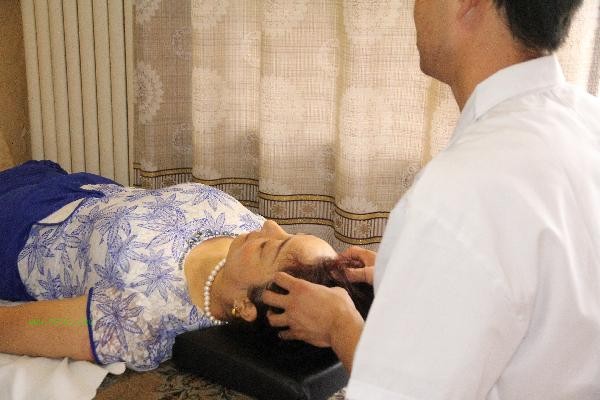
Stroke patients should receive individualized treatment based on their specific syndrome type. During the acute phase, they should rest in bed to avoid emotional excitement. During the recovery period, rehabilitation training can be carried out step by step, such as acupuncture and moxibustion, massage, limb function exercise, etc. The diet should be light and easy to digest, limiting sodium intake, and eating more fresh vegetables and fruits. Regularly monitor blood pressure, blood sugar and other indicators, follow medical advice to use medication in a standardized manner, and avoid adjusting medication dosage on your own. If symptoms such as worsening headache and blurred consciousness occur, seek medical attention immediately.





Comments (0)
Leave a Comment
No comments yet
Be the first to share your thoughts!