
Shoulder periarthritis is mainly divided into four types of syndrome differentiation in traditional Chinese medicine: wind cold dampness obstruction type, qi and blood stasis type, liver and kidney deficiency type, and phlegm dampness obstruction type. Shoulder periarthritis, also known as shoulder coagulation, is believed to be related to factors such as invasion of wind cold dampness, poor circulation of qi and blood, insufficient liver and kidney function, and phlegm dampness resistance in traditional Chinese medicine. Corresponding treatment methods should be adopted according to specific syndrome types.
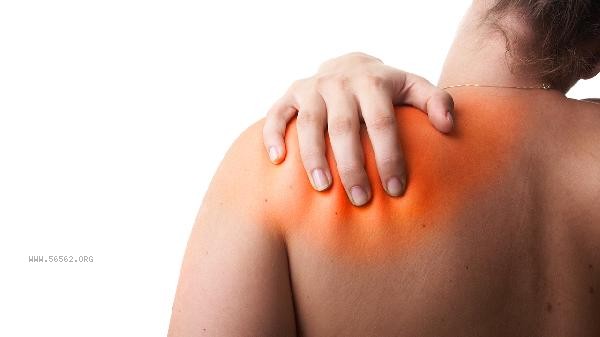
1. Wind cold and dampness type
Wind cold and dampness type shoulder periarthritis is mainly characterized by heavy shoulder pain, aggravated by cold, reduced pain due to warming, and may be accompanied by limited joint movement. This type of syndrome is often caused by long-term residence in a humid environment or exposure to cold on the shoulders, leading to invasion of wind cold dampness into the meridians. The treatment mainly focuses on dispelling wind, dispelling cold, and removing dampness. Commonly used formulas include modified Guizhi Fuzi Tang, which can be combined with moxibustion at acupoints such as the shoulder ridge and shoulder ridge. Daily attention should be paid to keeping shoulders warm and avoiding exposure to rain and cold.
2. Qi and blood stasis type
Qi and blood stasis type is commonly seen after trauma or long-term strain, manifested as fixed shoulder pain, worsening at night, and possible local bruising. The tongue is purple dark or has bruising. This type is often caused by qi stagnation, blood stasis, and blocked meridians. The treatment needs to activate blood circulation to remove blood stasis, dredge collaterals and relieve pain. The addition and subtraction of Shentong Zhuyu Decoction can be used in combination with acupuncture and moxibustion at Ashi point and massage to relieve adhesion. During the acute phase, shoulder weight-bearing activities should be reduced.
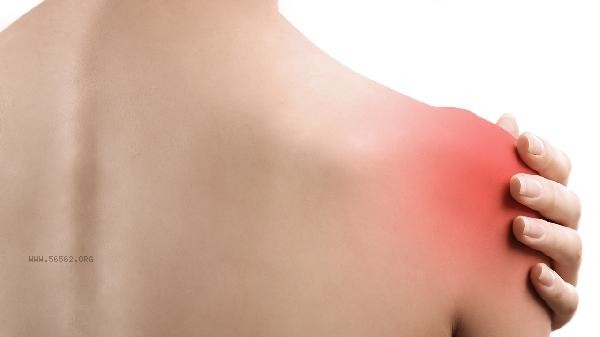
3. Liver and kidney deficiency type
Liver and kidney deficiency type is more common in middle-aged and elderly people, manifested as dull shoulder pain, soreness and weakness, aggravated during activity, and may be accompanied by systemic symptoms such as soreness and weakness of the waist and knees, dizziness and tinnitus. This type is caused by insufficient liver and kidney essence and blood, as well as loss of muscle and bone nourishment. Treatment should nourish the liver and kidneys, strengthen muscles and bones, and commonly use Duhuo Parasitic Decoction or Zuo Gui Wan with modifications. It can be combined with moxibustion at acupoints such as Shen Shu and Gan Shu. Moderate practice of health preserving techniques such as Ba Duan Jin can be done in daily life.
4. Phlegm dampness obstruction type
Patients with shoulder periarthritis of phlegm dampness obstruction type are more likely to have obesity, heavy and numb shoulders, limited mobility, and may be accompanied by chest tightness and excessive phlegm. The tongue coating is white and greasy. This type is caused by spleen dysfunction and obstruction of meridians due to endogenous phlegm dampness. The treatment requires resolving phlegm, removing dampness, unblocking collaterals, and relieving pain. The prescription can be modified by combining Erchen Tang with Taohong Siwu Tang, and can be combined with cupping therapy. Diet should avoid fatty, sweet, and rich flavors, and appropriately increase the intake of foods that invigorate the spleen and promote diuresis, such as coix seed and adzuki beans. Patients with shoulder periarthritis, regardless of their TCM syndrome type, should pay attention to avoiding excessive shoulder fatigue and maintaining a fixed posture for a long time. rehabilitation exercises such as pendulum movements and wall climbing exercises can be performed, but they need to be done gradually. Diet should be light and nutritious. For those with wind cold dampness syndrome, moderate consumption of spicy, warm and cold dispersing products such as ginger and scallion can be recommended. For those with qi and blood stasis syndrome, rose tea can be consumed to assist in promoting qi circulation and blood circulation. If the symptoms continue to be unrelieved or worsened, you should go to the Chinese Medicine Department or the Rehabilitation Department in a timely manner, and under the guidance of a doctor, you should comprehensively use Chinese medicine, acupuncture and moxibustion, massage and other treatments. Those who experience significant pain at night can adjust their sleeping position to avoid pressure on the affected side.






Comments (0)
Leave a Comment
No comments yet
Be the first to share your thoughts!