
Traditional Chinese medicine can treat the sequelae of cerebral hemorrhage by acupuncture and moxibustion, Chinese medicine, massage, Qigong and dietotherapy. It is suggested to conduct comprehensive conditioning under the guidance of professional Chinese medicine practitioners.
1. acupuncture and moxibustion Treatment
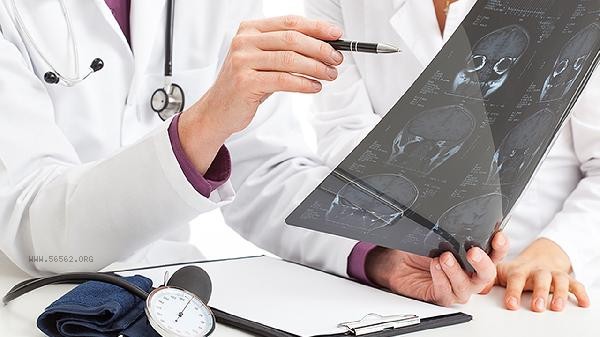
acupuncture and moxibustion improves brain blood circulation by stimulating specific points, and Baihui and Fengchi are commonly used to promote the recovery of nerve function. Clinical observation shows that acupuncture and moxibustion can relieve symptoms such as limb numbness and language disorder, which requires 2-3 consecutive courses of treatment. Avoid administering injections during skin infections or high fever, and use with caution in patients with dizziness.
2. Traditional Chinese Medicine Treatment
Tonifying Yang and Returning Five Decoction can reduce Qi and promote blood circulation, and Angong Niuhuang Pill is suitable for phlegm heat internal closure syndrome. Traditional Chinese medicine should be used based on syndrome differentiation. For those with liver yang hyperactivity, Tianma Gouteng Yin can be used, while those with kidney essence deficiency should take Dihuang Yin Zi. Be careful not to take it with Western anticoagulant. Soak the medicine for 30 minutes before decoction.
3. Massage Rehabilitation
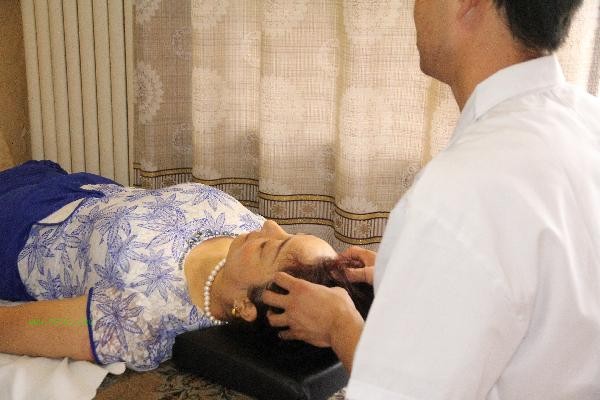
Meridian massage combined with joint mobilization surgery can improve muscle tone abnormalities, with a focus on operating the Du meridian and paralyzed limbs. The technique should be gentle once a day, and heavy techniques should not be used during spasms. Combining acupressure points can enhance sensory input, and during the recovery period, family members can be taught basic techniques.
4. Qigong Training
Soft techniques such as Ba Duan Jin and Wu Qin Xi can regulate the circulation of qi and blood, while standing exercises can enhance balance ability. The training duration gradually increases from 10 minutes, and breathing needs to be naturally prolonged. It can start after the acute phase and pause immediately when feeling dizzy.
5. Dietary adjustment
It is recommended to consume black fungus and Danshen soup to improve microcirculation, and Tianqi stewed chicken can help remove blood stasis. Diet should be low in salt and fat, and consume more deep-sea fish and dark vegetables. People with damp and hot constitution should avoid eating fatty, sweet and rich foods. Hawthorn and cassia seed tea can be consumed daily to assist in lowering blood pressure. Patients with sequelae of cerebral hemorrhage need to maintain a regular daily routine, avoid emotional excitement and excessive fatigue. rehabilitation training should be gradual and coordinated with language function exercises and cognitive stimulation. Regularly monitor blood pressure and blood sugar, and pay attention to keeping warm and preventing falls in winter. It is recommended to have a head CT scan every 3 months, and adjust the prescription of traditional Chinese medicine according to changes in physical constitution. Maintain patience and persist in treatment, and most patients show significant improvement within 6-12 months.





Comments (0)
Leave a Comment
No comments yet
Be the first to share your thoughts!