
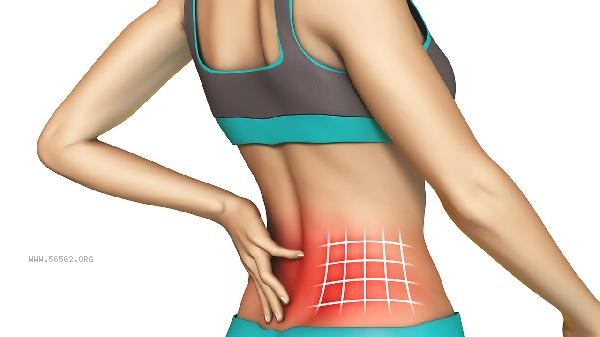
Lumbar disc herniation can be treated by acupuncture and moxibustion, massage, oral Chinese medicine, external application of Chinese medicine, traction and other methods. Lumbar disc herniation is usually related to long-term strain, trauma, degenerative changes, invasion of cold and dampness, liver and kidney deficiency, and other factors, mainly manifested as symptoms such as lower back pain, lower limb radiating pain, and limited mobility.

1. acupuncture and moxibustion
acupuncture and moxibustion dredges the meridians by stimulating specific points. Common points include Shenshu, Dalianshu, Huantiao and Weizhong. For cold dampness type lumbar disc herniation, moxibustion can be used to warm the meridians and dispel cold, while for qi stagnation and blood stasis type, electroacupuncture can be used to enhance stimulation. It should be operated by a professional traditional Chinese medicine practitioner to avoid self needling and causing nerve damage.
2. Tuina
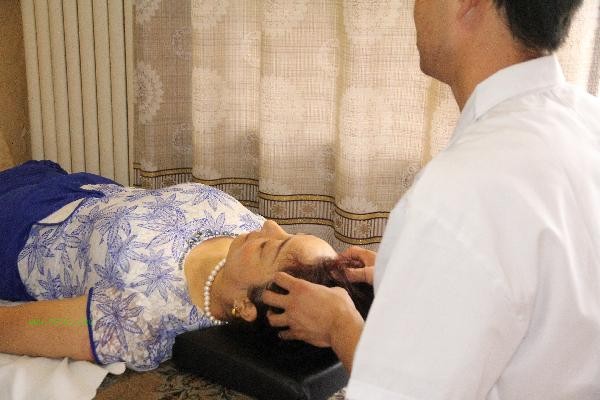
Traditional Chinese massage uses techniques such as rolling, pressing, and pulling to relieve muscle spasms and adjust small joint misalignment. In the acute phase, gentle muscle management techniques should be used, while in the chronic phase, oblique manipulation can be used for reduction. Before massage, contraindications such as spinal stenosis need to be ruled out through imaging examination. Violent manipulation may worsen nucleus pulposus protrusion.
3. Traditional Chinese Medicine Oral Administration
For liver and kidney deficiency type, Duhuo Parasitic Decoction can be selected with modifications, containing ingredients such as Duhuo, Mulberry Parasitic, Eucommia ulmoides, etc; Qi stagnation and blood stasis type commonly use body pain and blood stasis removing soup, which contains Angelica sinensis, Chuanxiong, peach kernels, etc. Traditional Chinese patent medicines and simple preparations such as Yaotongning Capsule, Gentongping Granules, Biqi Capsule, etc. need to be used based on syndrome differentiation. Pregnant women and those with allergies should be cautious.

4. External application of traditional Chinese medicine
A paste made from Chinese herbal medicine that promotes blood circulation and removes blood stasis is applied to the painful area. Commonly used drugs include pain relieving patches made from ingredients such as Radix Aconitum, safflower, frankincense, etc., and bone promoting patches. Do not use on areas with skin damage. The external application time should not exceed 8 hours. If there is skin itching, stop using immediately.
5. Pelvic traction can reduce intervertebral disc pressure, and the traction weight (usually 1/3-1/2 of body weight) and angle need to be adjusted under the guidance of a doctor. Patients with severe osteoporosis and vertebral slippage are contraindicated. After traction, they need to rest in bed for 1-2 hours and cooperate with lower back muscle function exercises for better results. During traditional Chinese medicine treatment, it is advisable to avoid prolonged sitting and standing, choose a hard bed for sleep, and pay attention to keeping the waist warm. When the acute pain is severe, waist circumference can be worn for a short period of time, but not more than 4 hours per day to prevent muscle atrophy. It is recommended to use the five point support method, the flying swallow style isosceles dorsalis muscle exercise, and low impact exercises such as swimming to aid in recovery. If lower limb numbness worsens or urinary and fecal dysfunction occurs, immediate medical evaluation is needed to determine whether surgical intervention is necessary.





Comments (0)
Leave a Comment
No comments yet
Be the first to share your thoughts!