
Traditional Chinese medicine can be used as an adjuvant treatment for pancreatitis, but it needs to be combined with Western medicine treatment under the guidance of professional physicians. The treatment of pancreatitis mainly includes controlling inflammation, relieving symptoms, and preventing complications. Traditional Chinese medicine can assist in improving the condition by regulating qi and blood, clearing heat and detoxifying, and promoting blood circulation and removing blood stasis.
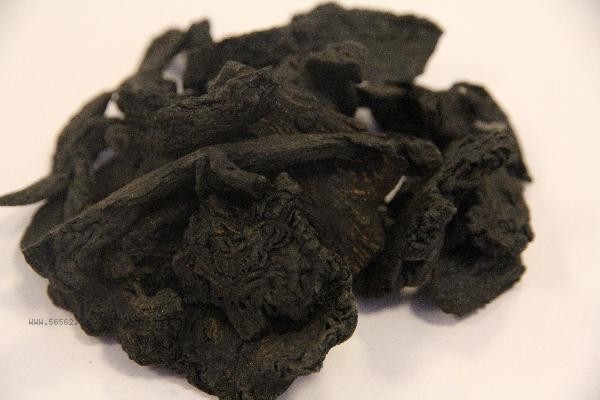
1. Traditional Chinese Medicine decoctions
Traditional Chinese medicine decoctions are commonly used in the treatment of pancreatitis, such as Dachaihu Tang, Qingyi Tang, etc. Da Chai Hu Tang has the effects of soothing the liver, promoting bile flow, clearing heat and detoxifying, and is suitable for liver gallbladder damp heat pancreatitis. Qingyi Tang can clear heat and dampness, promote blood circulation and remove blood stasis, and is commonly used as an adjuvant therapy for acute pancreatitis. Traditional Chinese medicine decoctions should be treated by Chinese medicine practitioners based on the patient's constitution and condition, and should not be taken by oneself.
II. traditional Chinese patent medicines and simple preparations
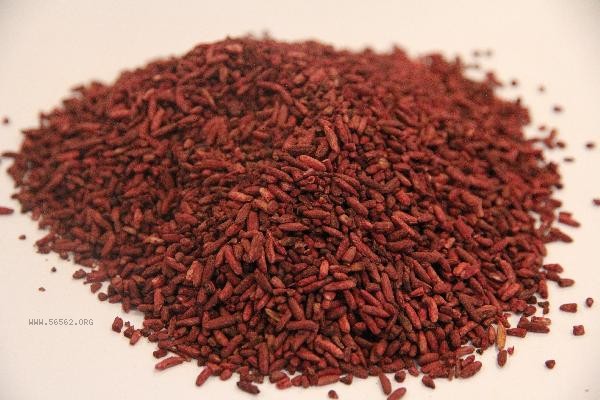
traditional Chinese patent medicines and simple preparations for the treatment of pancreatitis includes anti-inflammatory cholagogue tablets, Yidanshu capsules, etc. Xiaoyan Lidan tablets have the effects of clearing heat and dampness, reducing inflammation and pain, and can be used as an adjuvant therapy for chronic pancreatitis. Yandanshu capsules can soothe the liver, promote bile flow, activate blood circulation, and remove blood stasis. They are suitable for symptoms such as abdominal pain and bloating caused by pancreatitis. The use of traditional Chinese patent medicines and simple preparations should strictly follow the doctor's advice and avoid interaction with other drugs.
III. acupuncture and moxibustion therapy
acupuncture and moxibustion can regulate pancreatic function by stimulating specific points, and commonly used points include Zusanli, Zhongwan, Yanglingquan, etc. The Zusanli acupoint can invigorate the spleen and stomach, regulate qi and blood, the Zhongwan acupoint can harmonize with the middle and lower qi, regulate qi and relieve pain, and the Yanglingquan acupoint has the effect of soothing the liver and promoting bile flow. Acupuncture and moxibustion treatment should be performed by professional acupuncture and moxibustion, and should not be performed during the attack of acute pancreatitis.
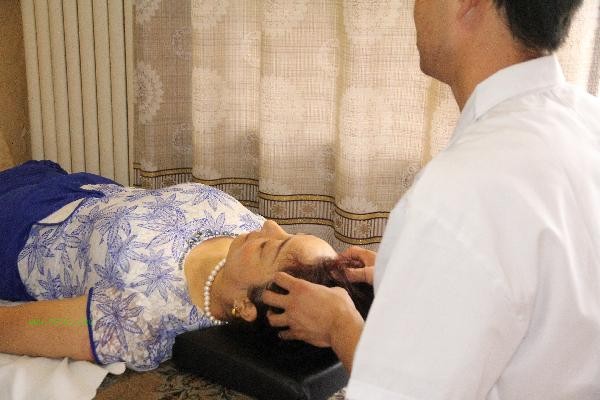
4. Tuina Massage
Tuina massage can promote pancreatic blood circulation through manual stimulation, and commonly used techniques include abdominal massage, acupressure, etc. Rubbing the abdomen can promote gastrointestinal peristalsis and alleviate abdominal distension caused by pancreatitis. The acupressure method can stimulate pancreatic related acupoints and improve local blood circulation. Massage should be performed after the condition has stabilized, and abdominal pressure should be avoided during the acute phase.
Fifth, Dietary Regulation
Traditional Chinese medicine emphasizes the same origin of medicine and food. Patients with pancreatitis can consume spleen strengthening ingredients such as yam, coix seed, and lotus seeds in moderation. Yam can nourish the spleen and lungs, Job's tears can promote water infiltration, and lotus seeds have the effect of strengthening the spleen and stopping diarrhea. The diet should be light and easy to digest, avoiding greasy, spicy and stimulating foods. During the acute phase, it is necessary to follow medical advice and fast. When patients with pancreatitis are treated with traditional Chinese medicine, they must cooperate with standardized Western medicine treatment and regularly check blood amylase, imaging and other indicators. In daily life, it is necessary to strictly quit drinking, avoid overeating, and maintain a regular schedule. If symptoms such as persistent abdominal pain and fever occur, seek medical attention promptly and do not rely solely on traditional Chinese medicine treatment to delay the condition. Traditional Chinese medicine regulation requires long-term persistence, and patients should maintain a good mentality and actively cooperate with treatment.





Comments (0)
Leave a Comment
No comments yet
Be the first to share your thoughts!