
Gout can be classified into three types based on traditional Chinese medicine: damp heat accumulation, phlegm and blood stasis obstruction, spleen and kidney yang deficiency, liver and kidney yin deficiency, etc. Treatment should be based on individual constitution and symptom characteristics. Traditional Chinese medicine mainly treats gout by clearing heat and dampness, resolving phlegm and blood stasis, warming and tonifying the spleen and kidneys, nourishing the liver and kidneys, and other methods. Commonly used formulas include Simiao Wan, Taohong Siwu Tang, Fuzi Lizhong Wan, Liuwei Dihuang Wan, etc.
1. Damp heat accumulation
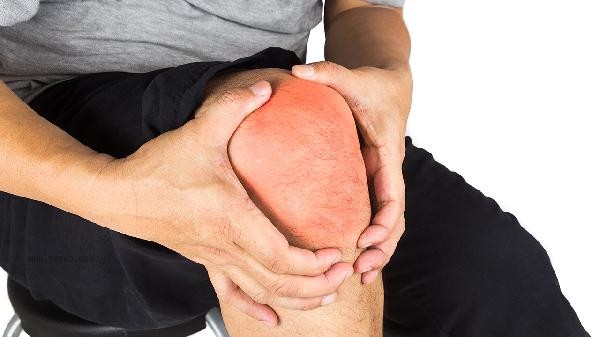
Damp heat accumulation type gout is characterized by joint redness, swelling, hot pain, local burning, and yellow and greasy tongue coating, often caused by a rich and sweet diet or external dampness and heat. The treatment mainly focuses on clearing heat and dampness, and can use modified Simiao Pills containing ingredients such as Atractylodes macrocephala, Phellodendron amurense, and Achyranthes bidentata. During acute attacks, external application of Jinhuang powder can be used to alleviate redness and swelling. Daily consumption of alcohol and high purine foods should be avoided.
2. Phlegm stasis block
Phlegm stasis block type is commonly characterized by joint deformities, stabbing pain fixation, subcutaneous nodules, and purple tongue with bruising spots. Due to the prolonged course of the disease, phlegm and blood stasis often accumulate. Therefore, the prescription is Taohong Siwu Tang combined with Erchen Tang, which contains ingredients such as Angelica sinensis, safflower, and Pinellia ternata. It can be used in combination with acupuncture and moxibustion to select Fenglong and Xuehai points to activate blood circulation and remove blood stasis. During the intermission period, moderate exercise is recommended to promote the movement of qi and blood.
3. Spleen and kidney yang deficiency
Patients with spleen and kidney yang deficiency often experience joint cold pain, worsening when exposed to cold, cold limbs, and accompanied by soreness and weakness in the waist and knees. The etiology is often due to long-term illness that damages yang or deficiency of yang in the body. The formula is Fuzi Lizhong Wan alloy Kui Shen Qi Wan, which contains Fuzi, cinnamon, yam, etc. Moxibustion with Guan Yuan and Zu San Li can warm and nourish the spleen and kidneys. It is recommended to add ginger and lamb as isothermal ingredients to the diet.
4. Liver and kidney yin deficiency
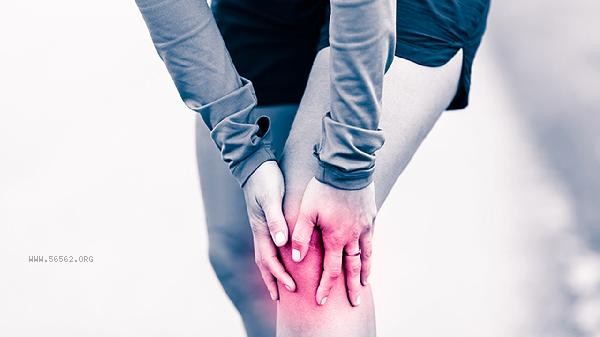
The liver and kidney yin deficiency type is characterized by joint dull pain, dizziness, tinnitus, restlessness and heat in the five hearts, and red tongue with little coating. It is often caused by long-term dampness and heat consumption that damages Yin fluid. The treatment is recommended to use Liuwei Dihuang Wan combined with Yiguan decoction, which contains Rehmannia glutinosa, Goji berries, Sichuan toon berries, etc. It can be combined with ear acupressure to regulate the liver and kidneys, avoiding staying up late and consuming spicy and hot foods.
5. External treatment therapy
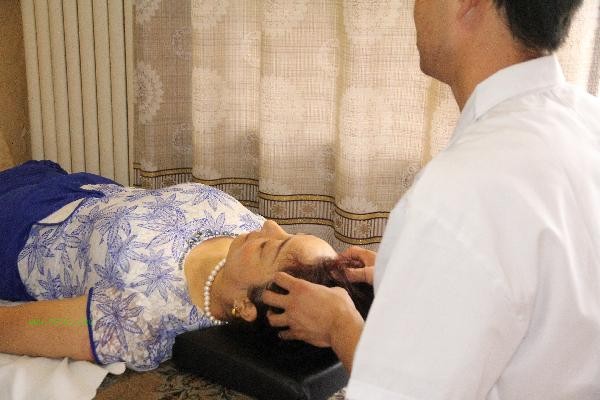
Traditional Chinese medicine external treatment includes traditional Chinese medicine fumigation and washing, blood letting through collaterals, and thunder fire moxibustion. During the acute phase, the affected area can be fumigated and washed with decoction of honeysuckle vine and luoshi vine; During the chronic phase, moxibustion is used to warm and unblock the meridians at the Ashi acupoint. Acupuncture and moxibustion points are mainly Zusanli and Sanyinjiao, and local peripheral needling can regulate uric acid metabolism. Gout patients should adhere to a low purine diet for a long time, limit the intake of high purine foods such as animal organs and seafood, and drink at least 2000 milliliters of water per day. Moderately engage in soothing exercises such as Eight Section Brocade and Tai Chi to avoid joint coldness and excessive fatigue. Regularly monitoring blood uric acid levels, seeking medical attention promptly during acute attacks, and combining traditional Chinese and Western medicine treatment can better control the progression of the disease.





Comments (0)
Leave a Comment
No comments yet
Be the first to share your thoughts!